How a cold-room rehearsal joke became Saving Abel
Some names arrive fully formed, scrawled on the back of a set list at two in the morning. Ours didn't. Saving Abel started as a half joke between friends in a rehearsal room in Sheffield, and then it stuck — the kind of name you have to explain at a bar, at a festival wristband desk, and once or twice at a school assembly.
People ask for the real story behind our band name the way you'd ask about an old scar: what happened, why it stayed, whether it still hurts. The short version is biblical. The long version involves pub food, a borrowed amp, and a mate who'd just finished reading the Bible cover to cover. Here's how we ended up here.
Where the name came from
We started as a covers band in a room we could barely heat, above a shop that shut before our rehearsals were over. Sheffield has given the world a stubborn kind of music, and we were part of that tradition: loud guitars, close harmonies, and songs that need a crowd to make sense of them.
The name came out of a reading session. We'd been working through the first chapters of Genesis, and the story of Cain and Abel sat heavy in the room. Two brothers, one enormous mistake, and a name on the wrong side of history — Abel was the one who never lived to enjoy what he'd planted.
"Saving" came next. None of us could shake the idea of rescue: catching someone before they go under, giving them a second run at something they'd already lost. Once we heard it spoken aloud, it sounded like a band name instead of a bad joke.
Why we kept a name that sounds so heavy
Plenty of alternatives were floated before that, most of them dreadful. The serious point is that Abel is the innocent one in that story — the one who was taken early, and never got to see his work mature. Naming ourselves after him felt like a promise about what our songs are actually for.
They tend to be about people having a bad time and finding their way out: the long drive home, the apology you can't quite say out loud, the second chance that arrives when you least expect it. A word like "saving" hands you a verb to build a whole set around. "Abel" hands you the stakes.
The four people behind the name
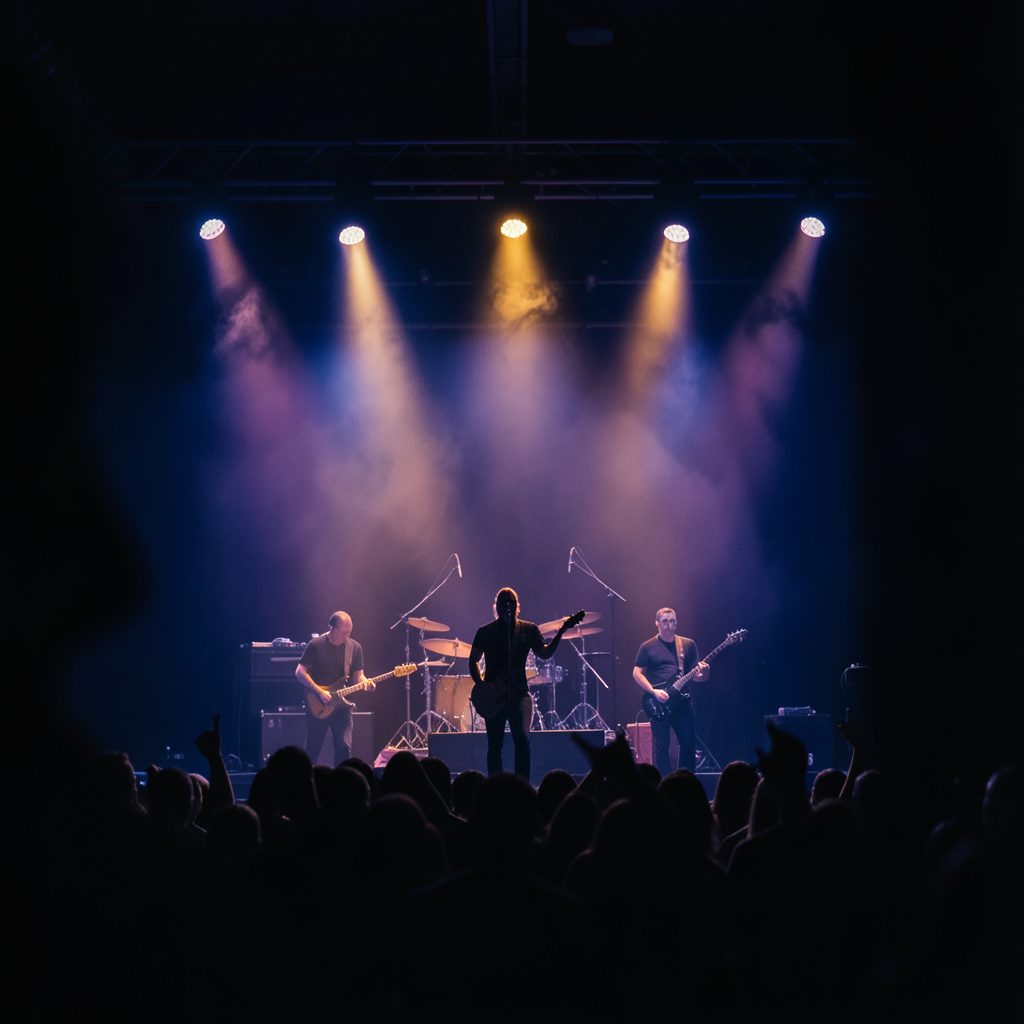
Saving Abel today is four of us: Cole Franklin on vocals and guitar, Karl Bailey on bass, Ian Taylor on drums, and Joe O'Gorman on guitar. Different temperaments, same instinct — we'd rather play a room of two hundred people who sing every word back than a festival field where nobody knows a lyric.
The name has aged better than we expected. People remember it, they repeat it, and half the time they get it right. The merchandise side keeps moving too: we work with the team at Coda on our campaigns and store, so if you want the name across your chest, the official shop is where it lives.
Hearing it in Australian rooms
We've played the other side of the world enough times now to know how the name lands there. Sydney, Melbourne, Brisbane, sometimes a smaller town in between — rooms like the Corner in Melbourne or the Tivoli in Brisbane, where the crowd is close enough to watch the guitar straps move.
Australian touring has its own rhythm. Doors at eight, because half the state is still parked in front of a footy match. Nobody complains when a support slot starts before dinner. And the drive between shows — two hours on a straight highway with the windows down — does more for songwriting than any studio we've been in.
The live music market here is extraordinary. Pub rooms in regional towns sell out on a Friday, and there's a real appetite for bands with some grit, which suits us. A national levy on tickets now funds grassroots live music, and liquor licensing changes in South Australia let venues with live music trade into the small hours. Both say the same thing: this country takes the small room seriously.
How our fans wear the name
You see it in more places than you'd expect. A teenager's hoodie in a Geelong crowd, a lanyard at a festival in Perth, a dad in the front row who introduces us as "my band" before we've managed a word. The name has become less of a question and more of a badge.
Radio still does its bit as well. Australian stations have to run an alcohol-clean version of any track that needs it, so you might catch a re-record of one of our songs on triple j with the swearing edited out — a slightly polite version of the same three minutes.
Which brings us to the small things, the ones that rarely make the interviews but usually made the band.
The smaller details that shaped it
Most people assume the name arrived in a flash of inspiration. Honestly, it arrived in fragments, and the fragments stayed because they fit together better than anything else we tried.
What the name actually says:
- Rescue rather than revenge — we wrote about saving people long before we wrote about failing to.
- A second go at things, which is the whole business of a rock band.
- Vulnerability, dressed up with a loud guitar.
- Sheffield stubbornness, borrowed from the weather and the workload.
How it shows up on the road:
- A rehearsal room that could barely heat up, above a shop that closed early.
- A mate with a theology degree and far too many strong opinions.
- A name scribbled on a set list and never crossed out.
- The current four, still arguing about the running order.
If this is your first time hearing us, start with the records, then come and see us play — the songs explain the name better than any interview can. Check the tour dates for a room near you, pull a tee from the official store, and join the people already carrying the name around. We'll see you down under.