Recording Beyond the Studio
Recording in a rehearsal room, bedroom or venue can give a band a raw immediacy that a polished studio can hide. The challenges of recording in a non-studio space begin with noise, changing acoustics and limited monitoring, yet those same limitations can sharpen a performance. For Saving Abel, this is a practical route from a live idea to a track ready for fans to hear.
Saving Abel’s official website introduces the current members and music while gathering news, tour dates and event photos, with links to social channels and merchandise. Those touchpoints make the recording process visible: audiences can follow a song from rehearsal-room experiment to released recording, while the members decide how far each sound should travel.
Reasons to record outside a studio
A non-studio session often has a simple purpose: capture a convincing drum take, record vocals with the energy of the room, or collect a demo before committing to full production. Doing a focused job can be faster than booking a comprehensive studio session and gives the band material to evaluate while the idea is fresh.
The creative advantage is proximity. A guitarist can try an arrangement at Thursday rehearsal, a producer can add a part on Saturday, and the performance can retain the movement of the actual band. The trade-off is that every technical choice becomes part of the arrangement rather than an invisible layer added later.
Acoustic problems in everyday rooms
Everyday spaces bring predictable trouble. Melbourne terraces and inner-city rooms can catch trams, traffic and late-night aircraft, while Sydney rooms may face aircraft paths, building ventilation or neighbours. Open windows help with ventilation but admit road noise, and air-conditioning units can create low-frequency rumble.
Control begins with a listening test before anyone presses record. Switch off cooling, test the power circuit, place microphones away from air vents and note sounds that repeat on several takes. Australia’s 230-volt, 50-hertz supply should be checked for stable power, with any hum investigated at its source. Heavy curtains, rugs and movable screens can help, although they cannot replace professional isolation.
Capturing live energy without losing control
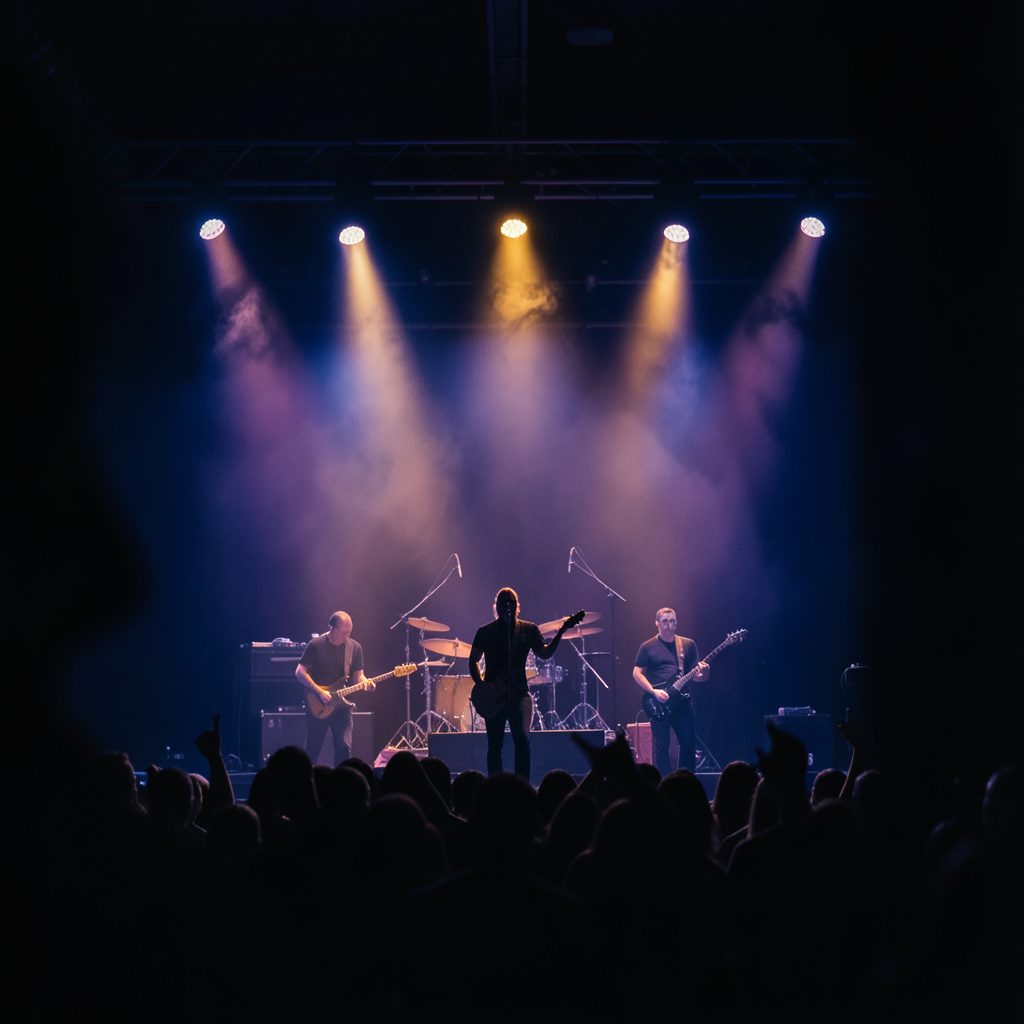
A live room rewards placement and restraint. Too many microphones turn every instrument into a loud source in the other tracks; too few lose the audience response that makes a club recording feel alive. Small-diaphragm condensers can capture detailed cymbals and vocals, while dynamic microphones often handle louder stages without adding excessive room sound.
A useful compromise is to record the drums and front line together, then add or replace individual parts. Headphones or low-level monitors help performers hear themselves without exposing the microphones to more spill. The engineer should watch levels during rehearsal, save clean room sound for later use, and keep backup files on two drives before the venue is cleared.
Planning around Australian recording realities
Planning around local conditions can prevent a good session from collapsing. Licensed Australian pubs often have curfews, noise limits and load-in deadlines, while travel between rehearsal rooms and venues can consume an entire session day. Build those constraints into the call sheet, confirm access times with the venue manager, and leave enough room for equipment setup and a final playback.
Use Australian-dollar budgets for studio time, engineer fees, gear hire, transport and session players. Borrowing equipment, arranging trades and hiring local musicians can reduce costs in the Australian market, while a drummer or percussionist familiar with the venue may deliver more confidently than a visiting player. For artists who want structure before booking time, hands-on recording guidance can support budgeting, rehearsal and backup planning.
Comparing the main recording options
The right choice depends on the sound being sought and the amount of control available. A rough demo needs very little, a finished single benefits from repeatable monitoring, and a live EP needs the audience in the recording. Comparing the options prevents a polished production target from turning into an expensive compromise.
| Recording option | Main strength | Main challenge | Best suited to |
|---|---|---|---|
| Professional studio | Controlled acoustics and monitoring | Highest hourly cost | Final mixes and overdubs |
| Rehearsal room | Fast and affordable captures | Uneven sound and microphone bleed | Demos and band arrangements |
| Home setup | Flexible, familiar workflow | Limited room treatment and player availability | Songwriting, vocals and editing |
| Live venue | Genuine audience energy | Curfews, background noise and limited takes | Live recordings and EP material |
Choose one Saving Abel track for a non-studio experiment, set a budget in Australian dollars, and assign someone to protect every backup. Visit the official website for news about upcoming recordings, social clips, tour dates, event photos and merchandise, then listen for the take that feels unmistakably live.