How We Use Stage Plots to Communicate with Venues
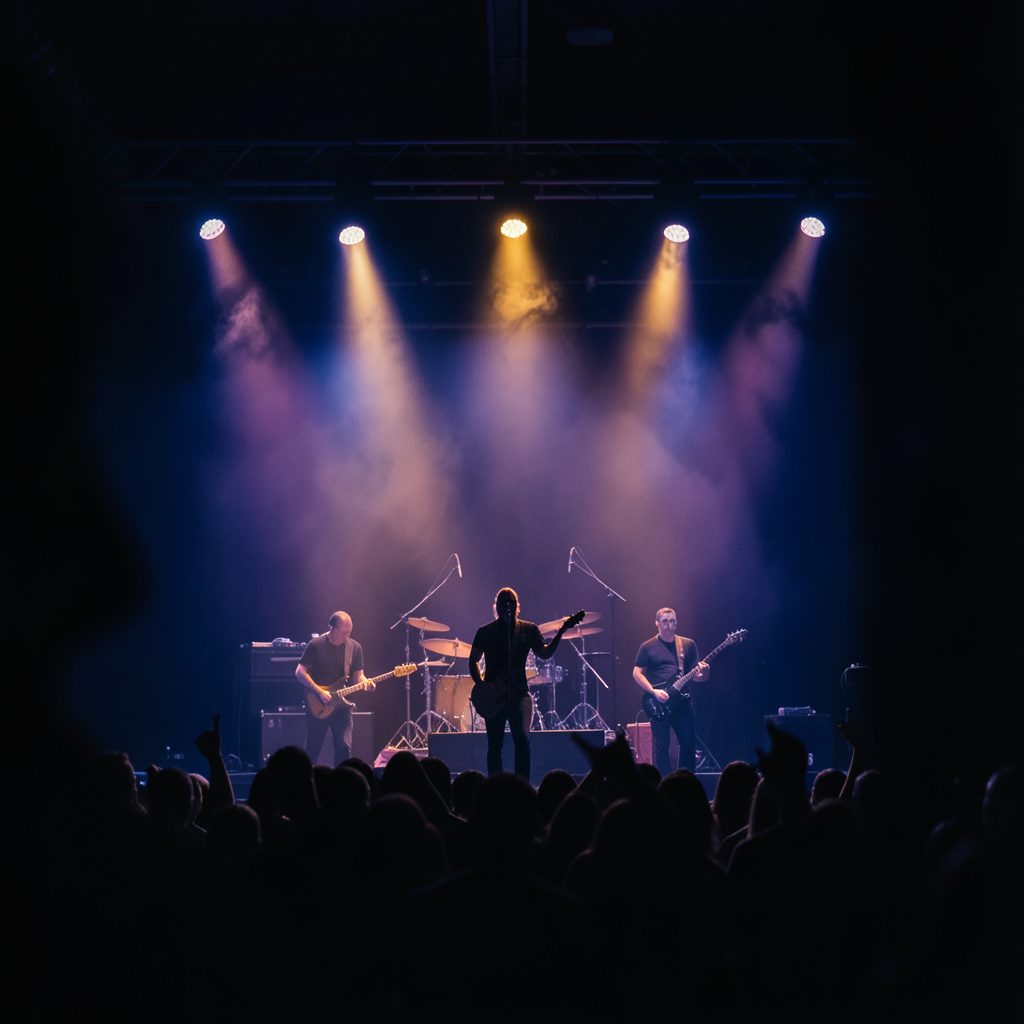
A live show starts well before the first note. For a touring rock band, clear communication with a venue’s production team helps turn a shared plan into a smooth, powerful performance. A stage plot gives everyone the same picture of what needs to happen onstage.
The document shows where musicians, microphones, monitors, amplifiers and key equipment belong. It also records practical details that affect the advance, including input channels, power requirements, riser positions and the space needed for a safe setup.
This matters when a band moves between very different rooms. A theatre in Melbourne, a club in Brisbane and an outdoor event in Adelaide may all have different stage dimensions, access points and house systems. A readable plot helps adapt the show without losing its identity.
Fans can follow the band’s music, touring activity and latest projects through the official band site, while venues receive the production information needed to prepare for a strong night onstage.
Building A Clear Stage Picture
We begin with a simple overhead view of the stage. Each member is placed in the position they normally use, with labels for vocals, guitars, bass, drums, keyboards and other instruments. Stage left and stage right are marked from the performer’s viewpoint to avoid confusion during a busy load-in.
The plot also shows the location of monitor wedges, guitar cabinets, drum hardware and any risers. Measurements are useful when a venue has a compact platform, while notes about minimum depth and width help the crew identify potential problems before the truck arrives.
Matching The Input List
A stage plot works best alongside an input list. The plot explains where equipment sits; the input list tells the audio team what each microphone or direct input carries, from kick drum and snare to lead vocal and guitar channels.
Consistent names make patching faster. A venue engineer in Sydney can compare the band’s channel list with the house console before soundcheck, while a local support act can understand which inputs may be shared. Notes about preferred microphones or substitutions also leave room for practical venue solutions.
Planning Monitors And Power
Monitor information is especially important for a high-energy rock performance. The plot identifies each wedge or in-ear mix, the performer receiving it and any essential requests, such as vocal presence or guitar level. This gives the monitor engineer a useful starting point instead of relying on rushed conversations.
Power requirements are listed clearly, including separate circuits where needed. Australian venues use 230–240-volt power, so safe distribution and suitable leads are part of the advance conversation. The plot does not replace the venue’s electrical procedures, but it helps the crew identify what must be ready.
Adapting To Australian Venues
Australian touring schedules can involve long distances between cities, tight festival changeovers and strict venue curfews. A stage plot allows production managers to assess whether the full setup will fit a Gold Coast club, a Melbourne hall or a larger outdoor stage before the band arrives.
Metric measurements are used throughout, and access notes can be valuable when equipment must move through narrow laneways or shared venue entrances. For regional dates, early communication is particularly helpful because replacement gear and specialist crew may be farther away than in Sydney or Melbourne.
Making The Advance More Efficient
The advance email usually includes the stage plot, input list, hospitality details and any backline requirements. Sending the latest version to the venue’s production contact gives the house team time to review stage size, microphone stock, console capacity and changeover needs.
File names and revision dates prevent old information from circulating. If the drum position changes or a new instrument is added, the updated plot should be marked clearly. A short note highlighting the change can save a long chain of messages between the promoter, venue and touring crew.
Keeping The Show Flexible
A stage plot is a communication tool, not a rigid demand. Venues may offer different monitor systems, drum risers or amplifier brands, and a good production conversation separates essential requirements from preferred options. That approach protects the performance while respecting the resources of each room.
The final result is a shared working plan. When the band, venue engineer, lighting operator and stage crew understand the same layout, soundcheck becomes more focused and doors can open on time. Clear documentation gives the music more room to take centre stage.
For booking teams, production managers and promoters preparing a Saving Abel show, use the band’s official channels to stay current with live dates, project updates and performance information, then share the latest venue specifications early. That simple step helps every Australian date run with confidence.