Planning backline needs across Australian venues
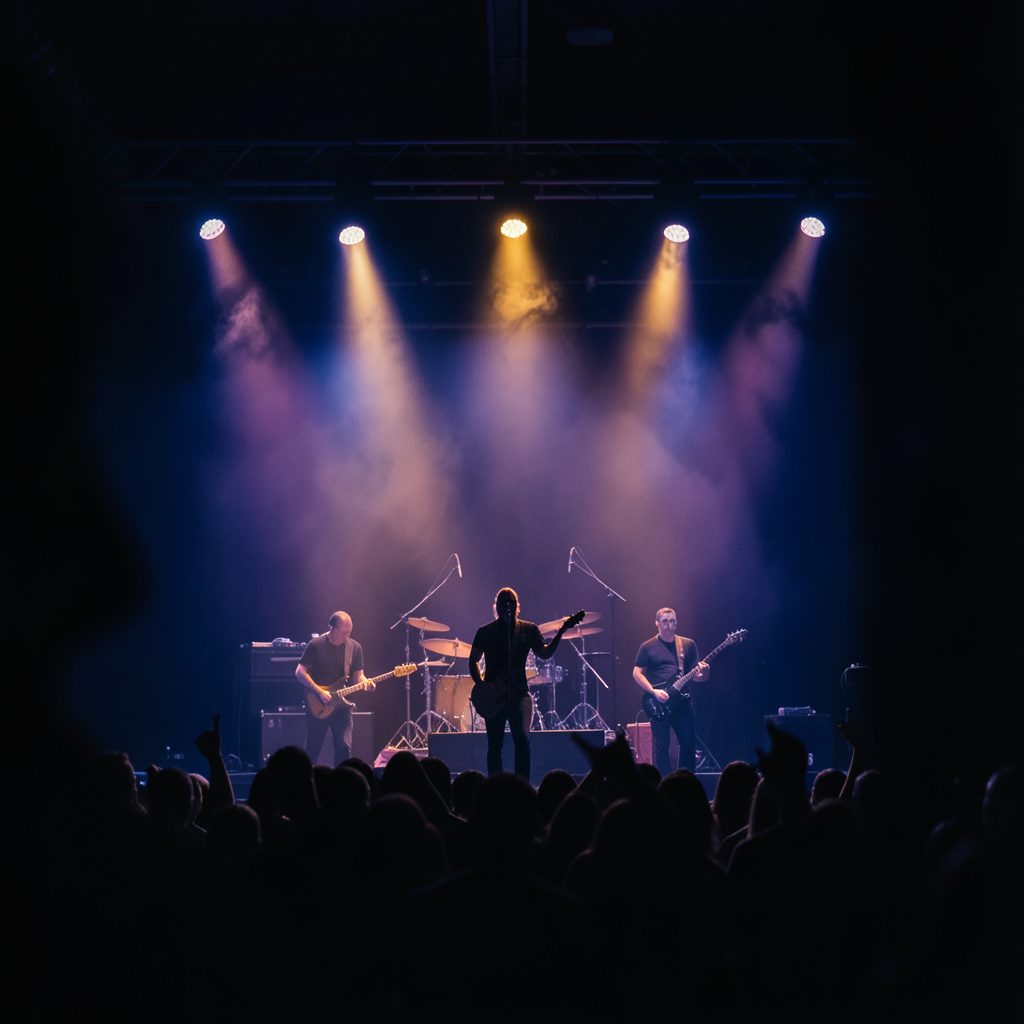
Backline planning begins long before we roll into Melbourne, Sydney or our home city of Adelaide. We map the instruments, amplifiers, monitors and drum kit each venue can support, then build around the room instead of turning up with a one-size-fits-all rig.
Every stage has its own personality. A heritage theatre can offer generous power and a sizeable loading dock, while a pub in Brisbane or Perth may have a compact stage, shared storage and a hard curfew.
Backline means the gear that keeps the band running live: guitar cabinets, bass rigs, drum hardware, microphones, monitor mixes and essential instruments. Our touring crew checks those needs with the promoter, production manager and house tech before the first case is lifted.
How we plan for backline needs at different venues keeps the show consistent without ignoring local limits. It also gives our crew time to solve problems calmly, so the musicians can focus on the set once the house lights drop.
Reading the room before the truck loads
Our first call is with the venue's production team. We ask about stage dimensions, stair access, power distribution, rigging points and available backline, including whether the house kit meets our sound and whether our risers fit around a shared drum riser.
Australian venues often have crews working several rooms in one building, so load-in windows can be tighter than doors-open time. We send one master equipment list, colour-mark cases and identify pieces that cannot be substituted. Clear notes prevent an argument during the arvo load-in and leave more time for a fair dinkum soundcheck.
Sharing a stage with local heroes
Supporting Australian acts is part of the circuit, and a shared bill can change the backline plan. A band may bring its own drummer while using the house kit, or need extra inputs for a floor tom. We adapt the monitor mix and keep the changeover simple for both crews.
Our musical heroes story captures the value of those shared bills. The right combination of artists can attract different crowds, so we plan the transition, stage access and equipment handover before the first support act arrives.
Matching amps to the house system
Houses such as Melbourne's The Forum, Brisbane's The Tivoli and Perth's Amplifier present different acoustic and electrical conditions. The Forum gives us a larger room with a polished main system, while a smaller club can demand more controlled monitors and careful cab placement.
We bring reference tracks, talk to the front-of-house engineer and agree on each musician's sound. Moving a guitar cabinet a few metres can change low-end impact, especially on a crowded stage. The backline plan protects clarity without flattening the full-band weight Saving Abel is known for.
Managing regional runs and tight turnarounds
A run through regional New South Wales or along the Victorian Gold Coast can place three shows in a weekend. Local crews often handle part of the backline, which makes a written inventory vital. We confirm who supplies the drum riser and list the substitutions we will accept.
We also keep repair kit, spare strings, batteries and backup connections on the road. If a venue has restricted load-in access, we reduce unnecessary cases and protect the essentials. Good planning means a quick swap, a working show and less stress for the local crew.
Comparing common Australian venue setups
A practical look at common Australian setups shows how the room changes our checklist. The inventory moves with the tour, but the questions stay consistent.
| Venue setting | Typical backline approach | Planning priority |
|---|---|---|
| City theatre, such as Melbourne's The Forum | House drums with touring guitars, bass rig and monitors | Power, stage size and load-in access |
| Club night, such as Sydney's The Enmore | Mixed house and touring backline | Monitor mix and quick changeovers |
| Regional hall | Minimal house kit and more touring equipment carried | Transport weight, risers and repair cover |
| Small music room, such as Perth's Amplifier | Compact touring rig or selected house items | Volume, cable routing and curfew |
The useful comparison is not size alone. Reliable power, safe cable routes, an accessible loading point and a responsive technician often matter more than a long inventory of house-owned equipment.
Keeping fans close to the road
Preparation stays behind the scenes, but fans can follow the process through Saving Abel's news updates, tour announcements and event photos. Set times, venue details and support-act news appear on the band's official channels, while the online store keeps tour merchandise within reach across Australia.
For anyone heading to a gig, check the local event listing before leaving home, arrive early enough for the support act and follow the crew's directions. Share the night with fellow rockers, watch the official socials and be ready for the singalong.
Follow Saving Abel for the next tour announcement, then visit the official merchandise store for band tees, hoodies and tour patches. Your support keeps the music, the road crew and the community shows moving.