The most interesting venue histories we've played
Few Australian bands can trace their growth through rooms with such varied histories. A Newcastle pub, a former Sydney cinema and a grand Melbourne hall might look unrelated, but each leaves its mark on how a band performs. The architecture, crowd and local traditions shape the same songs in very different ways.
Saving Abel began in Newcastle, New South Wales, and developed its anthemic sound in the Hunter Region’s live-music circuit. The current four-piece features Jared Stevens on vocals and guitar, Ian Novello on guitar, Matt Trezise on bass and Ji Brown on drums. Together, they combine restrained verses with widescreen choruses built for communal singing.
Songs such as “Save Me”, “The Last Episode” and “Addicted” have travelled through Australia’s distinct touring markets, from intimate pub stages to large metropolitan theatres. The official band site brings together news, event photographs, future recording updates and online merchandise for fans following that journey.
These venue histories are less about monuments than lived experience. They record which rooms tested a new arrangement, where a crowd finally caught the chorus and how a band learned to work with everything from narrow PA systems to cavernous acoustics.
Newcastle roots and the rooms that raised us
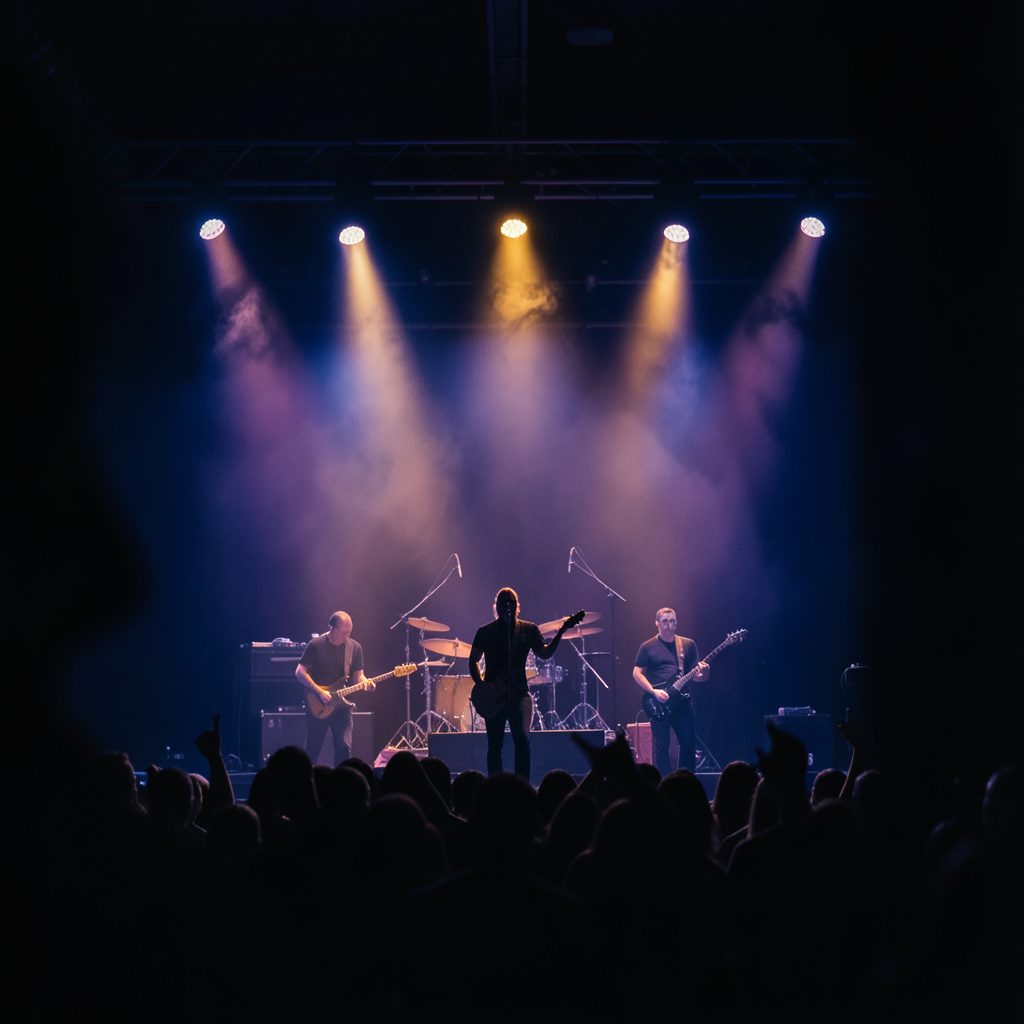
Newcastle Civic Theatre was a crucial proving ground. Its historic stage and formal sightlines taught us the value of restraint: a quiet opening could hold attention before the band opened out beneath the high ceiling. The Cambridge Hotel offered the opposite lesson, with its close quarters demanding quicker changes of pace and stronger interaction with the audience.
The local scene also shaped our approach. Newcastle musicians often crossed paths at shows, soundchecks and pub rooms where a “shout” meant buying the next round. That pub-rock culture helped us understand how an Australian audience communicates. Approval might arrive as a nod, a raised glass or a singalong that begins before the final chorus.
Following the Australian touring circuit
Moving beyond home exposed us to very different audiences. Sydney’s Metro Theatre retains the presence of a 1930s cinema, while Melbourne’s The Forum and historic Festival Hall offered grander spaces built around spectacle. Brisbane’s Tivoli began as a cinema in the early 1970s before becoming a defining stage for Queensland music.
Australia’s geography added another layer. Perth’s dry heat, Brisbane humidity and changeable Melbourne weather can all affect a day’s load-in and an evening’s energy. Coastal capitals have deep networks of clubs and theatres, while regional towns often rely on festivals and touring combinations to bring international and domestic acts together.
How each building changes the show
The same arrangement can feel completely different depending on the room. These comparisons come from our own touring experience rather than a ranking of venues.
| Venue | Home city | Historical character | Effect on the performance |
|---|---|---|---|
| Newcastle Civic Theatre | Newcastle, NSW | Interwar civic entertainment venue | Rewards restraint before a wide, elevated finish |
| The Cambridge Hotel | Newcastle, NSW | Long-running inner-city rock room | Encourages quick transitions and close crowd contact |
| Metro Theatre | Sydney, NSW | Converted 1930s cinema | Lets a quiet song grow into a full-room release |
| The Tivoli | Brisbane, QLD | 1970s cinema turned major music hall | Gives big choruses room to fill every section |
These rooms reward different instincts. A heritage theatre may swallow a thin sound, so the band plays more deliberately, while a compact club exposes every missed note and makes the drummer’s timing impossible to hide.
Songs that travel between old walls
Our records were made for live rooms, but no studio version captures the friction between instruments and architecture. Festival Hall’s 1925 dance-hall history demanded volume and movement, whereas smaller rooms made every vocal detail more exposed. The songs survived because the band changed around them rather than forcing one fixed performance.
Australian crowds are often direct without needing constant prompting. They signal support through movement, clapping and joined vocals, particularly when a familiar chorus returns. Support acts also play a vital role, building momentum from local bands to established acts and giving each night its own Australian identity.
Planning a better night out
Choosing a live venue involves more than checking who is playing. A little preparation can make the experience better for everyone.
- Pick a historic theatre when you want spectacle, atmosphere and a full-band sound.
- Check the smaller support rooms as well as the headline stage.
- Review ID requirements, age restrictions, accessibility and transport before leaving home.
- Arrive early for the support act and browse official merchandise online before queues form.
- Bring earplugs when the room’s reputation suggests a loud night.
For confirmed cities and venues, check our latest tour dates. Follow local event listings as well, since Australian shows often include nearby club dates, support bills and festival appearances that are not listed on the main tour run.
Make the next show part of the story
Every stage leaves an impression. Some become part of a band’s history; others remain closely connected to the audiences that filled them. Choosing a date means entering a room with its own story and adding another chapter through music, movement and shared singing.
Pick a show, bring a friend and share the date with someone who should be there. See you in the room.