The best strategies for releasing music independently
Releasing music independently gives artists control over timing, budgets and storytelling, but success depends on preparation rather than a late upload to streaming platforms. A strong campaign connects the recording, promotional assets, media coverage, live activity and direct-to-fan opportunities into one clear plan.
For Saving Abel and other Australian acts, that plan must suit the local market, long travel distances between cities and audiences who often discover new music while commuting or scrolling on mobile devices. Independent releases need to feel purposeful both online and in the room.
Set goals and build a realistic release plan
Begin with three measurable goals: who needs to hear the release, which platforms matter and what result will justify the investment. Define the audience by location, listening habits and fandom instead of using inflated follower totals. Set a modest budget, retain control of master rights and reserve funds for promotion and paid media.
Build the campaign backwards from release day, working through single submissions, artwork, press pitches, teaser clips, pre-orders and launch posts. Give each task an owner and deadline, then use release planning guidance to turn the broad vision into a manageable schedule. Test every message with a small group of trusted listeners.
Create a focused campaign across formats
Choose one lead song and give it room to lead. A shorter, memorable track can work for playlist pitching, creator outreach and short-form video, while an album release should have a narrative that rewards repeat listening. Deliver clean masters, instrumentals, stems and artwork early enough for editorial teams and visual assets to be prepared.
Metadata is part of the product. Use consistent spelling, credits and song descriptions, then claim and maintain profiles with ARIA and relevant streaming platforms so listeners can find the release. Register compositions and recordings correctly with APRA AMCOS, and check classification requirements before publishing explicit material or artist-led clips.
Build local relevance and audience relationships
Build promotion around earned attention, not constant posting. Send a concise electronic press kit to Australian music publications, radio outlets and niche creators, pairing each pitch with one compelling story. Use Instagram, YouTube, TikTok and fan channels for access, rehearsal clips and behind-the-scenes material, while giving supporters clear ways to share it.
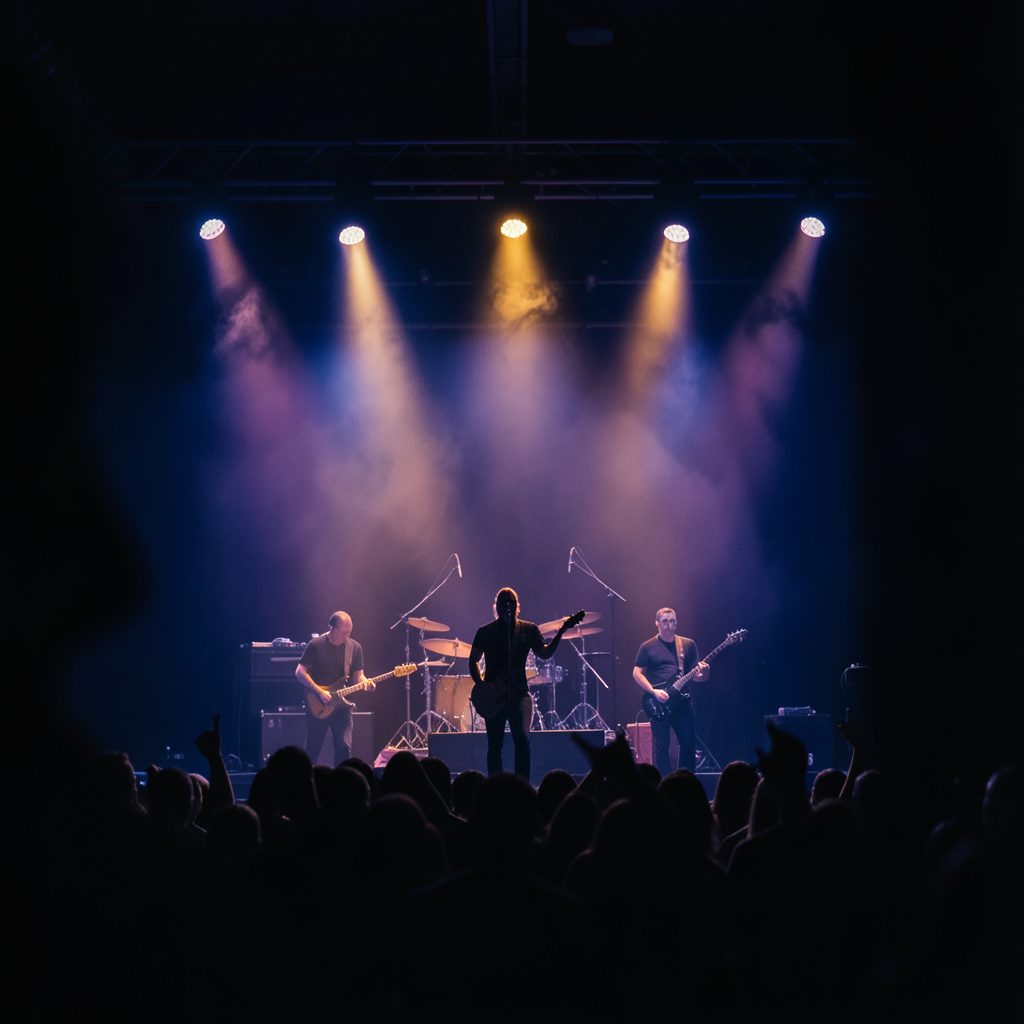
Local relevance can turn a release into an event. Schedule intimate shows in Sydney, Melbourne and Brisbane, use venues reachable by trains and buses, and account for travel between states. Coordinate ticketing, set times and merchandise so the live audience has a reason to arrive early and stay engaged. In Brisbane and Perth, heat and outdoor conditions also belong in the safety plan.
Use data without losing the human connection
Measure more than streams. Track pre-orders, saves, completion rates, playlist additions, video watch time, email sign-ups, click-throughs and merchandise conversion. Compare spending against revenue and audience growth, then shift funds toward channels producing genuine fans rather than a brief spike in passive listening.
Review results weekly without changing the creative direction for every small fluctuation. Direct fan tools must also meet Australian expectations: comply with the Australian Consumer Law when selling physical goods, and obtain consent before sending commercial email under the Spam Act. Ask fans what prompted them to listen or buy, then reward early supporters with alternate edits or signed items.
Compare approaches and turn plans into action
No single model fits every release. The right choice depends on the strength of the song, available budget, existing audience and whether live activity can support the story.
| Release approach | Best suited for | Main strength | Main risk |
|---|---|---|---|
| One-song digital release | Testing a new sound or audience | Fast feedback and low cost | Can feel minor without a story |
| Multi-track release | Deepening an established fanbase | More listening and wider pitching | Higher production and promotion cost |
| Video-led campaign | Strong visual identity and social reach | Fast discovery and shareable assets | Production demands can delay the song |
| Live-first launch | Bands with strong local support | Immediate community and ticket revenue | Limited reach if attendance is small |
A blended release often works best: lead with a digital single, deepen the story with videos and press, and use pre-orders or a live show to reward direct support. Preserve the strongest combinations, discard weak tactics and document the process for the next campaign.
Create your campaign calendar this week, assign owners to every deliverable and publish the first audience teaser. Then visit Saving Abel’s official site for tour dates, event photos, band news and merchandise, subscribe to upcoming updates, and share the next release with fans who have supported the journey.