Outdoor Gigs and the Australian Rocking Weather
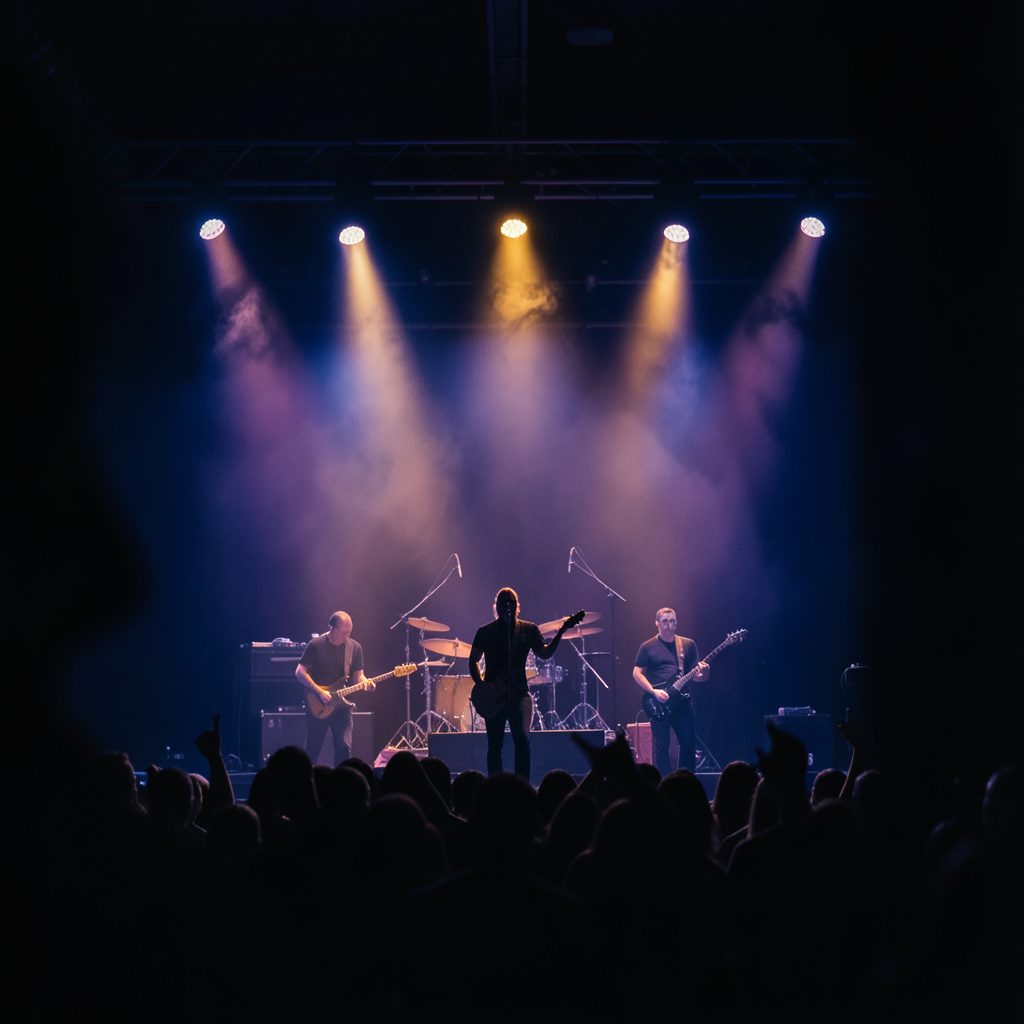
An outdoor stage gives a rock band space to move and a crowd a full-volume show, but it also exposes instruments, sound systems and crew to forces absent in a club. Temperature, wind, rain and sunlight can all interrupt the performance.
Australian summer runs from December into February, when UV levels can be extreme. Melbourne’s famously changeable skies and Sydney’s coastal humidity and sea breeze create another set of conditions crews must respect.
For Saving Abel’s current live line-up, an open-air set can feel electric and expansive. Visitors can explore Saving Abel’s official music to hear the material behind those performances, while the band and its crew prepare every date for the realities of the road.
Heat, Storms and Changing Summer Skies
High daytime temperatures affect more than the singer. Electric guitars and amplifiers respond to heat, drumheads can warp, and players tire quickly. Outdoor schedules also place musicians in direct sun during soundcheck and changeover, making breaks, shade and electrolyte drinks essential.
Rain can arrive with little warning in Melbourne, while summer storms threaten outdoor events across eastern Australia. Crews need covered loading access, non-slip steps, waterproof cable connections and a clear lightning threshold that can pause or stop the show without delay.
Power, Rigging and Fragile Equipment
Outdoor venues rarely offer the clean, unlimited power found in a club. Generators, portable distribution units and backup systems must feed amplifiers, lighting and monitors, with engineers watching voltage, phase and load. A brownout can end a song, so contingency power is essential.
Wind is equally important. Engineers calculate safe wind limits for flown lighting, speaker towers and stage coverings, then inspect ballast, clamps and guy lines. Instruments need protection from humidity and temperature shifts, while drums, cymbals and electronics require more frequent checks than they would indoors.
Crowds, Permits and Australian Venues
Crowd planning becomes harder when there is no fixed wall, foyer or nearby bar to absorb peaks. Barriers, emergency lanes, accessible viewing areas and clear entry points must be laid out in advance. Marshals also need radio coverage and a safe way to move people during a pause.
Licensed late-night outdoor gigs in cities such as Melbourne and Sydney are governed by council conditions, including sound curfews and evacuation requirements. The Australian pub-rock circuit adds another pressure, with local support acts, short changeovers and limited load-in windows placing strict demands on the schedule.
Audience Comfort and Emergency Readiness
Bushfire smoke can reduce air quality and disrupt events, particularly during hot, dry conditions. Crews should monitor official warnings, have masks available and make cancellation or relocation decisions early rather than waiting for conditions to worsen.
Comfort is part of safety. Festival audiences need free water, shade, sunscreen advice, accessible toilets and a clear route to first aid. Ear protection matters for people near the stage, while phones, bags and loose clothing can become hazards in wind or a dense crowd.
Planning a Resilient Outdoor Performance
An experienced production manager builds decisions into rehearsal, from alternate setlists and instrument covers to wind limits for the PA. Medical staff, security, local emergency services and venue teams should share one plan, with clear authority assigned for pausing the show.
Announcements through social channels and the venue prevent confusion when weather delays or shortened sets alter the running order. Weatherproof setlists, cable ramps, sandbags, spare strings and absorbent towels are small preparations that can prevent a costly failure.
| Outdoor condition | Main operational response | Audience and crew preparation |
|---|---|---|
| Extreme heat and UV | Shade, breaks, hydration and shorter sets | Sunscreen, hats and refillable bottles |
| Strong wind or lightning | Lower rigging, secure equipment and pause performances | Follow instructions and avoid temporary structures |
| Rain or soft ground | Covered loading, drainage and non-slip access routes | Suitable footwear and protected electronics |
| Smoke or hazardous haze | Monitor air quality and relocate or cancel | Check alerts and carry a suitable mask |
| Power interruption | Use backup supply and manage a controlled pause | Keep exits clear and battery devices charged |
Check Saving Abel’s official tour announcements and social channels before leaving home, follow venue instructions and pack for sun, wind and sudden showers. Arrive early, refill your bottle and give nearby crew room to work.
Support Australian acts on the bill, stay alert to schedule changes and arrive ready to enjoy a carefully prepared open-air performance. The strongest shows begin long before sunset, when crews quietly solve the weather, logistics and safety details that let the music take over.