Why Stage Blocking Shapes A Stronger Saving Abel Show
The Importance of Stage Blocking in Our Shows goes far beyond deciding where each musician stands. It gives every movement a purpose, keeps the performance visually clear and helps the band connect with people from the first note to the final encore.
A well-planned stage layout supports the energy of rock music without making the performance feel rigid. Guitar changes, drum fills, vocal handovers and shared moments at the front of the stage all become easier to deliver when the band has a clear sense of space.
For Australian audiences, that clarity matters across very different venues. A show in a packed Sydney room, an outdoor event near Brisbane or a theatre in Melbourne can each require a different approach to movement, sightlines and audience interaction.
Turning Music Into A Visual Experience
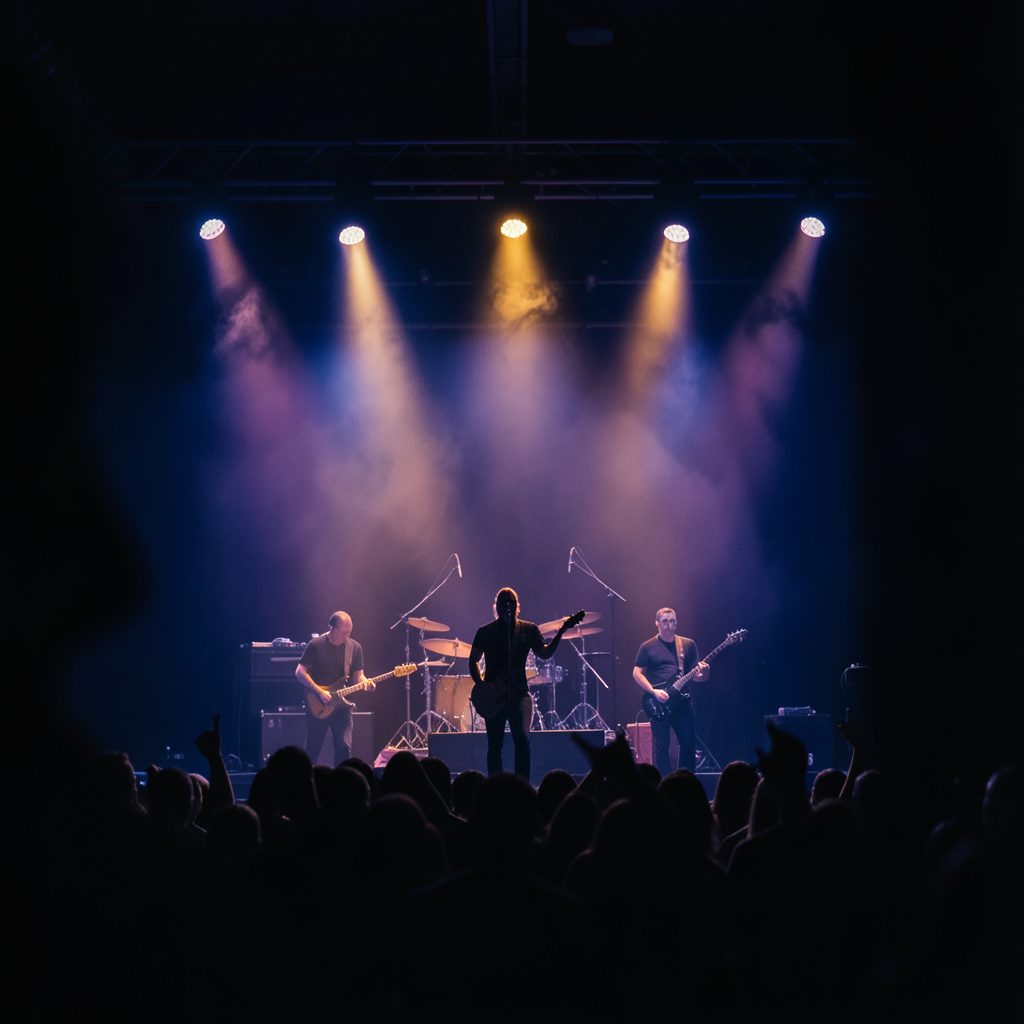
Live rock is experienced with the eyes as much as the ears. Stage movement gives the audience visual cues, whether that means a guitarist stepping forward for a solo, the singer moving closer during a quieter verse or the whole band gathering for a major chorus.
Without a performance map, musicians can drift into awkward positions, block one another or leave parts of the stage looking inactive. Blocking helps balance the picture, allowing every member to contribute to the show’s visual rhythm while keeping attention on the music.
This is especially useful on festival stages, where the audience may be standing far from the performers. Clear silhouettes, deliberate crossings and strong front-of-stage moments can carry the atmosphere across a large outdoor space.
Building Confidence And Musical Connection
Rehearsed movement reduces uncertainty. When the band knows where a transition happens, members can focus more fully on timing, tone and communication rather than wondering where to move next.
Blocking also strengthens internal cues. A glance across the stage, a step towards another player or a shared position at the end of a song can help musicians feel connected during a loud performance. These signals are valuable when monitors, crowd noise or venue acoustics make communication difficult.
The result should feel natural rather than mechanical. Repetition creates a reliable framework, while room remains for spontaneous moments that make each concert different.
Adapting To Australian Venues
Australian touring often means moving between very different production environments. A compact club in Adelaide may offer limited depth, while a large venue in Melbourne can provide multiple risers, extended runways and more complex lighting. Stage blocking has to work in both settings.
Outdoor performances bring further considerations, including strong afternoon sun, wind and long sightlines. In warmer Queensland conditions, movement can also affect stamina, so the performance plan needs to support energy management across the full set.
The band’s tour dates help fans follow upcoming appearances, from major city shows to events where local support acts and regional audiences create a distinct atmosphere. Australian concert culture often includes early entry, all-ages sessions and long drives between towns, making a clear, rewarding live presentation particularly important.
Making Every Role Visible
Good blocking gives each musician moments to be seen without turning the show into a series of isolated poses. The rhythm section can anchor the stage, while guitarists and vocalists create movement that reflects the arrangement.
Lighting works best when it is planned alongside these positions. A spotlight that arrives before a solo, a backlight behind the band during an instrumental passage or a wide wash for a chorus can make musical structure easier for the audience to follow.
Fan engagement also benefits from thoughtful positioning. Moving toward the crowd for a singalong, acknowledging different sides of the room and creating space for photographs can make an Australian audience feel included, whether the venue is an intimate pub or a major concert hall.
A Practical Framework For Rehearsals
Stage movement should be rehearsed with the same care as harmonies and transitions. The band can mark key positions with tape, test sightlines from the room and run the set under realistic lighting whenever possible.
A useful approach is to identify the songs that need the most visual planning: opening numbers, major solos, quieter emotional moments and the final sequence. These become anchors for the complete performance while simpler songs retain a relaxed feel.
| Performance Element | Purpose | Useful Blocking Detail |
|---|---|---|
| Opening song | Establishes energy quickly | Begin in strong, visible positions |
| Guitar solo | Directs attention | Step forward without hiding another member |
| Quiet verse | Creates intimacy | Reduce movement and use closer spacing |
| Big chorus | Expands the visual impact | Open the formation and face the audience |
| Encore | Leaves a lasting impression | Build towards a shared final position |
Rehearsal Priorities For A Clearer Show
- Mark entrances, exits and major crossings before full run-throughs.
- Check every position from the back and sides of the venue.
- Match movement to song dynamics instead of adding motion everywhere.
- Leave space for spontaneous crowd interaction.
- Review video to spot blocked sightlines or unused areas.
The strongest live performances combine preparation with personality. Stage blocking provides the structure that lets Saving Abel move confidently through each song, respond to the room and create moments fans remember after the lights come up. Follow the band’s latest news, live updates and performance activity through the official website, and keep an eye on the tour schedule for the next chance to experience the show in person.