How Stage Monitors Shape Our Live Sound on Australian Stages
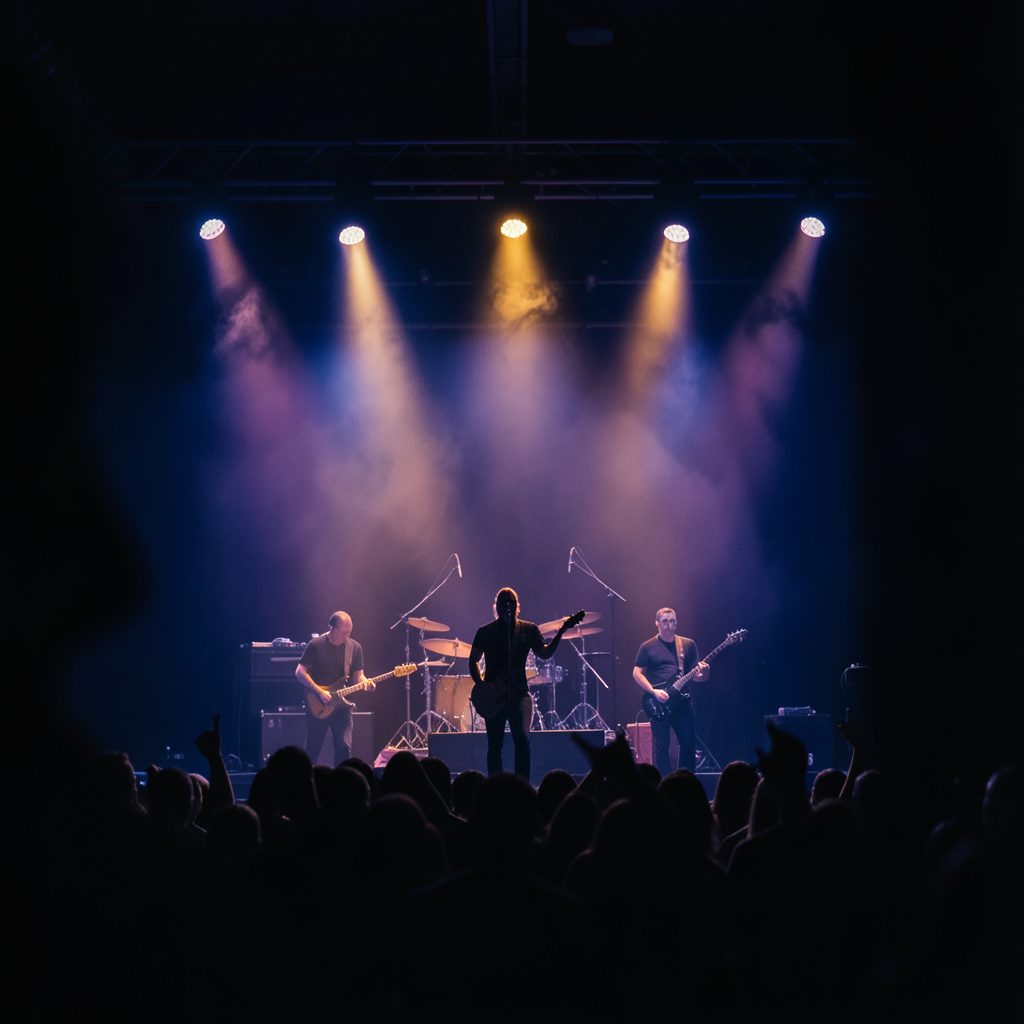
When we step onto a stage in Sydney or a biker festival in regional Queensland, the clarity of our on-stage mix can make or break the show. Stage monitors are the floor wedges, side fills, and in-ear systems that let us hear ourselves, the rest of the band, and the click track in real time, and getting them right has become one of our biggest priorities. After years of touring clubs in Melbourne and outdoor festivals along the east coast, we've learned that stage monitoring is just as much a part of our performance as the songs themselves.
For anyone who hasn't spent a night behind the rig, the idea of a "monitor mix" might sound like inside baseball. But every musician on stage depends on the signal coming through their wedges or earbuds to lock in with each other. Without good on-stage sound, even the tightest band sounds shaky, so we've built our whole live approach around foldback that actually works in every room we play.
Why Stage Monitors Matter Beyond the Crowd Mix
The front-of-house mix is engineered for the audience, but stage monitors exist solely for us, the performers. A clear foldback lets our vocalist push through choruses without losing pitch, lets the drummer lock into the kick pattern, and keeps the bassist in time when the room gets loud. When the monitor world feels muddy, fatigue sets in fast and the back half of the set suffers.
Good on-stage monitoring also gives us confidence to take risks. If our guitarist can clearly hear the reverb swells he's dialling in, he's more likely to try something new every night. That kind of trust in what we're hearing is what turns a run of dates into something memorable.
| Monitor Type | Best For | Strengths | Trade-offs |
|---|---|---|---|
| Wedge monitors | Small clubs, traditional setups | Easy setup, natural feel, lower cost | Spills into front mics, limited per-player control |
| In-ear monitors (IEMs) | Touring, festivals, large rooms | Personalised mix, hearing protection, consistent sound | Can feel isolating, wireless upkeep |
| Hybrid wedge plus IEM | Mixed venues, longer tours | Redundancy, flexible cue mixing | More gear, longer load-in |
| Side-fill speakers | Large stages, festival rigs | Fills the stage for all members | Needs careful placement and tuning |
Choosing Between Wedges and In-Ears
For our early Australian tours, we ran almost entirely on wedge monitors because they were affordable and quick to set up in a Melbourne pub or a Brisbane beer garden. Wedges give that classic stage feel where sound bounces back at your feet and you can move around freely. The trade-off is everyone shares the same floor space, so getting five separate mixes from one amp rack is a stretch.
Switching to in-ear monitors changed how we tour between cities like Perth, Adelaide, and Sydney. With moulded IEMs and a wireless belt pack, each of us gets a personalised mix, which means the drummer can take a click while the vocalist hears more of his own reverb. The catch is that wireless signal gets crowded at packed festivals, so we always scan frequencies on arrival and carry spares.
Building a Monitor Mix That Works for Each Player
The art of mixing monitors is asking each performer what they need to hear, then translating that into channel volume and pan. Our monitor engineer starts every soundcheck by having each member play their hardest part alone, so we can spot which cues are missing. In regional venues with only two hours of soundcheck, that conversation has to be quick.
We also agree on a hierarchy: vocals first, drums second, bass third, guitars last. The order isn't rigid, but it stops arguments about who needs more of what. When we're flying gear between Australian capitals, every cable is pre-labelled and the monitor rack is the first thing we set up on stage.
Looking After Hearing on Long Tours
Protecting our hearing across tours that run from Hobart to Darwin is non-negotiable. Safe Work Australia sets clear noise exposure limits, and most local production companies follow those guidelines closely. Good in-ears are our main line of defence because they keep stage volume well below dangerous thresholds, even when the festival PA stack outside is enormous.
We also carry custom earplugs for travel days and any time we're off stage. After a long set in regional New South Wales, the quiet of the tour bus feels almost shocking, but it's exactly what tired ears need after hours in front of foldback wedges.
Adapting to Venues from Melbourne to Brisbane
Every Australian venue has its own personality, and our approach changes with the room. At The Corner Hotel in Melbourne, we're cramped on a small stage with low ceilings, so we lean on IEMs to avoid wedge spill into the front mics. At The Triffid in Brisbane, the outdoor stage area gives room for a tight wedge setup and a side fill that the whole band can hear.
Outdoor festivals come with humidity, dust, and the odd rain shower. We seal our IEM transmitters in covers during load-in and keep rolls of gaff tape handy for cable runs across grass. A monitor rig tuned indoors can fall apart quickly when the weather turns.
Working With Local Crew and Engineers
We never assume we'll carry our regular monitor engineer across the country. Regional shows often use local crew who know their venue inside out, so we adapt the stage plot to suit them. If they're only offering four monitor mixes, we prioritise singer, drummer, bassist, and guitarist in that order.
Sharing our in-ear presets through a cloud folder ahead of time has been a game changer for APRA AMCOS-regulated festivals. Engineers can load our preferred curves onto the desk before we arrive, cutting soundcheck time and giving us more room to enjoy the meet-and-greet at the merch table.
Quick Tips for Bands Building Their First Rig
Start with a small wedge setup and only two mixes: one for vocals, one for the rest of the band. Once you can hear yourself on stage, the front-of-house mix gets easier. Invest in moulded IEMs before bigger wedges, because protecting your hearing pays off over years of touring.
Always carry spares: extra battery packs for wireless units, a backup cable for the main wedge, and a small set of replacement drivers for repairs. Treat the monitor engineer like part of the band. A happy engineer who knows the sound of your songs is the difference between a sloppy show and a tight one, whether you're playing 200 people in Adelaide or 20,000 at a festival.
If you want to hear our stage monitors in action, check the tour dates and roll up early for soundcheck. We share behind-the-scenes monitor setup clips on social before every Australian show, and the merch store has limited-edition tour tees worth grabbing before they're gone.