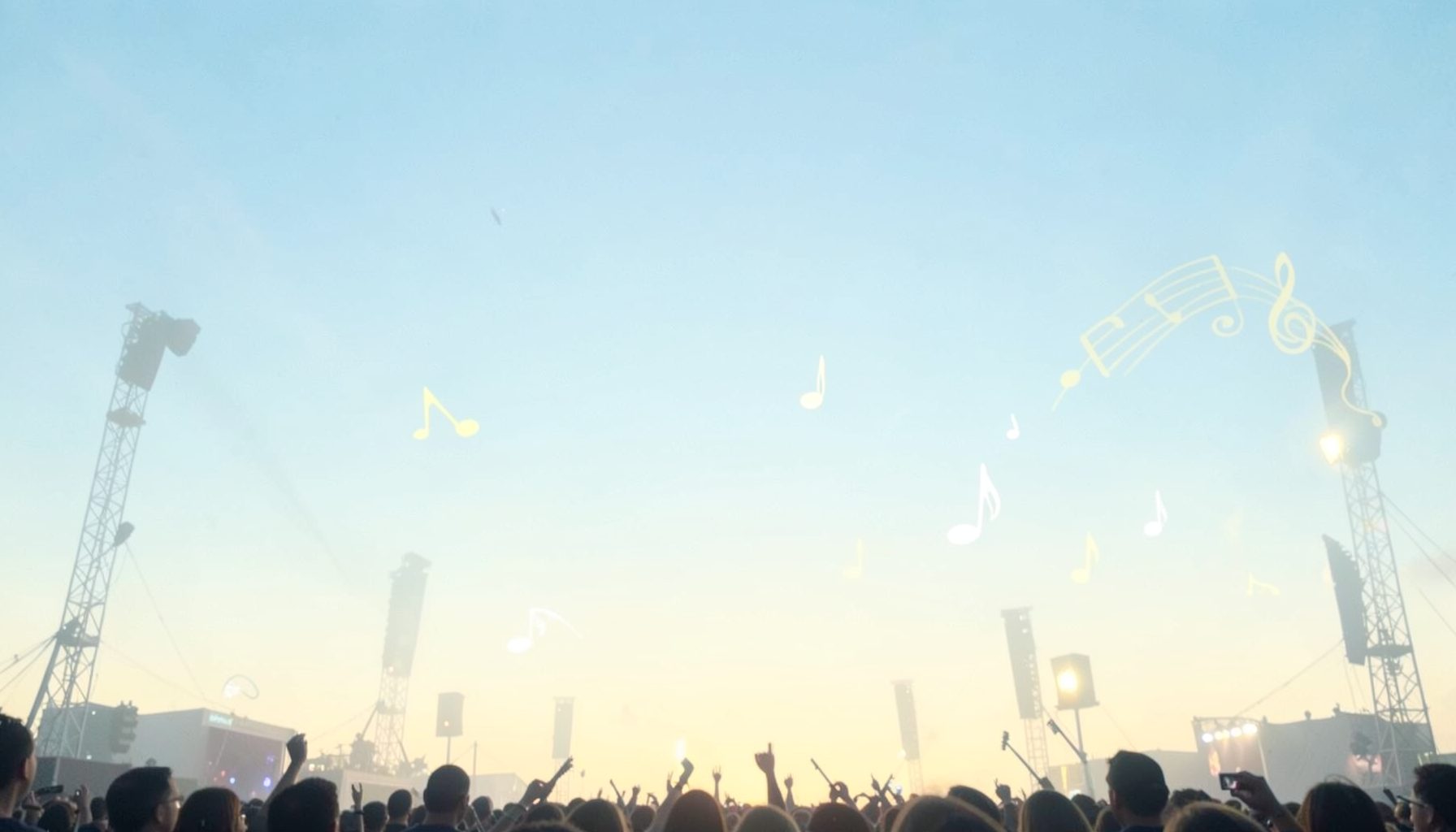
How We Choose Which Songs to Open the Show With
The first song of a Saving Abel show has a job to do before the first chorus is finished. It sets the volume, the mood and the relationship between the band and the crowd. We want that opening moment to feel immediate, honest and unmistakably live.
Choosing a set opener is never as simple as picking our biggest single. We consider the venue, the audience, the shape of the full set and the energy we want to build across the night. Every room tells us something different, from a packed club in Melbourne to an outdoor stage in Brisbane.
What Makes an Opening Song Work
A strong opener creates movement quickly. It may begin with a recognisable guitar line, a drumbeat that demands attention or a vocal entrance that gives everyone something to hold on to. The song needs enough space for the crowd to respond while still giving the band room to lock in.
We also look for emotional clarity. The opening track should tell people what kind of night they are about to share with us. A darker, heavier song can make a room feel intense, while a familiar anthem can turn a cautious audience into a singing crowd within seconds.
Reading The Room Before The Set
Our decision starts well before we walk onstage. We look at the venue size, the support acts, the local audience and the event itself. A festival crowd may need an immediate burst of energy, while a smaller club audience can respond to a slower build and a more personal beginning.
The timing of the show matters, too. A late-night set in Sydney may call for something direct and loud, while an early outdoor performance near the coast might benefit from a broad, open sound. We listen to what people are saying, notice how close they are to the stage and pay attention to the atmosphere during the changeover.
Familiar Songs And Fresh Surprises
Fans often want to hear the songs that brought them to the show, and we respect that expectation. A recognisable track can remove distance between the stage and the crowd. It gives everyone a shared starting point, especially when some people have travelled a long way between Australian capital cities to be there.
At the same time, an opener should leave room for discovery. We might choose a less obvious song if its rhythm, arrangement or lyrical tension gives the set a stronger beginning. Our history also matters, including the story behind the first song we wrote together, because songs with personal meaning often carry a different kind of charge onstage.
| Opening approach | What it gives the show | Possible risk | How we use it |
|---|---|---|---|
| Biggest familiar song | Instant recognition and singing | Can reveal too much too soon | When the room needs immediate connection |
| Heavy, fast track | Physical energy and impact | May feel abrupt in a quiet venue | For festivals and high-volume rooms |
| Mid-tempo favourite | Warmth and confidence | Takes longer to lift the crowd | When the audience is settling in |
| Less expected song | Surprise and musical depth | Some listeners need time to adjust | When we want a gradual build |
Building Momentum Across The Set
We judge an opener by what it makes possible next. The second and third songs should feel like a natural lift, not a sudden change of direction. A powerful first track may need to be followed by something more melodic, giving the crowd a chance to sing while keeping the momentum alive.
The opening also affects the musicians. We need a song that lets us settle into the sound, check the balance onstage and find the night’s rhythm. Once that foundation is solid, we can take bigger risks with arrangements, extended endings and unexpected transitions.
Adapting To Australian Audiences
Australian shows have their own character. People might call out “good on ya” from the floor, arrive straight from work for an evening gig or make a proper arvo of a festival day. That relaxed directness can turn into huge energy once the band gives the crowd a reason to lean in.
We also think about local gig culture, from intimate pub-rock rooms to large outdoor events with strict stage times and venue curfews. A song that works in a close Melbourne room may need a bigger, clearer opening in Perth or Adelaide, where the stage and audience can feel much farther apart. The aim is always to make the first moment feel local, not copied from another night.
The Signals That Guide Us
There is no permanent formula for selecting the first song. We keep comparing rehearsal recordings, remembering how previous crowds reacted and considering what the rest of the set needs. The best choice usually becomes clear when the song feels both exciting for us and useful for the audience.
Our working checklist includes:
- A first chord or beat that carries across the venue
- A vocal entrance with clear emotional purpose
- Enough space for the crowd to respond
- A smooth path into the next song
- The right intensity for the event and time of night
- A connection to the band’s current direction
We will keep refining that choice as new music, recordings and live dates shape the next chapter. Follow the band’s news, tour updates and event photos through the official channels, then join us when the lights go down and the opening notes begin.