How We Rehearse for a Live Stream Performance
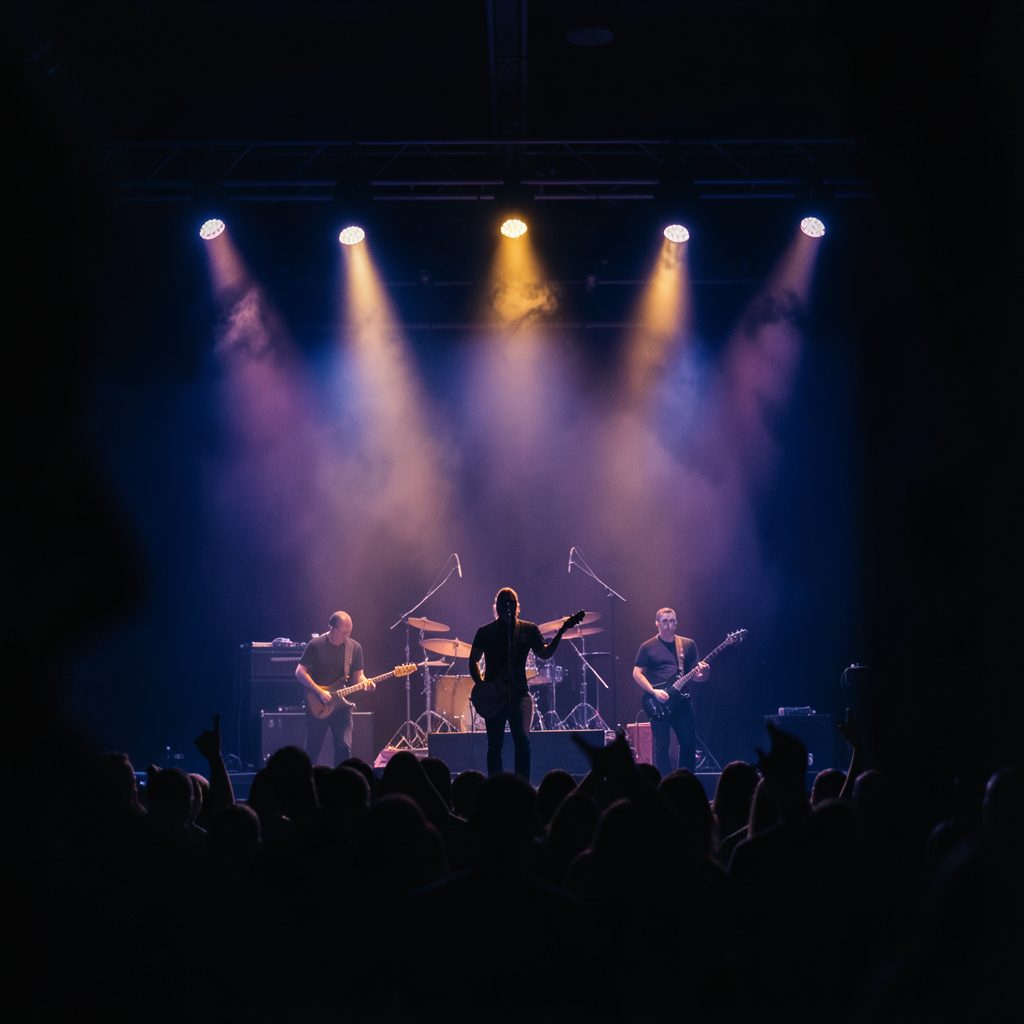
A live stream performance demands the focus of a concert and the precision of a studio session. For Saving Abel, the goal is to keep the energy raw while making every guitar part, vocal line and drum hit translate clearly through a screen.
We begin by treating the broadcast like a real show. The set needs movement, strong transitions and moments that feel natural for fans watching from home, whether they are in Sydney, Melbourne, Brisbane or tuning in from a different time zone.
The rehearsal room becomes a small production studio. We test the sound, camera positions, lighting, internet connection and running order until the music feels immediate. A reliable stream should look organised without taking away the character that makes a rock performance exciting.
Building the Set Around the Screen
A physical crowd gives instant feedback through movement, noise and eye contact. An online audience responds differently, so we shape the set with clear peaks. Familiar songs open the door, heavier numbers build momentum and quieter sections give viewers a chance to settle into the performance.
We also pay close attention to transitions. A long silence can feel much larger on a broadcast than it does on a venue stage. Guitar changes, tuning checks and short comments are planned carefully, while still leaving room for genuine moments between songs.
The running order also considers stream length. Viewers may be joining from Perth during a different part of the evening, or watching after work in Adelaide. A focused set helps people stay connected from the first chord to the final encore.
Locking In the Sound
Our audio rehearsal starts with the same essentials as a concert soundcheck: vocal clarity, guitar balance, bass weight and a solid drum image. We then listen through headphones, studio monitors and ordinary laptop speakers. Each system reveals different problems that may be missed in a rehearsal room.
The broadcast mix needs space. Too much guitar can bury the vocal, while excessive compression can flatten the dynamics that make rock music feel alive. We check levels during the loudest chorus, the quietest verse and every instrumental change.
A separate monitor mix helps the band play confidently. In-ear monitoring can reduce stage volume and give the cameras a cleaner feed, but we still want the performance to feel physical. The right balance lets us hear one another without losing the push of the room.
Making Cameras Part of the Band
Camera rehearsal changes how we move. A close shot can capture a vocal expression or a drummer’s timing, while a wider frame shows the full band and the scale of the set. We mark useful positions without turning the show into a rigid television routine.
Lighting is tested with the camera settings rather than judged only by eye. Strong backlight can create atmosphere, but it may leave faces too dark on a phone screen. We aim for contrast, colour and depth while keeping every member visible during important musical moments.
We also practise looking toward the lens without staring at it. That small adjustment creates a direct connection with viewers in places such as Gold Coast, Newcastle and regional New South Wales, where fans may be watching from home rather than a local venue.
Rehearsing the Broadcast
A complete run-through includes the parts between songs. We test introductions, sponsor or event messages, camera handovers and any guest appearances. Someone monitors the stream as a viewer would, checking for delays, dropped frames, muted microphones or sudden changes in volume.
The technical team records a rehearsal for review. We study whether the wide shot lasts long enough, whether a close-up arrives at the right musical moment and whether the lighting remains consistent when the band moves. Small corrections here prevent distractions during the live broadcast.
Internet stability is a major part of the plan. We use a wired connection wherever possible, keep backup cables ready and confirm who has authority to pause or restart the stream. Australian homes can have very different connection conditions, so dependable production matters more than flashy extras.
Preparing for Australian Viewers
Scheduling has to account for Australian time zones. A stream set for Sydney or Melbourne may land at a different hour in Brisbane, Darwin or Perth, especially when daylight saving affects the eastern states. We publish the time clearly and include the relevant local references so fans know when to be online.
We also think about how Australian fans experience live music. Some may be watching after a pub shift, a weekend barbecue or a long drive home from a regional centre. A concise opening, strong early song choices and a clear replay option make the event easier to join.
The online merchandise store and social channels can extend the night beyond the final song. Fans may share photos, discuss the set list or look for tour updates after the broadcast. Keeping those links visible helps turn a single stream into a wider band experience for the local market.
Final Run Through and Fan Connection
The last rehearsal is performed without stopping unless there is a genuine safety or technical issue. We wear the clothes, use the instruments and follow the same cues planned for show day. That reveals practical details, such as a cable catching on a stand or a jacket affecting movement during a guitar change.
Before going live, we review the essential checkpoints rather than trying to change everything. The band confirms the opening count, the producer checks the signal, and the team agrees on how to handle unexpected problems. Confidence comes from knowing the plan and trusting the people carrying it out.
| Rehearsal Area | What We Check | Why It Matters |
|---|---|---|
| Set list | Song order, transitions and total length | Keeps the broadcast focused |
| Audio | Vocals, guitars, bass, drums and monitor mix | Delivers a clear, powerful sound |
| Cameras | Wide shots, close-ups and movement cues | Preserves energy on screen |
| Lighting | Faces, instruments and changing colours | Prevents dark or washed-out images |
| Connection | Upload speed, cables and backup options | Reduces interruptions |
| Fan experience | Start time, chat details and replay access | Helps Australian viewers stay involved |
The best preparation leaves room for instinct. Once the technical work is secure, we can concentrate on the parts that matter most: playing with intensity, communicating through the lens and giving fans a performance that feels shared rather than distant.
Follow Saving Abel’s official channels for broadcast announcements, tour dates, new music updates and event photos. Check the online merchandise store, set a reminder for the next stream and join us when the lights come up.