Keeping Our Gear Safe On and Off the Road
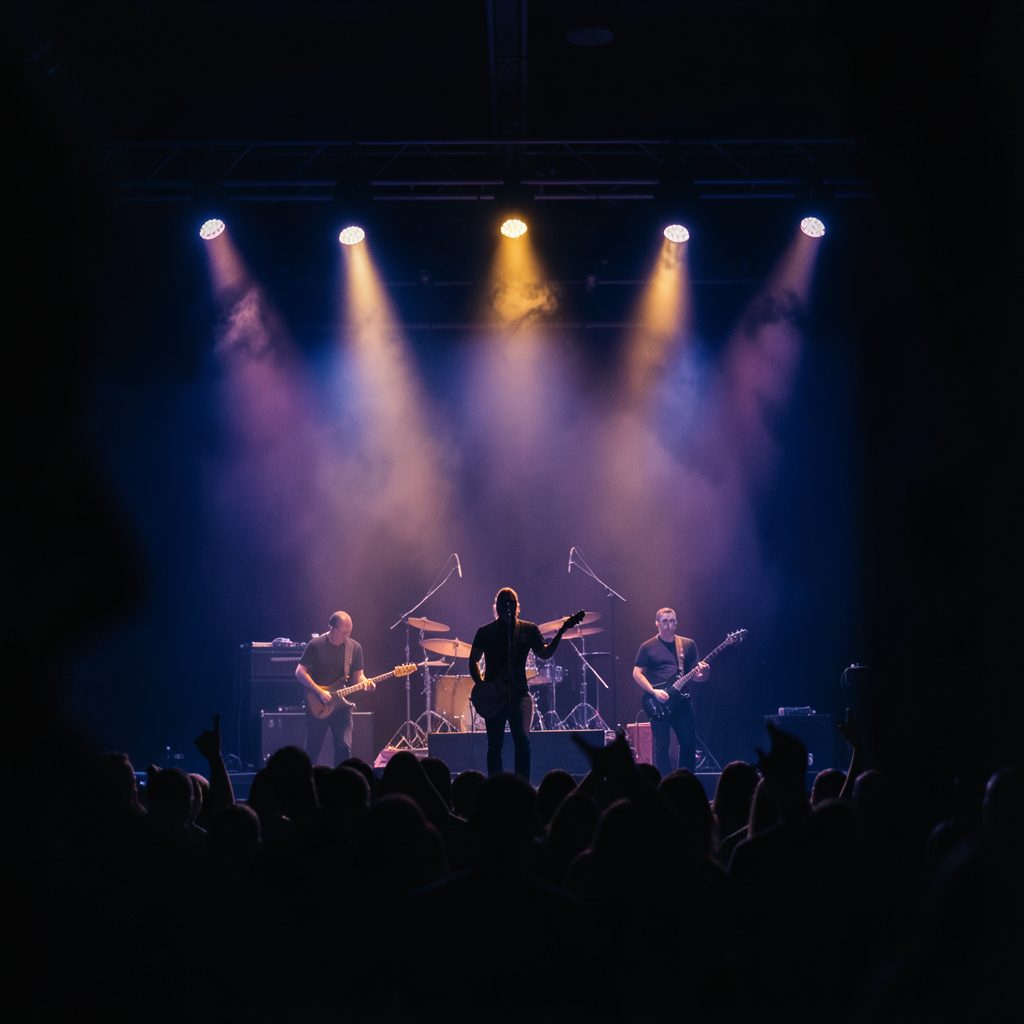
Working as a touring rock band means hauling guitars, pedals, mic stands, cables, and personal kit across countless cities every year. We've had cables walk off stages and even lost an entire pedalboard back in the early days. Losing gear doesn't just dent the wallet — it can cancel a show. So over the years, we've tightened our approach to equipment theft prevention, building habits that travel with us from soundchecks in Sydney to smoky pubs in regional Queensland.
Out here in Australia, distances between gigs are huge, regional venues are often unmanned for long stretches, and the hardware aisle at the local Bunnings only stocks so many heavy-duty locks. Anyone who has toured the East Coast knows that a secure rig in Melbourne isn't automatically a secure rig when you ferry it across the Bass Strait or park overnight at a servo on the Pacific Highway. We've had to design our security routine to handle all of it.
Why Locking Down Matters For Working Bands
Plenty of acts treat theft prevention as an afterthought until something vanishes. We did the same, until a borrowed wah pedal disappeared at a club and forced a frantic morning run to a music shop before doors opened. From then on, we started treating our gear like tradies treat their utes. Every case gets labelled, every cable gets photographed before it goes in the van, and the manifest lives in a shared cloud folder. That habit alone has saved us from arguments about who lost what and has helped us recover items more than once.
It's worth remembering that even small thefts create big headaches. A missing in-ear monitor or DI box can mean cancelling a set, refunding tickets, and losing the goodwill of a venue. A locked case, a clear photo record, and an honest roster of what's in every box turn a possible disaster into a phone call and a pickup.
Locking Down Backstage And Storage Spaces
Backstage isn't always the fortress musicians imagine. Smaller Australian venues often have shared green rooms, and the storage cage behind the pub might be the same cage used by the kitchen crew. We always carry our own heavy-duty padlocks and use them on road cases the moment they come off the rig. Where the venue has secure storage, we ask to use it — quietly, politely, the way a bloke asks the bartender for another round. Where it doesn't, we stack the cases inside the van and lock it to a fixed point with a hardened chain.
We also keep a written log of who enters our backstage area, including crew from other bands sharing the same room. Cross-touring acts often swap gear, and a friendly handshake with the other band's roadie goes a long way toward making sure nothing walks off at the end of the night.
Touring Logistics Across Australian Roads
Australian touring has its own personality. Long hauls between Perth and Adelaide cross the Nullarbor, regional shows mean overnighting at country motels, and ferries from Geelong to the Mornington Peninsula require extra paperwork for vehicles. Each leg introduces moments where gear sits unattended — at a roadhouse, at a Border Force checkpoint, or on the deck of a Spirit of Tasmania sailing. We plan our refuelling stops in populated servo chains along the Hume rather than the lonely ones halfway between towns.
Truck-stop security across regional routes is a real concern in Western Australia and the Northern Territory. We avoid leaving a fully loaded van visible for more than a coffee stop, and where a venue can't offer secure overnight parking, we shell out for a powered site at a Big4 holiday park so we can park nose-to-towbar under the lights and lock down with our own wheel clamp.
Tracking Devices And Recovery Tech
Every road case worth more than a few hundred bucks now wears a discreet GPS tracker hidden inside or under foam. The trackers ping every few minutes, and we get alerts the moment a case moves without an authorised phone nearby. A few acts we know have recovered stolen rigs within hours thanks to a tracker and a quick call to local cops. We use a mix of battery-powered and hardwired units depending on whether the case powers gear or just sits there.
We also write down serial numbers and take fresh photos before every tour. That record, plus a tracker, gives insurers and police the trail they need. Anyone curious how this kind of preparation ties into broader travel prep can read this rundown of tour security habits for extra perspective on the gear side of the road.
Working With Local Crews And Promoters
Aussie promoters and their road crews are a tight-knit mob. They know which venues have dodgy back doors, which hotels have a clear sightline from reception to the car park, and which suburbs to avoid when ferrying gear after dark. We make a point of arriving early, meeting the local crew, and asking directly about security concerns around the venue and any nearby late-night spots where fans might wander in.
Sensible communication prevents most incidents. We ask for a list of staff working the load-in, give a quick brief about which cases are off-limits, and tip well when the night ends without a missing microphone. The crew here genuinely looks out for working bands, and a bit of mutual respect buys a level of vigilance money can't rent.
Insurance, Documentation And What Comes Next
Even with all the prevention in the world, gear sometimes grows legs. Solid insurance covers the gap when locks and trackers fail. We keep a rolling inventory updated after every show, store receipts in cloud storage, and review policy limits once a year to make sure new wireless systems and stage monitors are properly covered.
| Protection Layer | What It Covers | Where It Shines | Where It Falls Short |
|---|---|---|---|
| Padlocks & Chains | Cases in transit or storage | Cheap, fast to deploy | Cut in seconds with the right tools |
| GPS Trackers | High-value items | Real-time location, recovery data | Needs signal, batteries to replace |
| Venue Lockers | Backstage overnight | Off-site from our rig | Limited to venues that actually have them |
| Tour Insurance | Total loss, theft, damage | Pays out without long fights | Requires airtight documentation |
The paperwork grind is real, but it pays off when something goes missing. We treat every receipt, serial number, and photo as a potential lifesaver. To stay on top of upcoming tour dates, new releases, and what the band is working on between trips, swing by Saving Abel Nation and follow along with the road.