How a Forgotten Film Score Quietly Rewrote Our Sound
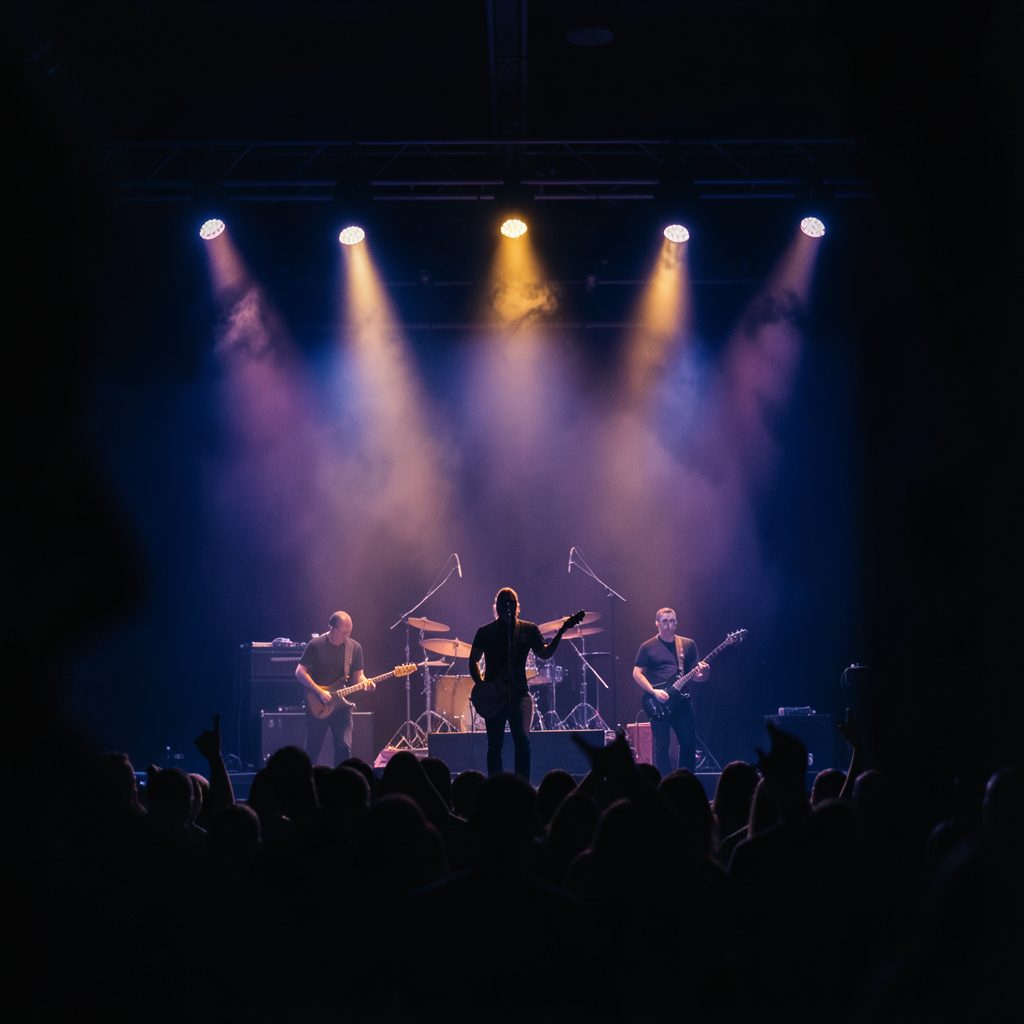
The conversation started in a Brisbane backroom pub, halfway through a soundcheck. A mate threw on a vinyl record of an obscure 1970s thriller soundtrack to fill the silence, and within minutes the room had gone quiet. The composer meant nothing to us, yet the way that score held tension for nearly four minutes without a single lyric felt like a masterclass in restraint. By the time we packed up that arvo, we had scribbled more notes about orchestration than we had about our own songs.
It would be easy to call that moment a fluke, but the record kept pulling us back for the rest of the tour. Between set changes at the Enmore and late drives past the Gold Coast, we kept asking the same question: what if we wrote the way this score breathed? Not with a full orchestra, but with that same patience, that same willingness to let a song sit in a single mood longer than a chorus usually allows.
This is the story of how a piece of music written for a film almost no one saw ended up shaping the way Saving Abel approaches a new record. Part technique, part stubbornness, and partly about learning to slow down in a market that often rewards the opposite.
The Night Everything Shifted in Brisbane
The pub was the kind of joint where the carpet sticks to your shoes. We had finished loading in for a show at The Tivoli, and our sound tech, a bloke named Callum from Adelaide, pulled out the record as a joke. "Trust me," he said in that flat Australian drawl, "just give it a minute." The cue opened with a low cello drone, then a single French horn, and a brushed snare that crept in like footsteps. Within two bars we had stopped talking.
What hit us first was the pacing. The track built for nearly five minutes before any real melody arrived, and even then it was so understated it almost felt like an apology. The score trusted the listener to lean in and do some of the work.
What a Composer Taught Us About Tension
Once the shock wore off, we started dissecting the techniques. The composer used long, sustained notes as scaffolding, then built subtle counter-melodies underneath, almost like a conversation between two characters who refuse to look at each other. Dynamic swells rose and fell like breathing, and silence was used as deliberately as any instrument. We had been treating silence as dead air, when really it was a tool we had been ignoring for over a decade.
We started experimenting on the spot, looping a drum break and layering a single sustained guitar note underneath Jared's vocal. By the time we headed out for a kebab in Fortitude Valley, we had a folder of voice notes that would shape the next several months of writing.
| Element | Our Old Approach | Our New Approach |
|---|---|---|
| Song length | Tight 3:30 pop structures | Extended 5–7 minute builds |
| Use of silence | Treated as dead air | Treated as a featured texture |
| Lead instrument | Layered guitars | Single voice or bowed instrument |
| Build pattern | Constant escalation | Plateau, drop, then quiet rise |
Rewriting a Chorus with Cinematic Breathing Room
Back home, we started rewriting a chorus that had been giving us trouble. The original was loud, anthemic, and frankly a bit obvious. The new version stripped the rhythm guitars out for the first eight bars, leaving only a piano line and a low organ pad. Jared sang the chorus almost as a whisper at first, then let it build into full voice over two minutes, mimicking the slow unfurling we had heard in that Brisbane backroom.
Our rhythm section had to learn how to sit still. It was not unlike playing a Melbourne venue at 2am when a quiet moment hits harder than any shout. Once we locked into that feeling, the song transformed into something bigger than the sum of its parts. We had stopped trying to out-rock the moment and started letting the moment do the work.
Recording Choices Borrowed from the Score
The record was tracked in a converted church in regional Victoria, where the natural reverb in the rafters gave every vocal a kind of cathedral glow. We borrowed recording techniques straight from orchestral practice:
- Distant room mics placed around the drum kit
- Ribbon mics on rhythm guitars
- A single vintage condenser on the lead vocal
- Natural reverb from the recording room itself
A friend in Adelaide lent us a lap steel that anchored an entire verse. A cellist from a touring indie band joined us for two days and added low-end countermelodies that filled the same role the French horn had played in the original score. None of these were flashy additions. They were all about colour, supporting the lyric rather than competing with it.
Lessons from the Composers We Returned To
The film composers we kept returning to shared a refusal to explain themselves too quickly:
- Bernard Herrmann used pizzicato strings to build unease in Hitchcock films
- Ennio Morricone leaned on silence, whistle, and single trumpet lines
- John Williams built leitmotifs that return like old friends across a saga
- Mica Levi trusted dissonance over resolution in modern British film work
That philosophy, more than any specific chord or instrument, has coloured how we approach a song now. We are not trying to score films, but we are trying to write music that behaves like it could. It has shifted how we think about dynamics, arrangement, and even the order of songs on an album.
What Australian Crowds Taught Us About Pacing
Touring Australia has always been its own strange education. Australian audiences are famously patient with a slow build, particularly in regional rooms like the one in Byron Bay where the ceiling fans seem louder than the PA. They will sit through a long instrumental intro if they sense the band is going somewhere, and reward restraint with a roar that hits twice as hard because it has been held back.
We have learned to read a room the way a film composer reads a scene. The new material has played best at late-afternoon outdoor slots on the festival circuit, where the light is doing half the work and the band just has to commit to the mood. Fair dinkum, it is hard to ask for a better canvas than a golden hour set in front of an Australian crowd.
Where the Next Album Goes From Here
The next record is already taking shape, and the film score influence is still the through-line. We are talking to a Brisbane-based arranger about writing string parts for three tracks, and we are planning to record a few of the songs live to tape in a small hall in Hobart. There is a temptation, as always, to swing back to the loud, guitars-forward sound that put us on the map, and we will probably land somewhere between the two extremes.
What we will not do is forget the lesson from that Brisbane backroom. Music does not have to grab a listener by the throat to leave a mark. Sometimes a single sustained note, a breath of silence, or a slow orchestral build can do more than a wall of distortion. If you have not already, come catch a set on the next run through Australia, pick up a copy of the new record at the merch table, and let us know what you hear in it. The score is still playing, and we are still listening. No worries if it takes a few spins to land, that is half the point.