When the stage comes with a rulebook
Touring a country as vast and varied as Australia means the rulebook changes every time the truck pulls into a new city. From the sticky-carpeted pubs of Melbourne's inner suburbs to the grand theatres of Sydney, each room carries its own expectations. Over the years, our crew has collected a folder of do's and don'ts that would fill a small phone book. But one rule, enforced in a single venue, stands out as the most venue-specific instruction we have ever received.
It was not the usual "no pyrotechnics" or "no moshing near the bar" notice. It was something far stranger, tied directly to the architecture and the neighbourhood surrounding the building. We have played converted churches, old cinemas, and even a refurbished wool store, yet nothing prepared us for the list of conditions handed to us at the soundcheck.
Most fans never see the rider beyond the stage plot, but every venue has its own personality shaped by local councils, fire codes, and noise regulations. Australia takes these matters seriously, and we have learned to read between the lines of every contract we sign. The rule we want to share sits right at the top of that list of unforgettable moments.
The night the power cut out
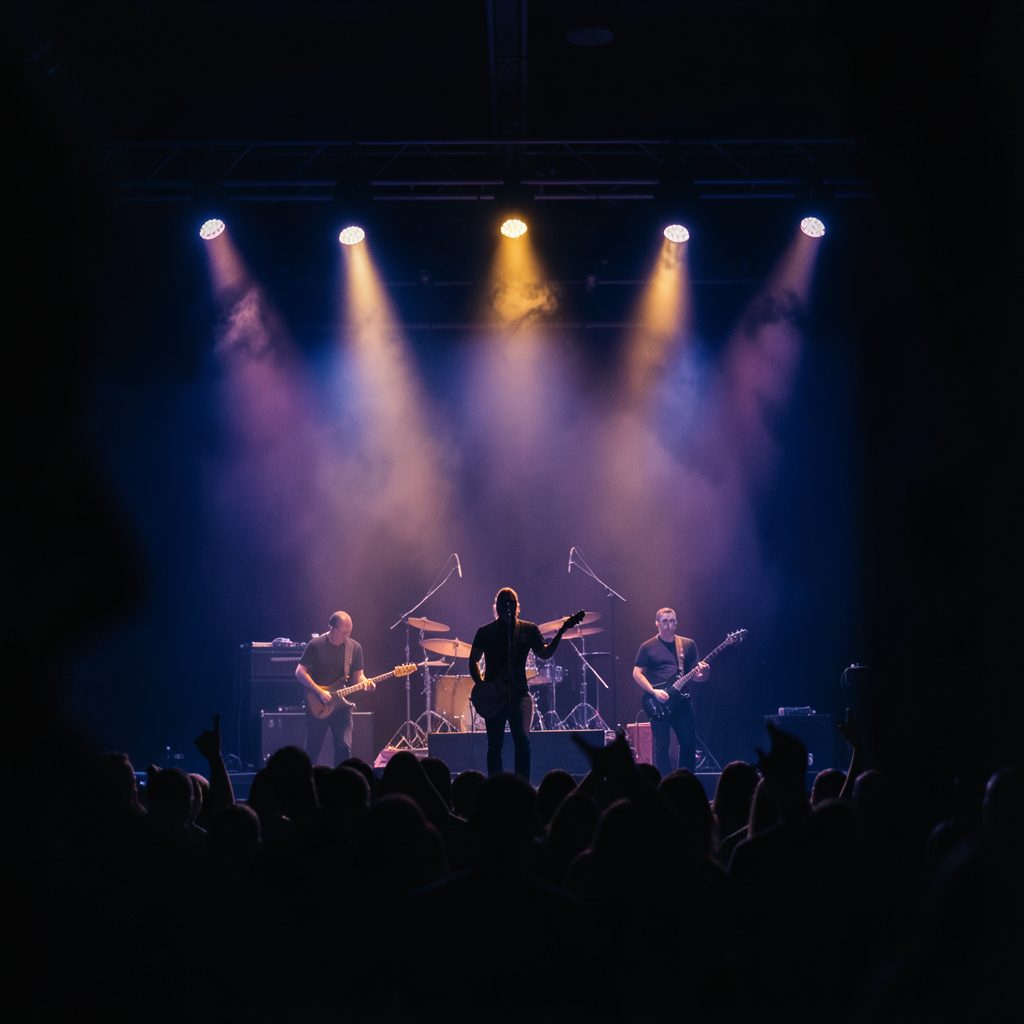
The first time we walked into the venue, the promoter pointed to a small black box mounted near the front of house desk. It was a strict noise limiter, calibrated to the decibel level allowed by the local council. If the mix went above 90 decibels for more than a few seconds, the box would cut the power to the stage, leaving the band in literal darkness. There would be no warning, no ramp down, just silence.
We were in a suburb of Sydney where the residential streets press right up against the venue walls. The local council had received complaints years before, and the limiter was the compromise that allowed live music to continue at all. Our sound engineer spent the entire afternoon walking the room with a meter, adjusting the mix so the loudest songs would barely brush the threshold.
Halfway through the second song of the set, the box clicked. The stage went black, the PA went silent, and a polite voice over the intercom asked us to keep the level down. The crowd thought it was a joke. We knew it was the rule doing exactly what it was designed to do. You can read more about that wild night in our journal entry on our most rock and roll moment.
Melbourne's heritage halls
Melbourne treats its old buildings like living museums, and the venues reflect that. We have played halls where the original 1920s plasterwork cannot be touched, meaning no nails, no tape, and certainly no gaffer on the walls. Lighting rigs must be freestanding, and cables have to run along the floor in cable covers that match the carpet.
The city council inspectors can show up unannounced, and fines for damaging heritage features are steep. We learned to bring soft-sided cases and to wrap every cable in coloured tape that blends with the venue's colour scheme. It is a slower load-in, but the rooms sound incredible because the architecture was designed for acoustic performance long before electricity arrived.
Brisbane's fire code and the exits
Queensland has some of the toughest fire safety regulations in the country, and Brisbane's mid-sized rooms enforce them without exception. Every cable running across a doorway has to be ramped and taped down. Fire hoses must remain visible, and the clearance around every exit sign cannot be blocked by a single merch box.
Our crew has a pre-show checklist now that includes walking the venue with a tape measure, confirming the exit paths are clear. It feels a little like a fire drill, but after seeing how quickly a room can fill with smoke during a real incident, the rules make perfect sense.
Adelaide's curfew clock
Adelaide has long enforced strict curfews on outdoor and inner-city venues, often ending amplified music by 11pm on weeknights. The first time we played a festival there, we were asked to condense our usual ninety-minute set into seventy-five minutes and finish before the clock struck the curfew.
The local audience respects the rule, and the early finish means the streets clear out before the late-night venues take over. We have grown to love the discipline. It pushes us to write tighter arrangements and to make every song count before the power goes off for the night.
Comparing the rulebooks
Different cities, different rules. Here is how a few of the most common restrictions stack up against each other.
| City | Common restriction | Why it exists | Impact on the show |
|---|---|---|---|
| Sydney | Noise limiter cutting power at 90dB | Residential density and council complaints | Sets a hard ceiling on stage volume |
| Melbourne | No alterations to heritage interiors | Heritage overlay laws | Limits rig options and load-in time |
| Brisbane | Strict exit clearance and cable management | Queensland fire safety code | Adds time to setup and breakdown |
| Adelaide | Curfew ending amplified music early | Local council licensing rules | Shortens set lengths on weeknights |
Bringing it all back home
Every scar on a road case and every note on a setlist has a story behind it, and most of those stories start with a rule we had to learn the hard way. Touring Australia has made us better musicians, better crew, and far more respectful of the spaces we get to play. If you want to see how we turn these restrictions into unforgettable nights, grab a ticket to the next show and bring your loudest voice. And if you want to frame a piece of that night on your wall, picking the right frames is a great place to start.