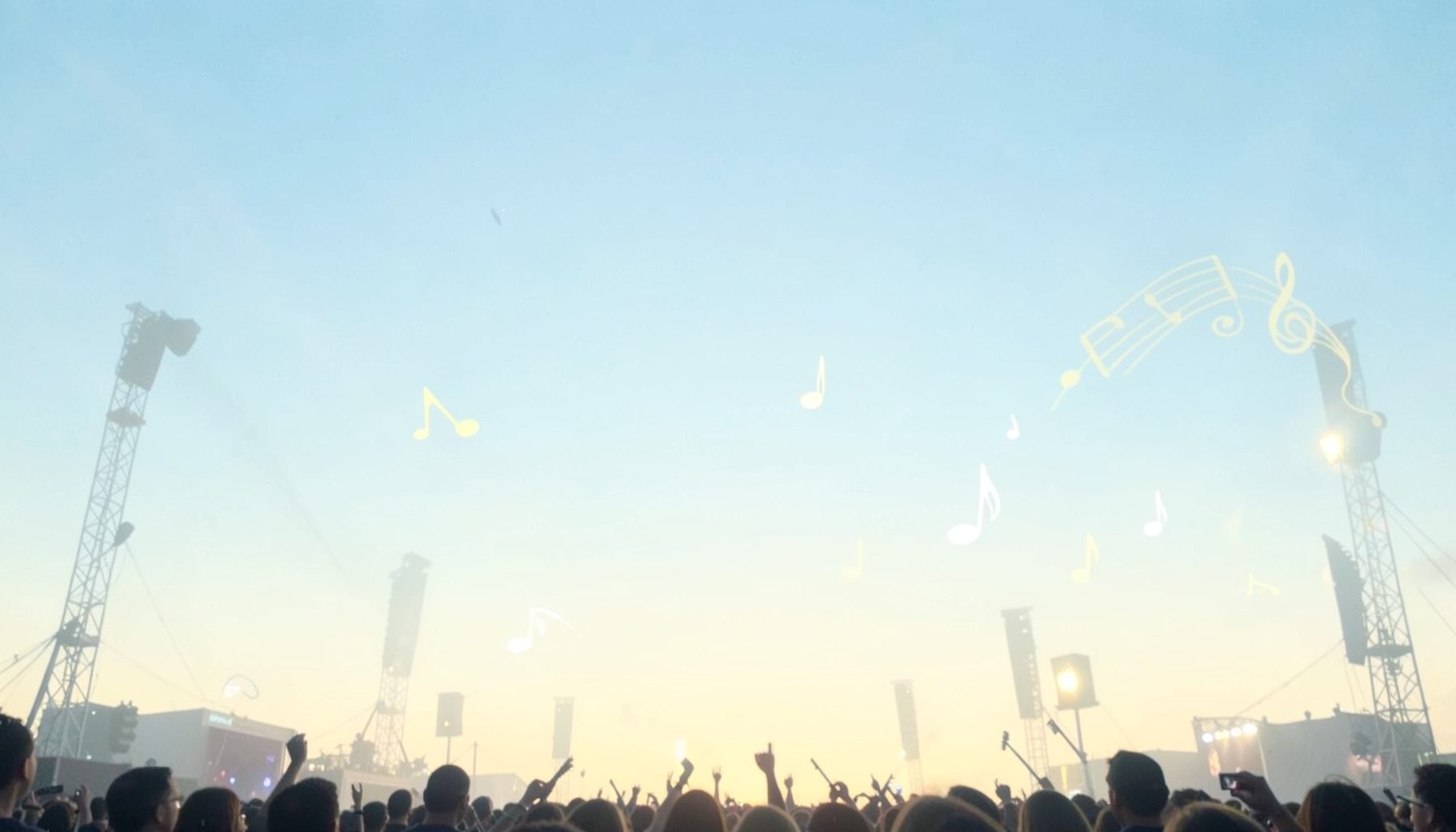
When an Unreleased Song Captures the Room
A band can learn more from one unplanned live reaction than from weeks of studio debate. When Saving Abel tests a new track before release, the first roar, singalong or sudden silence can reveal whether the song has genuine emotional pull.
The best crowd response to an unreleased song is rarely just loud applause. It may be a packed room leaning towards the stage, phones held high during the chorus, or fans asking for the title before the final note fades. Those details show how a fresh song connects beyond its recorded polish.
The Moment A New Song Takes Hold
An unreleased track has a special advantage: nobody in the audience knows what should happen next. Every riff, vocal change and chorus arrives without the expectations attached to a familiar single. That uncertainty can create a powerful sense of discovery.
For a rock act, the strongest reaction often builds in stages. Heads begin nodding during the opening groove, voices rise when the hook returns, and the room gets louder after the last chord. A spontaneous “one more time” from the crowd is a clear sign that the song has made an immediate impression.
Why Live Testing Matters
A studio recording can make a song sound precise, but a live performance exposes its physical energy. Saving Abel can hear whether the chorus carries across a venue, whether the verses leave space for audience participation, and whether the arrangement keeps momentum between sections.
This matters when a band is developing upcoming recordings. A song that works in headphones may need a heavier drum entrance or a simpler vocal line to succeed in a crowded venue. Real-time crowd response gives musicians useful evidence before a final mix, artwork and release campaign are set.
Reading The Australian Room
Australian audiences often reward directness. At a Sydney venue such as the Enmore Theatre, fans may respond quickly to a strong riff, while a Melbourne crowd might stay measured until the chorus proves itself. Once the room is won, the reaction can become remarkably warm and energetic.
Touring here also means accounting for long distances between major markets. A band moving from Brisbane to Sydney, Melbourne, Adelaide and Perth is working across different venue sizes and travel demands. A new track that survives those changes has stronger live potential than one that only succeeds in a familiar home market.
There is also the language of the room: a loud “mate,” a quick “how good was that?” near the merch stand, or fans discussing the hook over a post-gig arvo drink. Those informal reactions can be as revealing as formal surveys.
What Fans Remember Afterwards
The most valuable response often continues after the performance. Fans may search for lyrics, share a shaky phone clip, tag the band on social media or ask when the song will be available. That behaviour turns a fleeting concert moment into measurable interest.
For audiences who enjoy discovering emerging music and fan-led entertainment, new music communities can also show how quickly excitement travels online. A strong reaction does not require a finished single; sometimes the mystery around an unreleased chorus encourages more discussion than a full promotional campaign.
Turning Noise Into Useful Feedback
Volume matters, but it needs context. A polite cheer may reflect loyalty to the band, while a sharp jump in energy at a particular lyric suggests that the song itself has connected. The musicians can compare reactions across nights instead of relying on one spectacular show.
A simple post-performance review can track where the crowd moved, when phones appeared, which words were repeated and whether fans returned to the merch area asking about the track. Australian ticket buyers are careful with entertainment spending, so sustained interest after the show can indicate genuine value in the release.
Signals That Point To A Future Favourite
The clearest signs combine emotion, memory and action. If people remember the chorus without hearing it again, discuss the song on the way out and request it at the next show, the unreleased material may already have a place in the setlist.
| Crowd signal | What it may reveal | Useful next step |
|---|---|---|
| Loud response after the chorus | The hook has immediate impact | Keep the chorus prominent |
| Fans singing on the second pass | The melody is easy to remember | Consider an audience-led live ending |
| Quiet attention during the verse | The story or vocal delivery is holding focus | Protect the space in the arrangement |
| Requests at the merch stand | Interest continues beyond the venue | Share a release window or teaser |
| Clips and tags appearing online | Fans want to spread the moment | Post an official live excerpt |
A memorable first reaction can shape the song’s future without replacing artistic judgement. Saving Abel can use the evidence to refine the arrangement, protect the emotional core and build anticipation for the finished recording. Fans can follow the band’s official news, tour dates, photos and merchandise updates to stay close to the next stage of the song’s journey.