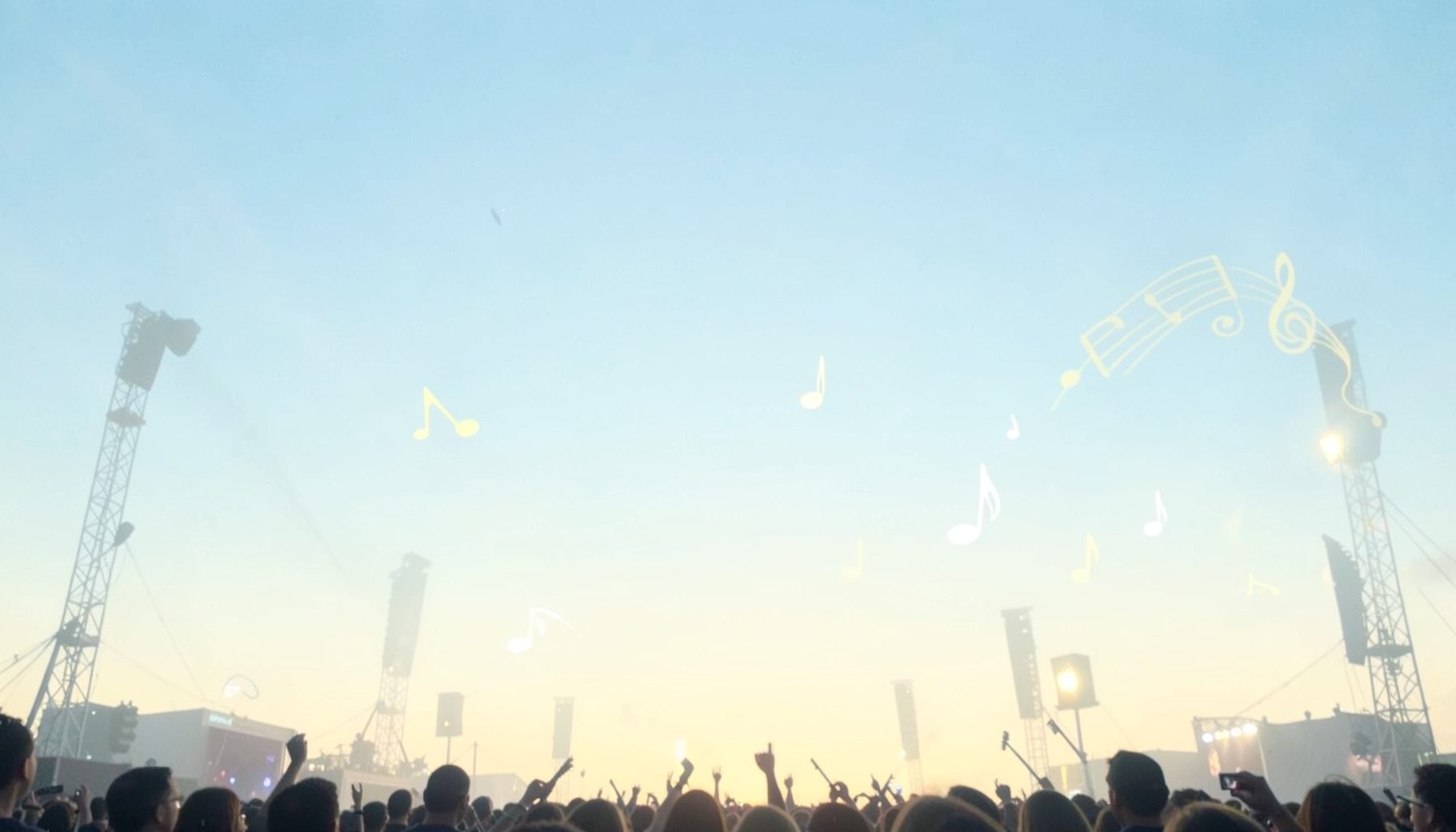
Why we still love playing our oldest songs every single night
Some nights, halfway through a set under stage lights, the guitars drop into that opening chord and the room turns into one enormous choir. That moment is exactly why Saving Abel still reaches for tracks written well over a decade ago. They are the songs that made the band what it is today, and they hit as hard in 2025 as the first time they left a rehearsal room.
Every encore is a quiet thank-you to fans who stuck around through lineup shifts, label changes, and the long drives between outback towns and coastal capitals. Playing the oldest songs is less about nostalgia and more about recognising how those tracks shaped Saving Abel's identity on stage and in the studio.
The energy hits different when that opening riff plays
A particular rush runs through the band when the first power chord rings out and the audience instantly finishes the lyric. It happens in Brisbane one night, then Perth the next, and the reaction feels identical each time. The connection those early tracks create is something newer songs are still trying to match.
The crowd becomes the seventh member of the band in those moments, carrying melodies written in a tiny rehearsal space years ago. Their voices blend with ours in a way we never fully anticipated, and that shared sound keeps us reaching for those songs set after set.
How those tracks got written years ago
The earliest material came together in cramped rooms with borrowed amps and a sense that anything could happen. There were no expectations, no radio strategy, and no plan beyond finishing a demo before rent was due. That rawness is still embedded in every bar of the songs we play tonight.
When we revisit those records, we remember where we were and what we were trying to say. Some lyrics were scribbled on receipts during odd shifts. Others came together at three in the morning after gigs at local pubs. Bringing them back on tour feels like opening a time capsule in front of thousands.
Touring through Australian venues has changed everything
Australia is a country where you can drive ten hours between shows and still be in the same state. Saving Abel has played the inner-west pubs of Sydney, the sticky-carpet rooms of Melbourne, and the open-air stages of regional Queensland. Each stop treats the older tracks like old mates turning up at a barbie.
Australian audiences have a way of making themselves heard. They sing loud, shout requests between songs, and bring a mateship energy that turns a venue like The Metro or The Triffid into something closer to a family reunion. Playing the catalogue here reminds the band that those early songs crossed into homes far beyond where they were written.
The sound that built our identity
The signature tone came from a handful of pedals, a temperamental amp, and a drummer who refused to play anything softer than full tilt. That sound is stitched into the older songs and gives them a character that's hard to fake in the studio.
| Track era | Live reaction | Studio feel |
|---|---|---|
| First EP songs | Instant singalongs from beat one | Raw, single-take energy |
| Debut album cuts | Massive crowd choruses | Layered guitars, polished mix |
| Mid-era tracks | Dedicated section sing-backs | Heavier production choices |
| Recent recordings | Curious first-listen energy | Modern production values |
Pulling those tracks out live feels like stepping back into the original version of the band, and the room responds like we never went away.
What makes the oldest songs click live
A few things set the older material apart from anything recorded since, and they show up night after night in front of an Australian crowd.
- The guitar tone is simple but unmistakable.
- The lyrics still cut close to real-life stories.
- The tempo suits a sweaty, jumping crowd.
The local context also shapes how those older songs land in Australian rooms.
- Triple J rotation helped push the early catalogue into living rooms across the country.
- Pub crawls between cities built a fan base that still turns up for encores.
- Festival slots at Homebake and Groovin the Moo introduced the band to a younger wave of listeners.
These elements don't show up the same way in the later catalogue, and that variety is part of what keeps a setlist alive.
Keeping the legacy moving through the right channels
When a song travels the way ours have, it eventually finds its way through publishing deals, sync placements, and royalty streams that help fund the next tour. Managing that side of the business has become a career in itself, and the band leans on trusted partners to keep the paperwork from eating into writing time. For artists looking to understand how royalties move behind the scenes, 4H Royalty is a useful starting point.
It's a strange feeling knowing a song written in a one-bedroom apartment now earns its keep across streaming platforms, radio play, and late-night TV spots. That ongoing income lets the band keep coming back to Australia, keep renting the vans, keep loading the gear, and keep playing the songs that started all of this.
What comes next without forgetting the roots
There is new music in the works, and the plan is to keep adding to the catalogue rather than replace it. The older songs will remain the spine of every setlist, with the newer tracks becoming fresh muscle around them.
Jump on the mailing list through the official site, grab a shirt from the merch store, and follow the socials for surprise pop-up gigs. The oldest songs will be waiting at the next show, and the band will be right there alongside them.