When Our Studio Tracks Take On A New Life Onstage
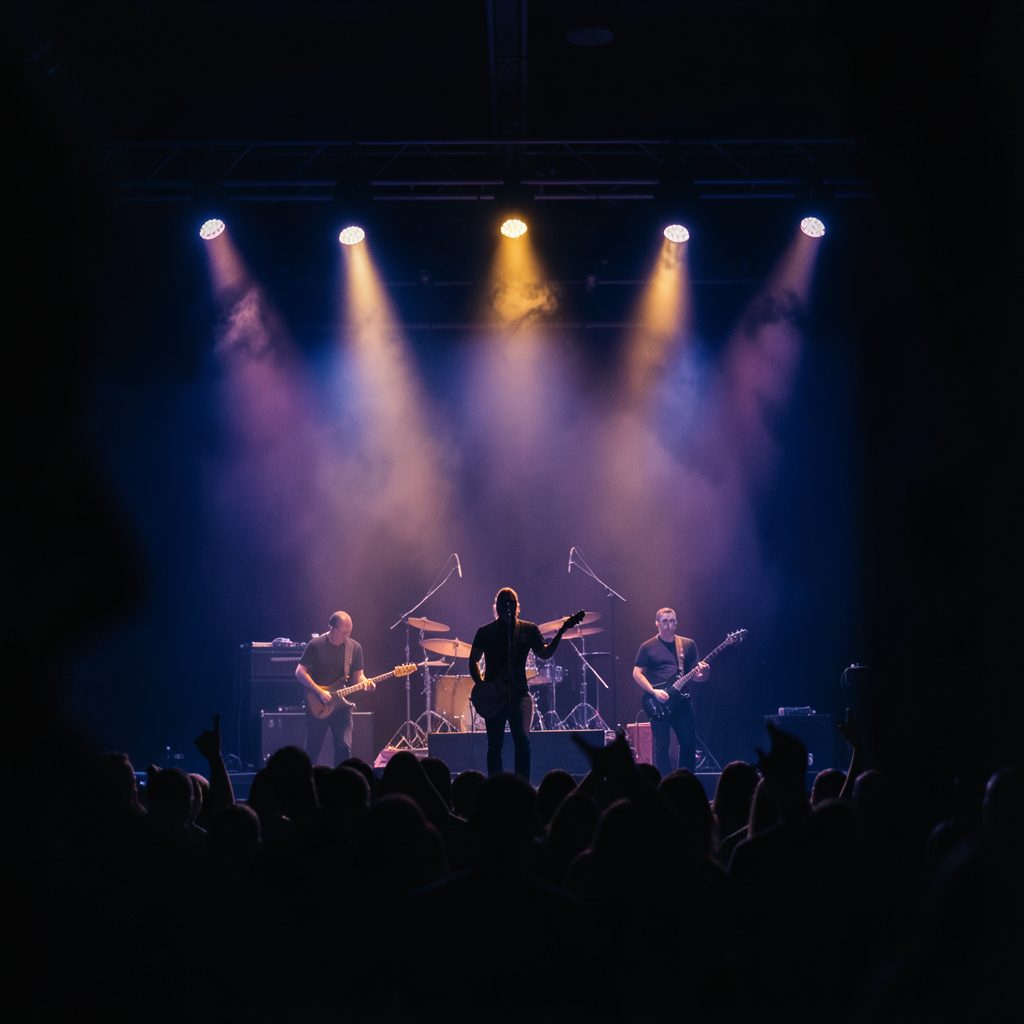
We've been asked a thousand times which of our songs changes the most once the lights go down and the crowd starts moving. The honest answer is that almost every track mutates a little once it leaves the Pro Tools session and lands in front of a room full of people who paid for a ticket, not a streaming subscription.
There is something about the oxygen in a packed room that refuses to sit still. A song can feel tight and polite on record and then balloon into something louder, looser and occasionally unrecognisable the moment a chorus gets stretched over a circle pit in Adelaide or a swaying crowd in Brisbane.
Why A Studio Recording Rarely Tells The Whole Story
A studio version is essentially a photograph. We can stack harmonies, splice in overdubs and tune every cymbal until it sits exactly where we want it. The result is polished and controlled, but it also freezes the song at a single moment.
Live performance works the other way around. Tempo stretches when the crowd gets restless. Guitar tones get cranked because the room demands more mids to cut through bodies. Even the lyrics shift slightly; Jared will trade a word here and there to keep eye contact with the first row, especially when that first row is pressed against the barrier at the Hordern Pavilion in Sydney or up the back of the Forum in Melbourne.
The Rearrangements That Surprised Even Us
"Addicted" is the obvious candidate. On record it stays in a mid-tempo pocket the whole way through. Onstage it tends to speed up by the second chorus and then settle somewhere completely different in the bridge. We didn't plan that. It just happened one night and we never went back.
"Drowning" pulls in the opposite direction. The album cut is already a slow burn, so live we let it breathe even further. We'll stretch the intro, drop a guitar solo that doesn't exist on the record and let the chorus hang in the air long enough that you can hear punters singing every word over the PA. Songs like "18 Days" and "After the Morning Comes" also pick up improvised midsections, depending on how much coffee we've had on the bus that morning.
Comparing Studio And Live Versions
| Track | Studio Version | Live Version |
|---|---|---|
| Addicted | Mid-tempo, polished mix | Faster, rawer chorus with extended guitar |
| Drowning | Slow burn with overdubbed harmonies | Stretched intro, improvised solo, crowd-sung chorus |
| 18 Days | Tight radio edit structure | Loose midsection, longer bridge |
| After the Morning Comes | Layered vocal stacks | Stripped-back verses, heavier outro |
The chart gives you a rough idea, but it doesn't capture the subtleties. Some nights "Drowning" runs almost a minute longer than the recorded version. Other nights it trims itself down to keep the set moving. The studio track is a fixed reference point; the live version is a moving target that swings with the temperature of the room and the mood of the audience.
Crowds In Melbourne, Sydney And Beyond Reshape The Songs
Australia has a habit of rewriting our setlist for us. The energy in Melbourne tends to push us towards the heavier cuts because the room leans that way before we even hit the first downbeat. Sydney is a little more diverse, with a strong mix of long-time fans and people who only know us from a Triple J rotation.
Brisbane in summer is its own beast. The heat inside a venue like The Tivoli can push the band towards shorter, punchier arrangements so nobody passes out before the encore. We have a tour horror story about an opening slot that went sideways in the best possible way, and Australian crowds always seem to bring that same loose, generous energy to the room.
Australian Venues, Licensing Laws And The Local Feel
Touring Australia means getting used to a few quirks that simply don't exist back home. State-based liquor licensing still dictates when the bar closes, and New South Wales venues once operated under lockout rules that pushed entire shows to start earlier. We've adjusted our set times accordingly, which is one reason our sets feel tighter and more focused than they used to.
Driving on the left also takes a few days to relearn every time we land. Loading gear into a van in Perth and immediately forgetting which side the driver's seat is on has become a quiet ritual. We have learned to pack extra water, because an Australian summer gig can turn a green room into a sauna, and venues from Brisbane to Adelaide now expect bands to arrive with their own climate strategy.
The Accidents That Became Permanent Features
Some of our favourite live moments started as mistakes. A dropped click track in Adelaide turned into a half-time breakdown that the crowd went wild for. A broken vocal mic in Geelong forced us to lean on the monitors, and the result was a louder, more aggressive arrangement we kept for the rest of the run.
These accidents teach us that a song is never really finished when the record is pressed. The studio gives us the bones, but the road keeps adding muscle, scar tissue and the occasional scar that looks suspiciously like a smile.
If you want to hear how these arrangements sound in your own city, jump over to the tour page, grab a ticket and a tee from the merch store, and come find out which version you end up singing on the drive home. We'll see you at the barricade.