Inside our strangest rehearsal cover attempt ever
Saving Abel has never been shy about stretching our sound beyond the usual Southern rock template, but every now and then somebody floats a cover idea that makes the rest of the room stare in disbelief. We have a running tradition of testing the weirdest material in rehearsal before it ever sees a stage. The latest contender came together during a late night soundcheck ahead of a Melbourne show, when a throwaway comment spiralled into something we are still laughing about.
The afternoon started harmlessly enough, with the van playlist drifting between sets on the way into the city. Jared had been streaming old Triple J sessions during the drive, and the Like a Version segment got him thinking about how wildly a song can be reshaped when you strip away every original intention. By the time we unloaded the gear, somebody had set an unofficial challenge, pick a track so far outside our wheelhouse that even a half decent attempt would be newsworthy.
The challenge that sparked it
We tossed around names for an hour before the first note was played, ruling out obvious crowd pleasers and anything done to death by every bar band in Fortitude Valley. The shortlist kept shrinking every time a karaoke disaster came up. Eventually the room landed on a 70s disco staple so sugary and synth heavy that none of us could picture it carrying a single distorted guitar.
The decision was unanimous, partly because nobody wanted to be the one who chickened out first. We promised ourselves thirty minutes, then another thirty, and simply lost track of time.
Picking the unbreakable track
The song in question had survived five decades of cheesy covers, none of which involved palm muted riffing or anything louder than a polite keyboard part. We picked it specifically because it sounded unbreakable, which of course guaranteed we would break it within the first chorus.
Somebody printed out the lyrics and handed them around like a contract nobody had read. The chords looked simple on paper, but the moment we tried to translate them into our usual tuning they twisted into shapes that did not quite work. That was the first sign we were in trouble, and we ignored it completely.
First run-through reactions
The first pass was even more chaotic than we had prepared for. Our drummer tried to translate the original shuffle into a half time thump, while the bass player locked into the synth bass note by note, producing a sound somewhere between a horror movie score and a busted primary school keyboard. Nobody could agree on whether the backing vocals should lean camp or creepy.
Halfway through the second run, our rhythm guitarist quietly unplugged his pedalboard and sat on his amp to watch the rest of us suffer. It felt like a vote of no confidence, but it also gave him a perfect vantage point.
The arrangement that fell apart
By the third attempt we had assembled something resembling a structure. The guitar tone swung wildly between sparkly clean arpeggios and a wall of fuzz every four bars, because nobody had noted the effects settings. Our drummer gave up fighting the click track and played in a time signature that did not exist in the song.
We kept it anyway, because at that point the exercise had become about capturing the mess rather than cleaning it up. By evening we had something that resembled a song the way a sausage roll resembles fine dining.
Why it never made the setlist
We all quietly agreed the track would never survive outside the rehearsal room. Australian venue licensing already makes it hard to nail a standard rock tune, let alone a disco cover that might get us booed off early. Live music rooms in Brisbane and Sydney have tightened up, and a surprise genre pivot would probably see us banned from a corner pub.
We considered slipping it into the encore as a joke, but the risk of half the room walking out felt too real. Sometimes the right call is to lock a track in a soundcheck vault where only the band can hear it.
When fans caught wind
Word travels fast on social media, and clips from that session leaked into our group chat within a day. The reaction split down the middle, with half the fans demanding we release the track as a B side and the other half suggesting we never speak of it again. Melbourne locals claimed they heard something strange drifting out of the venue.
The funniest response came from a regular at one of our Sydney shows who swore he had heard a snippet during a previous tour. He could not possibly have, but the confidence made it our favourite fan message of the year. We promised to never confirm or deny whether the track exists, since the mystery is funnier than the music.
The photos that tell the story
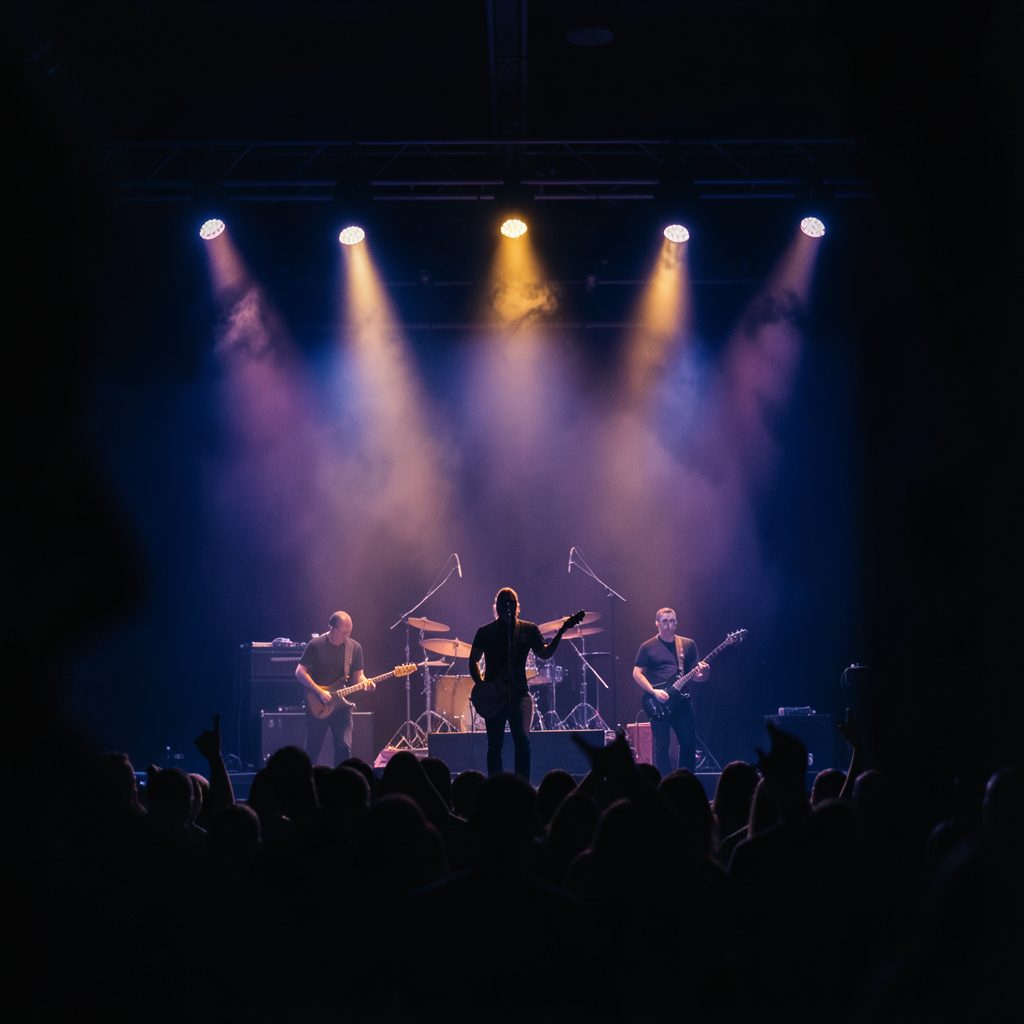
You can see the bemused looks on our faces in the event photo gallery from that session. Jared is captured mid key change holding a tambourine he did not ask for, while our drummer stares at the click track like it insulted him personally.
The photos have become a band inside joke, pulled out whenever somebody pitches another ridiculous cover idea. We have a running tally for the next contender, though nothing has come close to toppling the disco cover. Whoever breaks the record will get bragging rights and a very confused sound engineer next tour.
Want to see what else we get up to between tours? Head to the official Saving Abel site to browse merch, check upcoming show dates, and sign up for updates. Follow us on socials for the next round of questionable rehearsal experiments before they ever hit a stage.