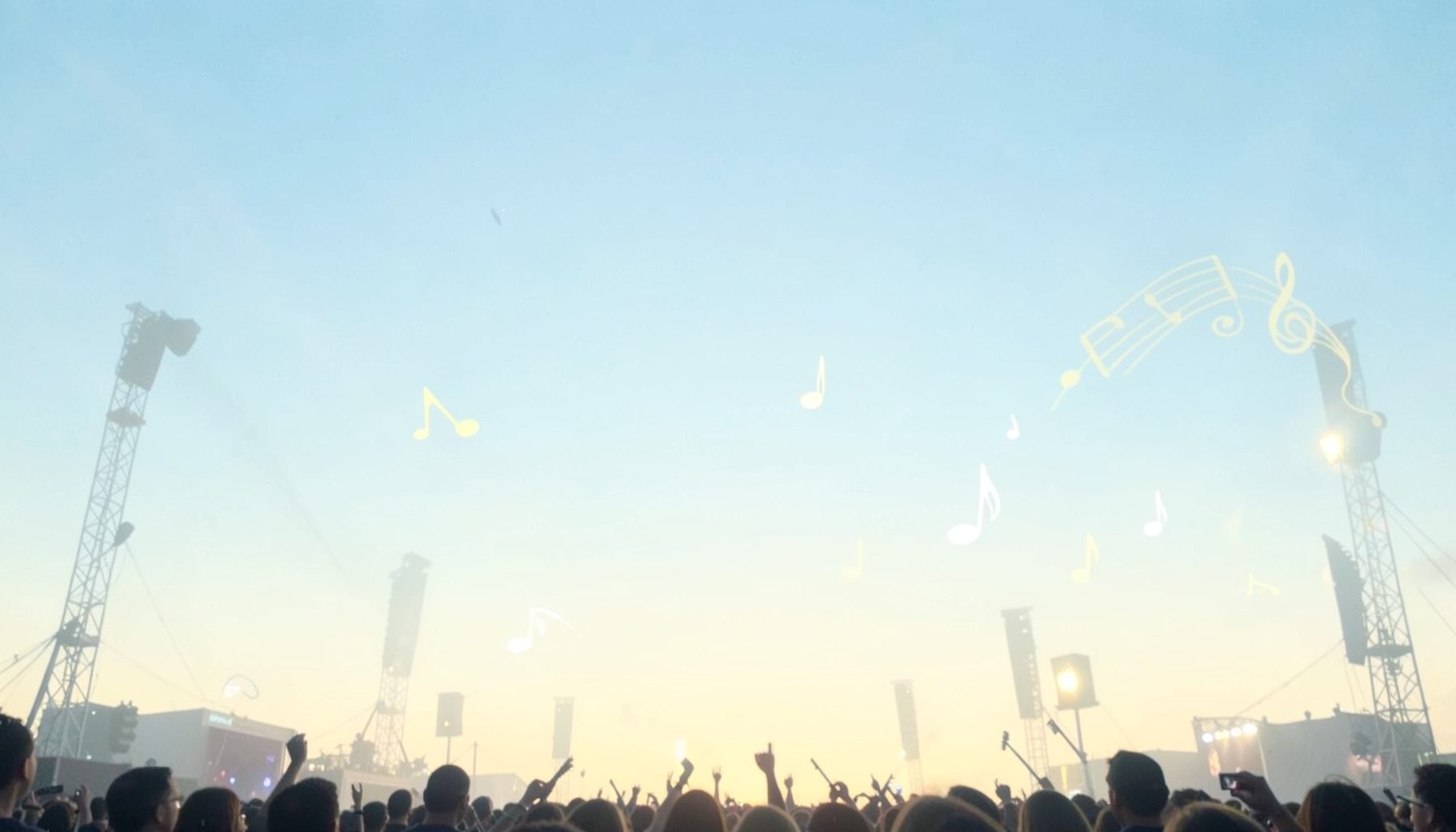
Saving Abel on why smaller rooms still hit harder than big stages
When we step onto a stage, whether it's a sticky-floored pub in Sydney or a massive arena somewhere across the world, the goal never changes. We want every fan in the room to feel like the show was built for them personally. That shared moment is the heartbeat of Saving Abel, and it's the reason we treat both intimate club nights and arena spectacles with the same level of respect and energy.
Australian crowds have a particular reputation that travels with us on every tour. From the sing-alongs that erupt in Melbourne pubs to the legendary patience fans show in Perth after long drives through the bush, we've learned that geography doesn't dictate passion. Whether you catch us at a 200-cap club or a sold-out theatre, you're getting the same setlist, the same sweat, and the same reason we started doing this in the first place.
The energy in a tight room
A club show has a kind of electricity that even the best arena sound system can't manufacture. When the crowd is pressed up against the stage, you can hear every voice hit the chorus at the exact same moment. You can see the look on someone's face when a song they grew up with comes back to life. That kind of intimacy is rare, and we never take it for granted.
There's also a rawness to playing a small venue. The acoustics might be imperfect, the stage might be a foot high, and someone in the front row might hand you a cold drink between songs. We've had Australian fans in Adelaide do exactly that, and those small gestures end up being some of the most memorable parts of any tour. You can read more about our road stories on the category news page.
Why arenas still get our hearts racing
Arenas offer a completely different kind of magic. Walking out onto a stage in front of ten thousand people who have all come specifically for Saving Abel is the kind of moment you dream about as a kid learning guitar in your bedroom. The lighting rigs, the production crew, the sheer scale of the spectacle, it transforms a concert into a full-blown event.
There's also a communal energy in a packed stadium that smaller rooms simply can't replicate. When thousands of voices hit that final chorus, you feel it in your chest. Australian arena tours, particularly through cities like Brisbane, prove that the country has an appetite for big rock moments, and we're always honoured when fans turn up hours early to claim a spot near the barricade.
Comparing the two experiences
| Aspect | Smaller venues | Arenas |
|---|---|---|
| Crowd proximity | Face to face, often within arm's reach | Shared experience from a distance |
| Sound dynamics | Raw, immediate, acoustic bleed | Polished, engineered, full production |
| Fan interaction | Direct eye contact, casual meetups | Pre-show VIPs, mass wave moments |
| Travel between cities | Fits the van culture of pub circuits | Buses, hotels, scheduled rest days |
| Onstage nerves | Friendly pressure, family vibe | High-stakes adrenaline |
Front row moments that stay with us
One of the most powerful things about a small venue show is the front row. We've had fans drive hours from rural New South Wales just to stand at the barrier, and you can see every emotion on their faces when the opening riff drops. That face-to-face connection is what keeps us coming back to clubs whenever our schedule allows.
Arenas, on the other hand, give us the chance to meet fans through proper meet-and-greet setups and signed merch moments that simply aren't possible when you're dashing back to the tour bus between songs. Both formats build the band-to-fan relationship, just in different ways.
Touring Australia and loving every minute
Australia has become a second home for us over the years. The live music scene down here is built on a foundation of dedicated venues, from Melbourne's iconic The Tote to the heritage rooms of Sydney's entertainment districts. Even with the noise restrictions that local councils enforce and the strict RSA requirements that govern every pub performance, Australian venues have figured out how to keep rock music alive in a way that few other countries manage.
We've played in regional towns where the local footy club converts into a concert venue for the night, and we've headlined festivals in capital cities where the crowd stretches back further than we can see. Each stop teaches us something new about Australian audiences, and we keep coming back because of how welcome we've always been made to feel.
What makes Australian crowds special
- The sing-along culture that erupts the second the first chord rings out
- The long-haul loyalty of fans driving from regional Queensland or the Northern Territory
- The respectful energy that keeps venues safer and friendlier than almost anywhere else
- The unfiltered reactions that tell us within seconds whether a new song is landing
Moments we never forget on tour
- The night a Brisbane bartender learned the entire setlist and shouted every lyric between pours
- A Melbourne fan who handed us a handwritten lyric sheet from a song that hadn't been released yet
- An Adelaide backyard show where the neighbours brought their own chairs and stayed for the encore
- A Perth pit stop where the front row knew harmonies our own backing singers hadn't learned yet
For the latest tour announcements, behind-the-scenes updates, and news about what we're recording next, keep an eye on our official channels. Tickets, merch, and upcoming show details are all waiting, and we cannot wait to see your faces again soon.