How Saving Abel Guards Their Ears After Decades of Loud Nights
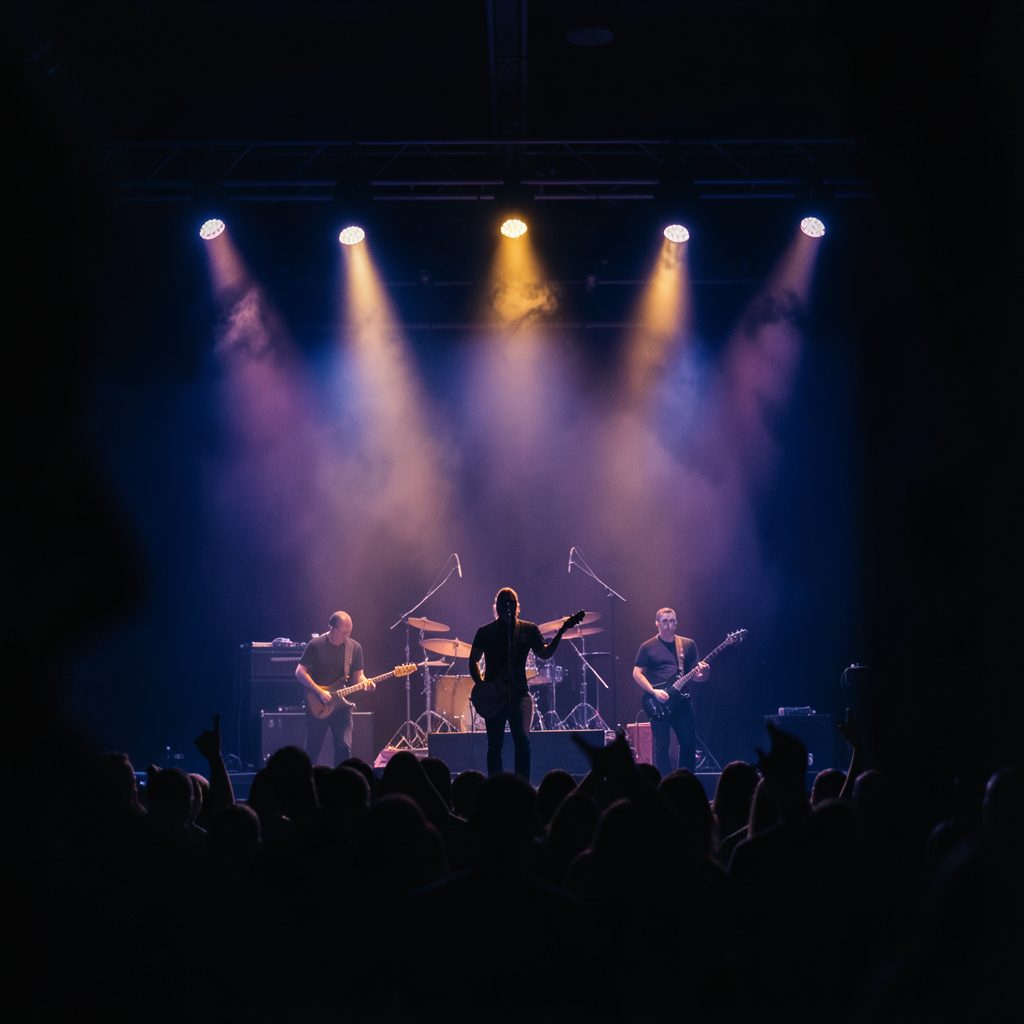
The hum of a Marshall stack, the roar of a hometown crowd, the kick drum rattling the floorboards under your boots — for years this is what a Tuesday night has sounded like for Saving Abel. From dingy back rooms in Brisbane to festival main stages in Sydney, the band has built a career on volume and energy. Yet every musician eventually meets the same quiet reality: ears do not bounce back the way a snare drum does.
Years of standing in front of wall-of-sound guitar rigs take a measurable toll. Tinnitus, high-frequency hearing loss and the dreaded "muffled after-gig" feeling are occupational hazards, not myths. For a working rock band that tours the US, Europe and Australia regularly, protecting hearing is as routine as changing strings or tightening a hi-hat stand.
The good news is that hearing protection has come a long way from the foam plugs stuffed in a back pocket. Modern gear, smarter stage habits and a few Australian-aware tricks keep the music loud and the hearing intact. Here is how the band approaches it, with practical tips any gigging musician or fan can borrow.
Why Stage Volume Is a Silent Hazard
Prolonged exposure above 85 decibels begins to damage the tiny hair cells inside the cochlea. A typical rock show in an Australian pub easily clears 100 dB at the front-of-house position, and inside the drum riser it is louder still. Australia follows the Safe Work Australia standard that caps workplace noise at 85 dB over an eight-hour average, which is striking when a single two-hour gig can exceed the recommended daily dose.
The damage is cumulative and irreversible. That ringing in the ears after a show is your auditory nerve sending a warning, and ignoring it turns temporary threshold shift into permanent hearing loss. Saving Abel treat the warning like a check-engine light: something to act on immediately rather than push through.
Custom Moulded Monitors Compared to Store Plugs
| Feature | Custom In-Ear Monitors | Off-the-Shelf Foam or Silicone Plugs |
|---|---|---|
| Cost in AUD | $400 to $1,200 for impressions and drivers | $5 to $40 at Chemist Warehouse |
| Sound fidelity | Flat response, full stage mix | Muffled, uneven attenuation |
| Comfort over long sets | Soft acrylic mould, barely noticed | Foam expands, can loosen |
| Reusability | Years with cleaning | Foam is single-use |
| Best for | Touring, studio, broadcasting | Quick fix, occasional gigs |
Off-the-shelf plugs have their place, especially for fans heading to a festival in Adelaide or a club show in Perth. But anyone playing more than a handful of shows a year should treat custom moulds like an instrument purchase: an investment that pays back every night it is used.
In-Ear Mixes and Smart Stage Levels
Switching from floor wedges to in-ear monitors is the single biggest upgrade a band can make for its collective hearing. A proper IEM mix lets each member hear exactly what they need at a comfortable level, instead of competing with everyone else's wedge. The result is a quieter stage and cleaner sound for the front row.
Saving Abel's crew regularly walks the room with a calibrated SPL meter. If levels creep past the band's own internal limit, the house engineer trims the mains rather than pushing harder. That discipline keeps the show exciting without treating the audience like soldiers on a parade ground.
Quiet Habits on the Tour Bus and at Home
Tour buses are loud too, between the road noise, the air-con and someone inevitably playing a record in the back lounge. Wearing musician's earplugs during travel gives the ears a rest block that adds up over a three-week run. Hydration helps as well, since dehydration can amplify the perceived loudness of tinnitus.
At home in Australia, summer brings its own challenge — outdoor festivals and pub beer gardens where the stage points straight at the crowd with no roof to absorb anything. A pair of filtered plugs in the glovebox means you can still enjoy the support act at a riverside venue without flinching every time the kick drum hits.
What Aussie Fans Can Steal From a Working Band
Hearing Australia and audiologists across the country offer free or subsidised hearing checks for adults who work in loud environments. A quick baseline test gives you a number to compare against in five or ten years. It is the same idea as a vocal warm-up — know where you are starting from so you can measure change.
Frequent gig-goers in Melbourne's inner north or Sydney's western suburbs will notice that some venues already hand out earplugs at the door. Take them. They cost the venue almost nothing and protect the frequencies that matter most for enjoying music for the rest of your life.
When the Volume Cannot Be Turned Down
Some gigs are simply louder than others. Outdoor festivals, bass-heavy clubs and amp-heavy support slots push the limits of any plug. In those cases the rule is simple: double up. A set of filtered plugs underneath a pair of over-ear muffs might look extreme, but for a one-off marathon day at a festival it is the safest move short of leaving.
The band keeps a small flight case of spare plugs, batteries and drivers because nothing fails at a worse time than twenty minutes before a set. That kind of redundancy feels fussy until the night you need it.
Looking After the Ringing
If your ears do ring after a show, do not panic, but do pay attention. Step away from noise for at least sixteen hours, avoid loud headphones and skip the late-night pub session. Persistent tinnitus is a reason to book an audiology appointment rather than a topic for a gig anecdote.
Saving Abel has talked openly about Saving Abel's Most Rock and Roll Moment Ever on the band's journal, and the kind of night that ends in a grin can also end in a muffled ear. Protect the ears, protect the grin, and the songs keep coming for decades.
Want the full story behind that wild night and the gear that survived it? Head over to the official Saving Abel journal, stream the new tracks and grab your tour merch before the next run of dates hits a stage near you.