The Secondhand Gear Our Crew Trusts on the Road
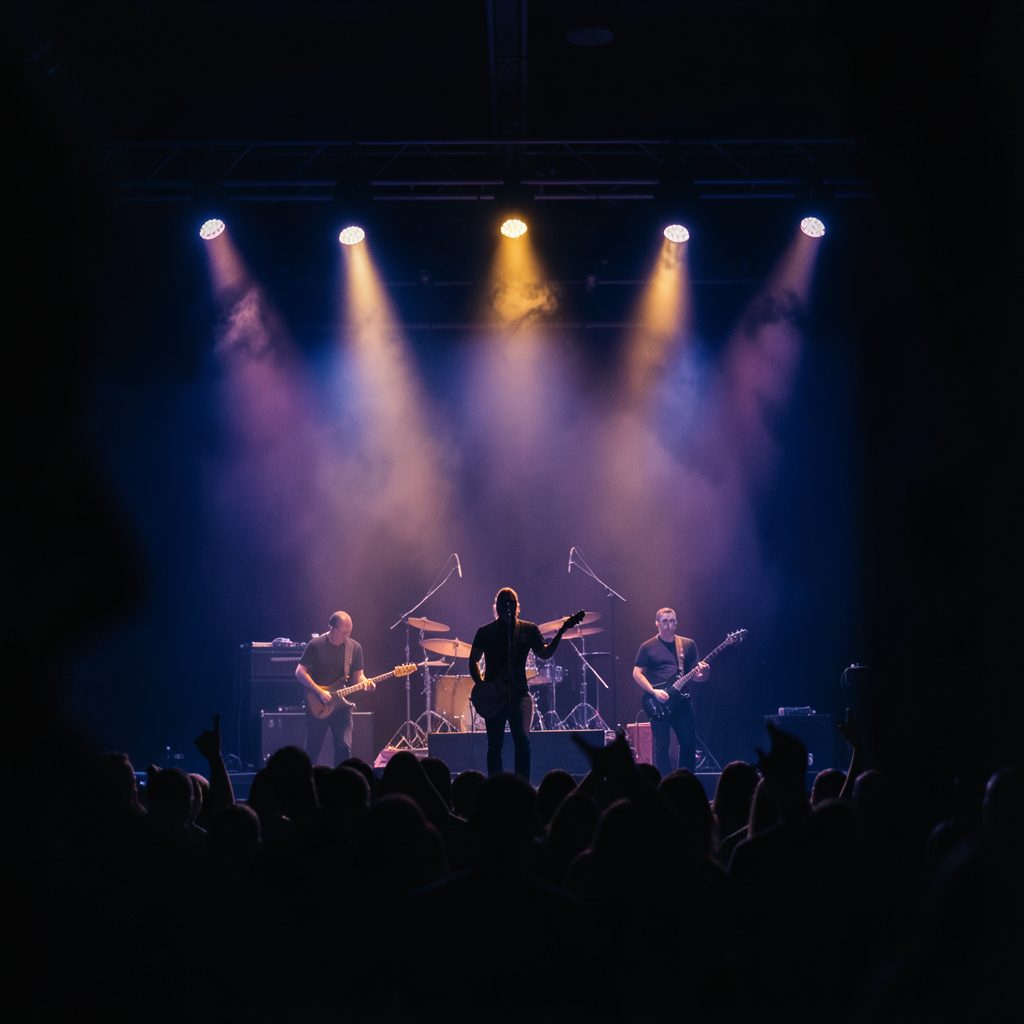
Long drives between gigs teach you what kit actually survives. Our crew has toured enough regional Australia to know that a battered drum kit, a thrashed amp, and a guitar that's seen better decades can outlast half the brand-new stuff coming out of warehouses. When the van's bouncing down the Princes Highway or threading through fog on the Calder, the gear that feels bulletproof is usually the one with a few thousand gigs already stitched into its gig bag.
Working bands can't always afford to replace everything after every tour. Pre-loved gear keeps the bank account from screaming, and the tones coming out of older instruments are often warmer, looser, and more human. We've learned to chase character over condition, finding favourites sitting in pawn shops, op shops, and dusty guitar stores from Melbourne to Cairns.
Australian touring has its own quirks. Distances are enormous, regional venues often don't carry full backline, and freight costs make it painful to ship new gear interstate. Secondhand gear solves both headaches: it's usually local, so we can chuck it in the back of the van without waiting on a courier, and it's already broken in.
The next sections walk through the pieces we'd grab again without blinking, plus how we hunt them down in a market where Gumtree, Facebook Marketplace, and the occasional garage sale are part of the touring toolkit.
Drums That Have Already Paid Their Dues
A secondhand kit is the smartest purchase a touring drummer can make. The previous owner has already taken the depreciation hit, and the shells have settled into their sound. Bass drums handle the roughest abuse, so buying used rarely backfires. Snares are a different story, but we've had luck finding steel and brass snares at suburban music shops and pawn brokers around Brisbane and Adelaide, where the trade-in cycle is constant.
| Gear type | Secondhand advantage | Risk to check | Best place to look |
|---|---|---|---|
| Bass drum | Cheaper, already broken in | Cosmetic scuffs | Local music stores |
| Snare | Aged tone, seasoned hardware | Worn snare wires | Pawn shops, op shops |
| Rack toms | Cheaper for premium brands | Possible warped edges | Facebook Marketplace |
| Hardware | Heavy-duty stands last | Loose felts, stripped threads | Estate sales |
Replacement heads are cheap, so don't write off a kit just because the heads are cooked. Fresh heads on tired shells usually beat fresh shells with factory heads.
Amps and Cabs With Stories
Tube amps age like leather boots. They develop more character with every bruise, and we've scored great secondhand valve heads for the price of a new solid-state combo. A 30-year-old 50-watt head that's been gigged weekly sounds alive in a way the showroom equivalent doesn't.
Cabs are even easier to find. Speakers loosen up, joints flex slightly, and you get a kind of compression you can't buy new. We've picked up 4x12 cabs in Newtown and at second-hand music dealers across regional NSW, often for less than half what a new cab would cost. The trick is to always gig-test before buying. Plug in, push it loud, listen for rattles or loose tolex, and trust what your ears tell you within ten seconds.
Guitars Worth Tracking Down
Pre-loved guitars carry road stories in their fret wear. We've got a strat that's lived in three different states and sounds better for it. Buying secondhand lets you choose a guitar someone else has already broken in, with action and neck relief dialled in for a gigging player.
Watch out for hidden neck resets, lifting bridges, and electronics that crackle when you touch the knobs. A good secondhand shop will let you plug into a clean amp and walk the fretboard. If the seller refuses, walk away. There are always more guitars.
Cases, Cables, and the Boring Bits
Touring breaks cheap gear first. Hard cases are the single best secondhand investment a band can make. Flight cases bought from production companies going out of business show up on Gumtree at huge discounts, built like tanks.
Cables and stands fall into a different category. We still buy new cables because the failure rate is too high, but mic stands, keyboard stands, and pedal boards have long secondhand lives. A heavy steel keyboard stand from the 90s will outlast three modern imports, and you'll find them sitting in the corner of nearly every community hall in the country.
Backline for the Regional Run
Regional Australian venues run lean. The Corner Hotel in Melbourne has a solid backline, but plenty of pubs between Hobart and Darwin expect bands to bring their own. Hiring gear locally at each stop is expensive and inconsistent, so carrying reliable secondhand kit through the whole run is the only real answer.
We've learnt to keep our rig road-tested, simple, and consistent across the country. If it works at The Tivoli in Brisbane, it works at a workers' club in Tamworth. If you've got a piece you're trying to flip or want our take on something you're considering, drop us a line through the contact page and we'll give you our honest verdict.
Smart Buying Strategies for the Road
Before you hand over a single dollar, run through a short checklist. A few minutes of caution saves weeks of headaches once you're back on the road.
- Always inspect every piece in person before paying anything
- Bring a player who actually knows the gear, not just the budget
- Budget for new heads, strings, or tubes as part of the secondhand price
- Check freight costs before committing to interstate purchases
- Keep a small repair kit in the van for inevitable first-night surprises
We're heading back out soon, and our rig is mostly the same battered, beautiful secondhand collection we've been refining for years. Share your tip, trade, or story about gear that survived your own tour by hitting us up through the website and telling us what you're playing through. The next chapter of the rig is probably already sitting in someone's shed, waiting to be played loud.