The evolution of our stage wardrobe over the years
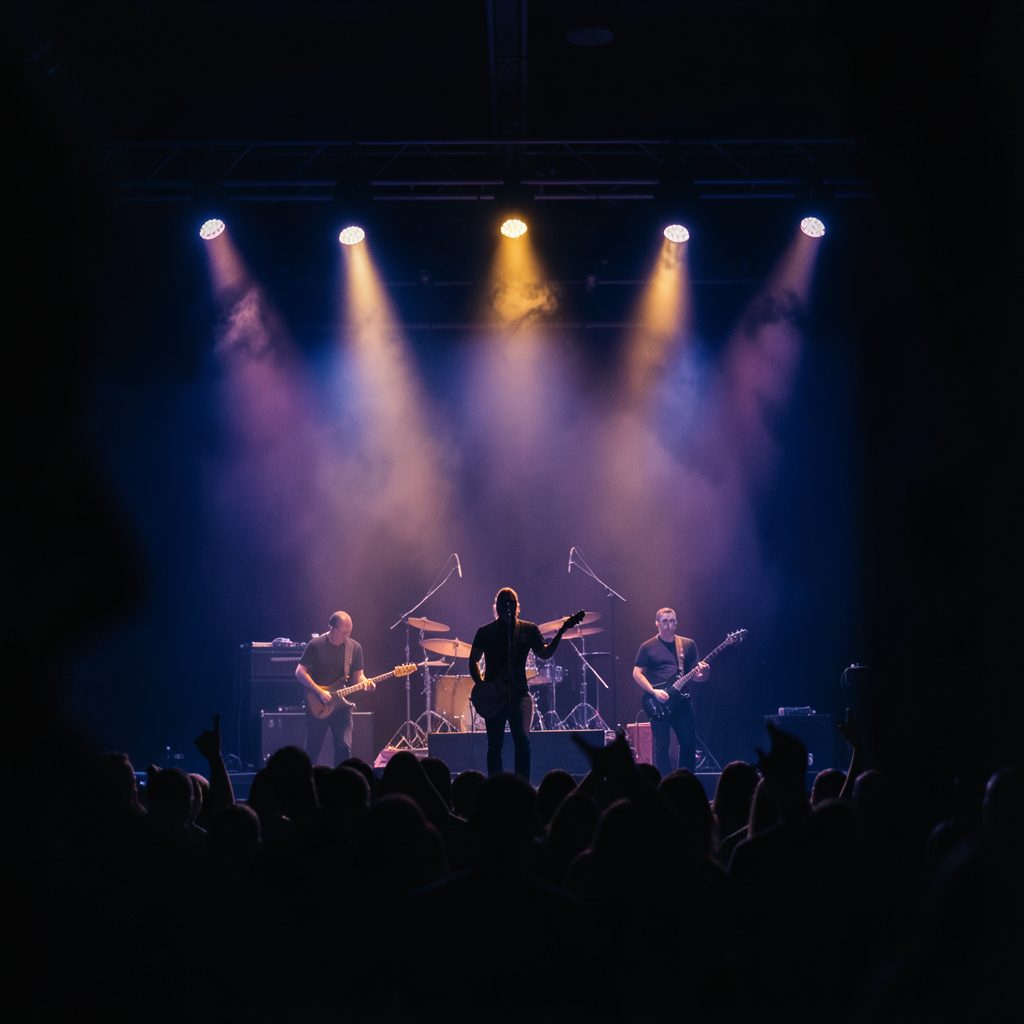
Saving Abel has always treated the stage like a second home. From cramped roadhouse gigs in our early years to thundering festival main stages in cities like Sydney and Melbourne, what Jared, Scott, and the crew wear under the lights has told its own story. Looking back at the gear, the cuts, and the small details, the journey of our outfits mirrors the journey of the band itself.
Wardrobe choices on stage tend to reflect where a band sits in their career, the climate of the venues they play, and what feels honest in front of an audience. For us, the wardrobe has shifted from thrift-store cast-offs to purposefully-built looks, and we have learned plenty from Australian crowds along the way about how clothing holds up under heat, humidity, and thousands of singing fans.
Early days and the thrifty look
When we were cutting our teeth in small clubs across the American South, the budget for "image" was basically whatever was left after gas money. Jared showed up in worn-in band tees, faded denim, and beat-up boots that had crossed a hundred smoky rooms. We were less concerned with branding and more concerned with surviving the drive between gigs.
Those early pieces were almost always picked up from second-hand shops or borrowed from friends. A leather wristband here, a skull ring there, anything to look like we belonged next to the PA stacks. There was no stylist, no manager with a vision deck, and absolutely no ironing involved.
Bigger stages, bigger looks
Once record labels got involved and the tour buses started running real routes, our stage gear began to look more deliberate. Coordinated denim jackets, fitted black tees with screen-printed logos, and matching boots became a kind of unofficial uniform. The goal was simple: people in the back of a stadium should still recognize us from the nosebleed seats.
Around this period we also started carrying backup sets for sweaty nights and accidental coffee spills. Crew members in Sydney taught us the value of quick-dry cotton blends after a particularly humid gig at the Metro Theatre. Those small lessons quietly rewrote our packing lists forever.
Touring Australia and the heat factor
Australia is its own beast on a tour schedule. December and January gigs in Brisbane or Adelaide can melt a polyester blend in under an hour, so lighter fabrics, vented shirts, and loose linen overshirts have become staples of our Australian wardrobe rotation. We have played pubs in Melbourne where the venue's smoke-free laws and RSA-trained staff keep everything crisp, and giant outdoor festivals where dust practically becomes part of the costume by soundcheck.
Some local realities shape these choices more than people realize. Australian venue licensing rules often restrict open flames and pyrotechnics near the stage, which pushed us toward flame-resistant treated shirts for big rooms. Pricing merch in AUD means a plain black tee might cost the local fan a little more than in the US, so we try to keep stage-worn pieces feeling worth that price. ARIA-chart success or APRA AMCOS airplay often changes the size of the rooms we play, which changes the costume budget in turn.
| Era | Look | Key fabrics | Iconic pieces |
|---|---|---|---|
| Early years (2004–2008) | Raw and thrifted | Cotton, worn denim, scuffed leather | Distressed band tees, fingerless gloves |
| Mainstream era (2009–2014) | Coordinated and logo-forward | Heavier cotton, coated denim, treated leather | Matching jackets, screen-printed shirts |
| Recent tours (2015–2023) | Functional and climate-ready | Moisture-wicking blends, light linen, technical knits | Vented button-ups, slim-cut boots |
| Upcoming project era | Refined and stage-tailored | Sustainable cotton, recycled poly blends, premium denim | Custom-cut jackets, signature boots |
Sustainability and smarter materials
The last few years have shifted how every band thinks about what they wear. We started asking where the cotton comes from, whether dye runoff matters, and how many disposable tees end up in landfill after a single festival run. Working with smaller label manufacturers who can re-cut leftover fabric into limited pieces has become a quiet point of pride.
There is also the practical side. Recycled poly-blend tees handle sweat better, hold their shape longer, and pack smaller in road cases. Australian audiences, who live and breathe festival culture, increasingly notice and ask about what we wear and where it is made. That conversation has made the wardrobe something we think about like an instrument.
The new EP and a fresh wardrobe chapter
Right now we are putting the finishing touches on an upcoming EP, and the visual side is part of that energy. We have been working with new cuts, deeper blacks, and a few surprises we are not quite ready to spoil. The recording side of things has its own story, and you can read more on the EP for a fuller picture.
Once the EP drops, the new pieces will hit the stage almost immediately. Expect sharper jackets, lighter boots, and a couple of nods to the old thrifted look without the actual thrift-store smell.
If you want to see the gear in person, the merch table is the fastest way. Tour dates are listed on the site, and the online store carries a rotating selection of stage pieces between runs. Catch you in the pit soon.