Keeping our sets fresh when we hit the same city twice
Touring Australia is one of those experiences that stays with you. The country is massive, the crowds are loyal, and the distances between capital cities make every run feel like a genuine expedition. When we announce dates in Sydney or Melbourne, we know some of you have been coming since the first album cycle. That history is a privilege, and it puts a quiet responsibility on us to make sure the second show never feels like a photocopy of the first.
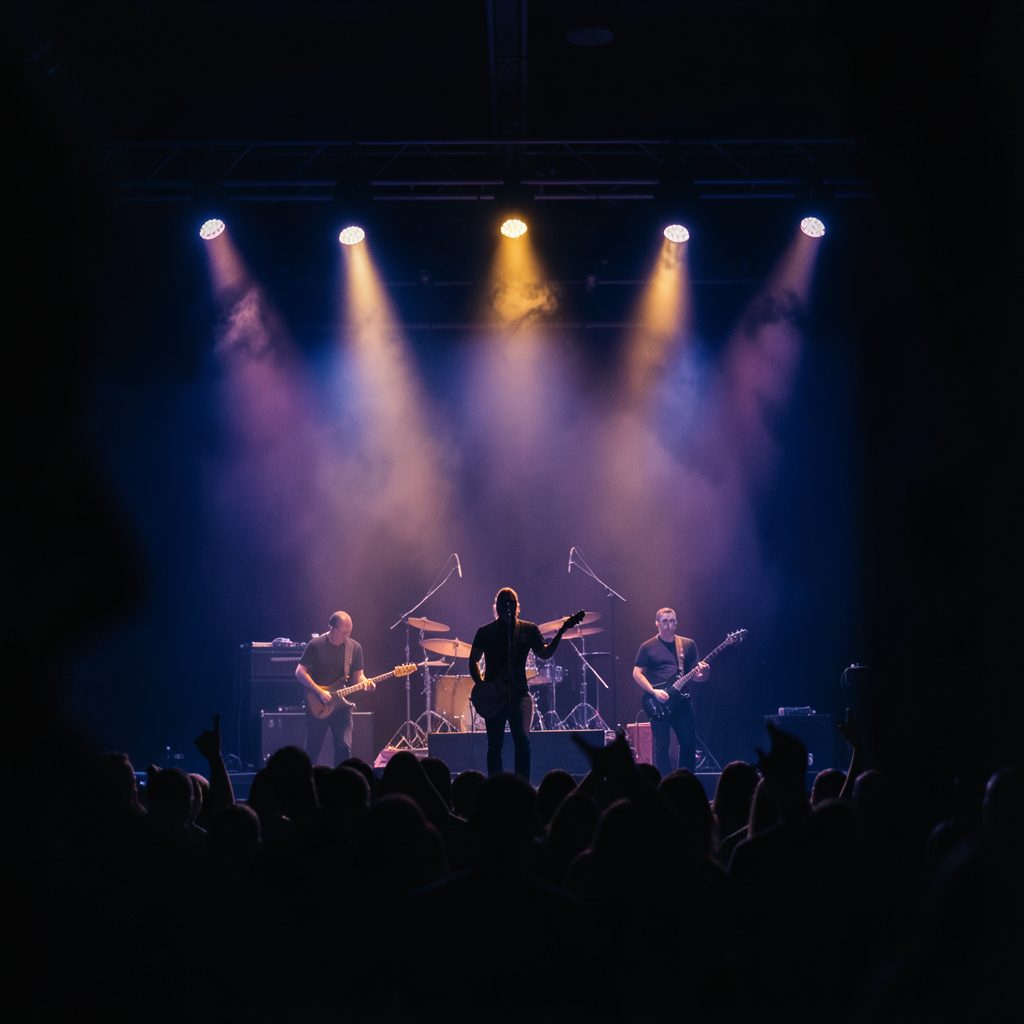
We have played the Corner Hotel in Melbourne, the Metro in Sydney, and the Tivoli in Brisbane more than once. The temptation is to copy-paste the setlist, tweak the lighting, and move on. But fans who turn up twice deserve more. So we have built a few habits to keep things interesting for you and for ourselves.
Reworking the song order for repeat crowds
Our usual pattern leans on the singles. They are why people buy tickets, and we never want to shortchange anyone driving in from the suburbs hoping to hear "Addicted" or "18 Days" up close. On a second visit, though, we push deeper tracks forward, songs like "Drowning" or "Let It Burn" that do not always make the cut.
Rearranging the running order keeps the band sharp too. Playing the same encore in the same spot night after night turns muscle memory into autopilot. We keep a spreadsheet of every setlist played in Australia and flag three or four songs we have not touched in that city yet.
| Element | First night in town | Return engagement |
|---|---|---|
| Setlist | Heavy on singles and crowd-pleasers | Deep cuts, B-sides, rearranged intros |
| Stage talk | Standard intros between songs | Stories about the city, local shout-outs |
| Merch table | Standard tour shirts | City-exclusive prints, poster variants |
| Encore | Predictable closer | Surprise cover or rare song |
Swapping venues within the same city
Sometimes the difference is the room itself. Sydney alone has given us the Metro, the Manning Bar, and a one-off at the Enmore for a festival slot. A pub show in Fortitude Valley feels like a house party where everyone is two feet from the stage. A theater in Adelaide gives us room to stretch out and play with dynamics.
When we come back to Brisbane, we deliberately pick a different postcode if the calendar allows. It changes the audience, the bar prices, the acoustics. Smaller venues pull in diehards who know every lyric. Bigger rooms bring in the curious and the casual.
Letting the local scene shape the night
Australia has a habit of swallowing you whole in the best way. Between soundcheck and doors, half the crew will disappear into a laneway cafe in Melbourne for a flat white that puts anything back home to shame. In Perth, someone always finds a servo meat pie that becomes the story of the trip. These small rituals feed back into the performance.
When Jared mentions a Byron Bay brewery on stage, or Skeeter calls out the local footy team after a big win, the room loosens up. Geography becomes part of the show. The crowd feels like we are paying attention rather than just passing through.
Reading the room and taking requests
The first night in a city, you are still feeling out the temperature. By the second visit, we have a sense of what the audience wants, and that gives us permission to experiment. Some nights in Hobart we have pulled out an old demo because three people in the front row kept yelling for it. Other times in Sydney the crowd wants a high-energy sprint, and we adjust accordingly.
That flexibility only works if we know the city a little, which is why back-to-back shows are some of our favourites. We are regulars, and regulars talk to each other in a shorthand you cannot fake on a first date.
Changing the production without breaking the budget
You do not need a bigger truck to refresh a show. Sometimes it is as simple as swapping amp positions, adding a riser for the acoustic segment, or running fog for a song that previously played dry. Small staging changes can completely shift the mood of a room.
In Brisbane we experimented with a stripped-back intro for "Beautiful Day" that became one of the most memorable moments of that tour. None of it cost much, but it signalled that we had thought about them specifically. Lighting works the same way, whether it is a red par on the drummer or a warm wash on the back wall.
Exploring between soundcheck and doors
Tour buses pull up hours before the venue opens. What we do with that time shapes the night. In Melbourne it might be a walk down to the Yarra, in Sydney a quick dip at Bondi if the surf cooperates, in Adelaide a pilgrimage to the Central Market for feta and olives.
These outings end up in the banter on stage, and they remind us that we are playing in a real place with real weather, real footy scores, and real coffee. A sunny day at Bondi puts a different spring in your step than a rainy night in Hobart, and the band plays accordingly.
Why the second show often feels bigger
There is a strange alchemy to a return date. The nerves are lower, the trust is higher, and the crowd has already decided they like you. That permission lets us take more chances, from new arrangements to debuting unreleased material. None of that would feel right on a first visit.
The encore stretches longer, the hugs at the merch table last a beat more, and by load-out we are already talking about when to come back. You get to build a relationship with a city, show by show, year by year. Check our tour schedule to see where we are headed next, and come find us in your hometown. We will save you a spot at the bar.