The Stage Light That Nearly Set Our Guitarist on Fire
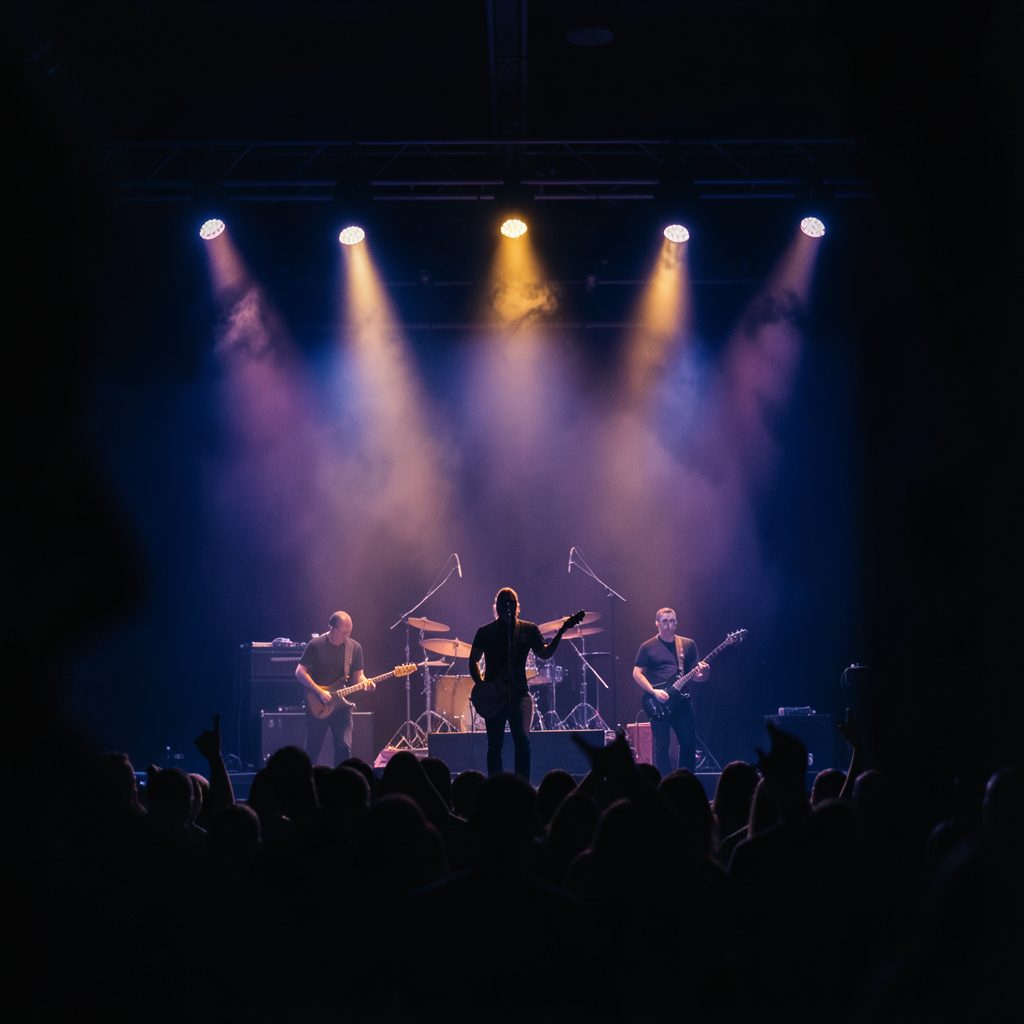
The room was hot before the first chord. Outside, a summer crowd had packed into a Brisbane venue, the kind of night when everyone arrives carrying water, checking the set time on their phone and looking for the nearest fan. Inside, the stage crew had built a bright wall of colour behind us, and our guitarist was ready to step into the spotlight.
Then the light moved. A fixture swung too low, its casing radiating heat towards the back of his jacket. He smelled burning fabric before anyone saw the tiny dark mark. One quick step took him clear, but the moment changed how we think about stage lighting, touring safety and the distance between a dramatic effect and a dangerous one.
The Heat Behind The Show
The fixture was an LED unit, but “LED” does not mean “cold”. Its housing, power supply and mounting hardware can still become extremely hot, especially after hours of operation in a poorly ventilated room. A loose clamp had allowed the light to tilt forward, putting the beam and heat much closer to the guitar strap than planned.
There was no flame, and our guitarist was not seriously hurt. Still, the scorch mark was real, and the venue stopped the changeover while the lighting operator isolated the unit. That pause mattered. A packed room in Sydney or Melbourne expects the music to keep moving, but a safe pause is better than turning a near miss into an emergency.
A Close Call Becomes A Tour Rule
After the show, we treated the incident as a systems problem rather than blaming one person. The light had been checked, the rig had been assembled correctly and the room had hosted countless performances. The failure was in the gap between those steps: nobody had viewed the fixture from the performer’s position once the full stage setup was in place.
Our updated check includes a walk across the stage in full costume, with guitars, straps and microphone stands where they will actually be during the set. We also mark safe clearance zones around hot fixtures and keep cables away from foot traffic. Australian Work Health and Safety duties make risk control part of the job, not an optional extra for touring bands.
What We Changed On The Road
A practical inspection now happens before doors open and again after the first lighting focus. That second check catches movement caused by vibration, rushed pack-ins or a fixture nudged during a soundcheck. Regional venues can have very different rooms and rigging points, so a setup that worked in Perth may need a complete rethink in Newcastle.
The lesson also applies to merchandise and fan areas. We keep exits clear, avoid placing display lights near flammable packaging and make sure temporary power leads are protected. When fans buy shirts through our online store, Australian Consumer Law supports their rights around safe, acceptable products; the same standard of care belongs backstage.
Before the band walks on:
- Check clamps, safety cables and fixture angles
- Test heat clearance with instruments in position
- Tape or cover cables across walking routes
- Confirm an emergency stop contact
During the performance:
- Watch for smoke, unusual smells or flickering
- Keep jackets and straps away from hot housings
- Report movement immediately to the stage manager
- Stop the set when safety requires it
Why Touring Conditions Matter
A lighting plot is only a starting point. In Australia, a summer festival outside Adelaide can bring heat, dust and glare, while a compact Melbourne club may have low ceilings and limited airflow. Touring also means late-night pack-downs, long drives and crews working around public transport cut-offs, which can make rushed decisions more likely.
Our week-one tour diary captures the ordinary rhythm behind the shows: loading gear, crossing cities and adapting to each room. The spectacular moments depend on those less visible details being handled properly, from venue briefings to checking that every performer knows the quickest route offstage.
The Safer Shape Of A Live Set
We have kept the big visual moments. The difference is that lighting now supports the performance without crowding it. Fixtures are positioned with measured clearance, hot equipment is identified during the briefing and the lighting operator has clear authority to dim or kill a unit immediately.
| Stage element | Previous approach | Current approach |
|---|---|---|
| Fixture position | Checked from the lighting desk | Checked from performer height |
| Heat control | Assumed from LED labelling | Measured through clearance and ventilation |
| Cable routing | Fastest available path | Protected routes away from feet |
| Incident response | Finish the song if possible | Pause and isolate the hazard |
| Venue variation | Reuse the same plot | Reassess every room |
The near fire lasted seconds, but the responsibility continues through every rehearsal, club date and festival appearance. Follow our tour updates, watch for upcoming shows and keep an eye on the official social channels for new music, photos and live announcements. Safety may happen out of sight, yet it is what lets the loudest moments land with confidence.