How a Late-Night Studio Session Created Our Signature Sound
Some of our most recognisable rock moments began after dark, when the studio had gone quiet and the pressure of the day had lifted. A late-night recording session gave us room to experiment, listen closely and follow a song wherever it wanted to go.
The idea was simple: capture the weight of a live band without polishing away the rough edges. We wanted guitars with heat, drums that pushed air, and vocals that sounded close enough to feel human.
That approach has become part of how we think about songwriting and production. The finished tracks carry the energy of a crowded room, whether they are heard through headphones in Melbourne or across a loud pub in Brisbane.
Fans can learn more about the musicians behind that sound through the band’s story, including the people who bring the songs from the studio to the stage.
When the room finally went quiet
The session started late because the best takes often arrive after the usual schedule has disappeared. Once the phones stopped ringing and the studio lights were turned down, we could hear details that had been hidden during the daytime: the ring of the snare, the scrape of a pick and the natural decay of a guitar chord.
Instead of chasing a perfect performance, we played the songs several times from beginning to end. That live-room approach created small imperfections, but those imperfections gave the recordings movement. A slightly late snare hit or a breath before a vocal line could make the whole performance feel more immediate.
Building the guitar wall
The signature guitar tone came from restraint as much as volume. We paired a driven valve amplifier with a cleaner second signal, then placed microphones at different distances from the speaker. One captured bite and midrange, while the other added space and low-end body.
We also resisted the temptation to fill every gap. Leaving room between riffs allowed the bass and drums to lock into the groove. For Australian listeners used to hearing rock in compact venues, that balance matters: the arrangement has to stay powerful without becoming a blur in a lively room.
The choices behind the sound
Every technical decision served the same purpose: preserving the feeling of a band playing together. We recorded the rhythm section with minimal editing, kept some amplifier noise and used room ambience to connect the instruments.
| Studio choice | Effect on the recording | Live benefit |
|---|---|---|
| Low-light late session | More relaxed, focused performances | Looser stage interaction |
| Two guitar microphone positions | Greater depth and texture | Fuller sound in venues |
| Minimal drum editing | Natural push and pull | Stronger audience energy |
| Vocal takes with room ambience | More human character | Easier crowd connection |
The result was a recording that could translate across the local market, from a Melbourne club date to a larger Sydney theatre. It retained enough detail for streaming services while keeping the impact that Australian rock audiences expect from a live set.
Why the vocal stayed imperfect
The vocal was recorded close to the microphone, with only light processing. Rather than remove every crack or change in tone, we kept the moments that showed effort. A rock vocal should sound like it has travelled somewhere before reaching the listener.
Several takes were combined, but the final performance was chosen for emotion rather than technical neatness. That decision gave the chorus its lift and helped the verses feel conversational. It also made the song easier to deliver on stage, where a completely controlled studio vocal can be difficult to reproduce night after night.
The details that survived the mix
The final mix was built around contrast. Quiet sections were left open, while the choruses expanded through layered guitars, wider cymbals and a more forceful bass line. This let the arrangement grow naturally instead of arriving at full intensity from the first bar.
The session also reminded us that production choices should serve the audience. Whether a track is playing through a ute stereo on the way to a regional show or through a sound system at a Sydney pub, its central hook needs to arrive quickly and clearly.
What stayed in the finished recording:
- A natural drum-room sound
- Slightly rough vocal edges
- Layered guitars with breathing space
What we deliberately avoided:
- Excessive pitch correction
- Endless digital edits
- Compression that flattened the groove
Carrying the studio energy to the stage
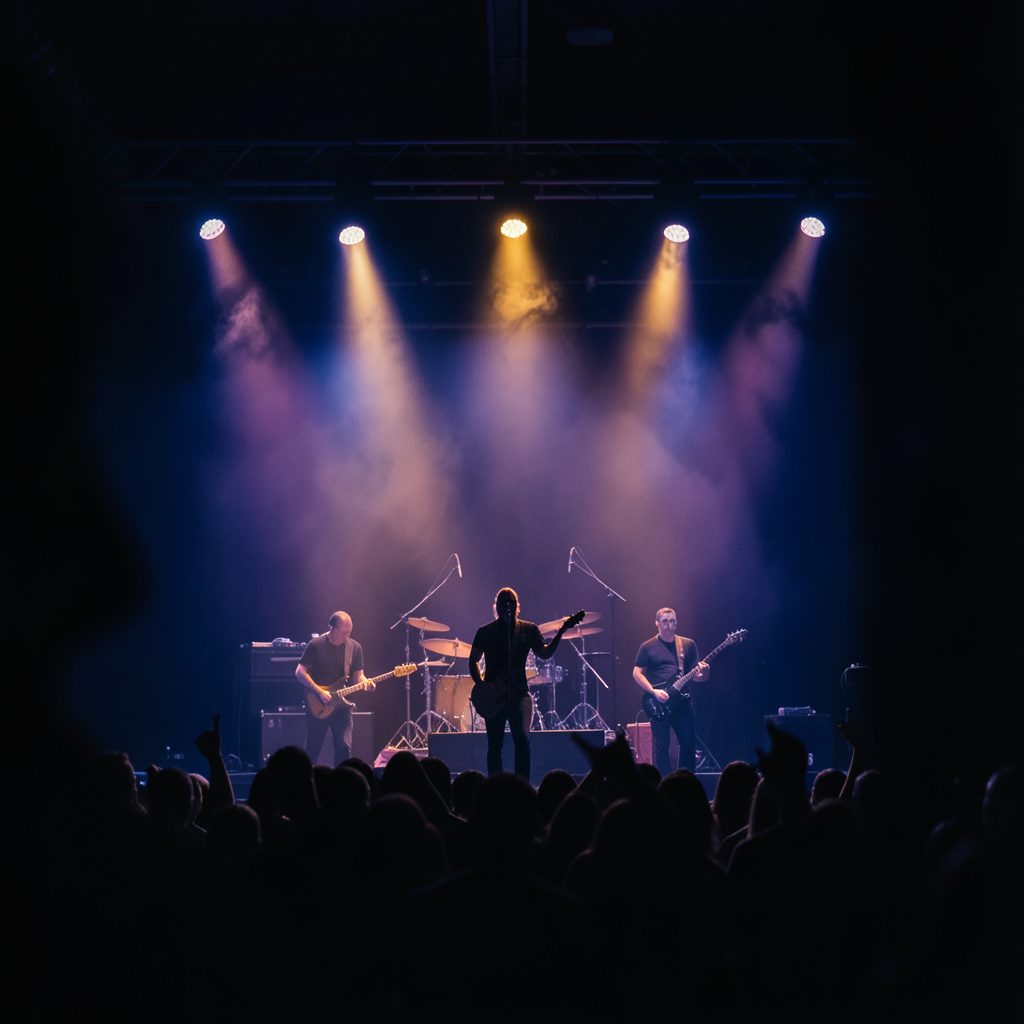
A signature sound only matters if it survives beyond the control room. We built the arrangement so the important parts could be recreated by real musicians in real time, with enough flexibility for each venue and crowd.
That means the song can stretch in a packed Perth venue, hit hard at a festival near Adelaide or settle into the close atmosphere of a smaller room. The late-night session gave us the blueprint, but live audiences continue to shape how the music develops.
Hear the tracks, follow upcoming performances and keep up with new recording news through the band’s official channels. Visit the website, explore the latest updates and make plans to experience that studio-born sound from the front row.