How we stay creative after years of touring
Years on the road can sharpen a band’s instincts, but they can also make every soundcheck, flight and hotel room feel familiar. For Saving Abel, staying creative means treating that experience as fuel rather than letting routine take over. Each show becomes a chance to listen, adjust and find a fresh angle.
Touring brings a particular kind of discipline. A song has to work in a packed venue, through a festival sound system and in the quieter moments between louder tracks. That constant movement helps us understand which ideas connect immediately and which need more time to develop.
Australian listeners know the value of a strong live set, from the pub-rock tradition in Melbourne and Sydney to outdoor shows during the summer festival season. The Australian touring circuit also rewards bands that can make every stop feel personal, whether they are playing Brisbane, Adelaide or a regional venue far from the major capitals.
Creativity after years of touring is therefore less about waiting for a lightning strike. It is about building useful habits, keeping communication honest and leaving enough room for unexpected sounds. That balance keeps new music moving while preserving the energy that brought people to the shows in the first place.
Keeping the ears open
The road gives us a moving library of sounds. We hear local opening acts, different venue acoustics, crowd reactions and the small details that make one night distinct from the next. A guitar tone that feels too sharp in one room may become powerful in another, while a slower arrangement can reveal a lyric that was easy to miss.
We also make a point of listening outside our usual lanes. New rock releases, classic records, country influences and stripped-back acoustic performances can all offer a useful spark. The goal is not to copy a style, but to notice how other artists create tension, release and emotional movement.
Turning repetition into refinement
Playing the same songs repeatedly can seem limiting, yet repetition exposes the structure of a track. We learn where the audience leans forward, where a chorus needs more space and where an instrumental section has room to breathe. Those observations can guide new arrangements without removing the character of the original song.
Live performance is also a practical test for unfinished ideas. A short riff may appear during a soundcheck, or a different vocal phrase may emerge when the band is relaxed after a show. We capture those fragments quickly, because a phone recording or rough note can become the starting point for a full demo later.
A working rhythm for new ideas
Creativity becomes easier to protect when it has a place in the touring schedule. We do not wait for a perfect block of free time; we use travel days, quiet afternoons and post-show notes to keep ideas active.
| Touring moment | Creative use |
|---|---|
| Soundcheck | Test riffs, tempos and alternate arrangements |
| Long travel day | Organise voice notes and lyric fragments |
| Afternoon off | Develop demos without performance pressure |
| Post-show reset | Record what worked and what felt different |
That flexible process matters in Australia, where long distances between cities can make a tour day feel very different from a short run through nearby venues. A long drive through regional New South Wales or a flight between Perth and the east coast can be tiring, but it can also create uninterrupted time for listening, writing and reflection.
Writing for the room
A song changes when it meets an audience. The crowd’s energy can reveal whether a chorus needs to arrive sooner, whether a bridge deserves more space or whether a quiet passage creates the strongest response. We pay attention to those moments while keeping the writing grounded in genuine emotion.
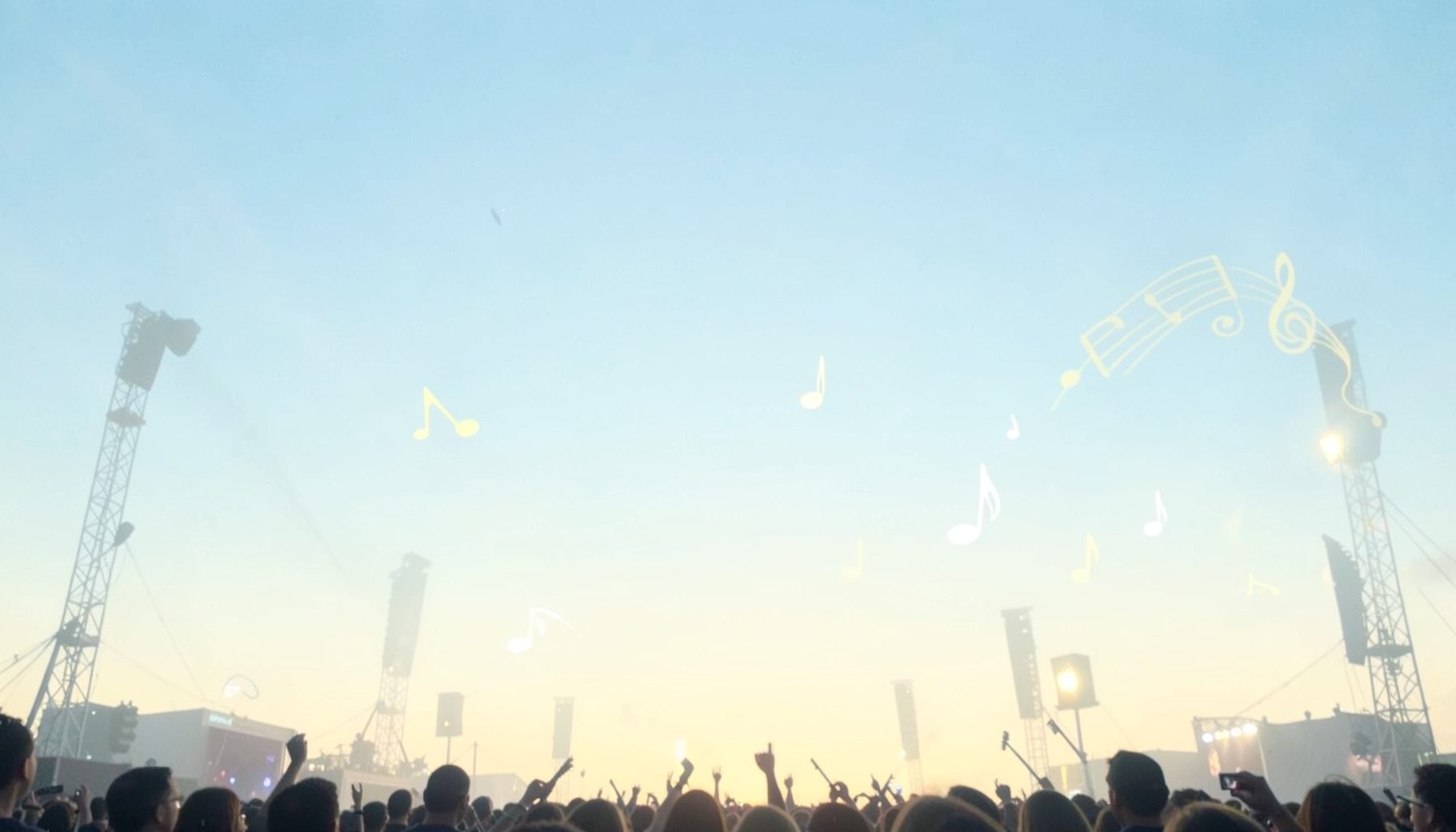
Australian venues bring their own character, too. A crowded inner-city room, a large Brisbane event or an outdoor stage under a clear evening sky each asks for a slightly different performance. Understanding those settings helps us write music that can feel direct and immediate without losing detail.
Staying connected beyond the stage
The creative relationship continues between shows. Fan messages, photos, setlist reactions and conversations after performances provide a clearer sense of what people carry with them. That connection can influence the themes we revisit and the ways we present new material.
Our official channels keep that conversation moving through band news, tour updates, event photos and announcements about future recordings. Fans with questions or ideas can also reach us through the band contact page, while the online store gives supporters another way to stay connected between Australian tour dates.
Practical habits that protect creativity
A sustainable creative process depends on small choices that can survive a busy touring calendar. These habits help keep songwriting active without turning it into another obligation:
- Save every promising riff, lyric or melody, even when it feels unfinished.
- Leave space after performances to record honest impressions before they fade.
- Change arrangements occasionally so familiar songs continue to feel alive.
- Listen to new artists and older influences without chasing every trend.
- Use audience reactions as information, not as a substitute for artistic judgement.
- Protect quiet time for writing during long travel days and breaks.
- Return to unfinished demos with fresh ears instead of forcing them into shape.
The best new material often develops slowly. A phrase captured in a hotel room may gain weight after a few rehearsals, while another idea may disappear because it has already served its purpose. That freedom keeps the process open and helps the band move forward with confidence.
Follow Saving Abel’s official news, tour dates and recording updates to hear where the next creative chapter leads, and stay close to the music through live events, social channels and the band’s latest releases.