What We Learned From Our First National Tour
Taking Saving Abel across the country for the first time changed the way we understood the band, the audience, and the work behind every live show. A national tour looks simple from the outside: travel, soundcheck, perform, repeat. In practice, every day brought a new room, a new schedule, and a fresh lesson.
The miles tested our stamina, but they also sharpened our identity. We discovered which songs connected fastest, how much preparation a successful concert requires, and why the relationship between a band and its fans matters long after the final encore.
Most of all, touring turned a collection of performances into a shared experience. The people we met, the stages we played, and the stories we brought home now shape the way we approach future shows and recordings.
The Road Becomes Part Of The Show
A tour begins before the first note. Packing instruments, organizing merchandise, checking travel plans, and allowing time for delays all influence the performance that follows. We learned quickly that a smooth day on the road creates more energy for the stage.
Travel also taught us to respect small routines. Eating well, protecting our voices, sleeping whenever possible, and staying organized became essential parts of the touring life. A long drive can be manageable when everyone knows the plan and supports the people around them.
Every Venue Has Its Own Character
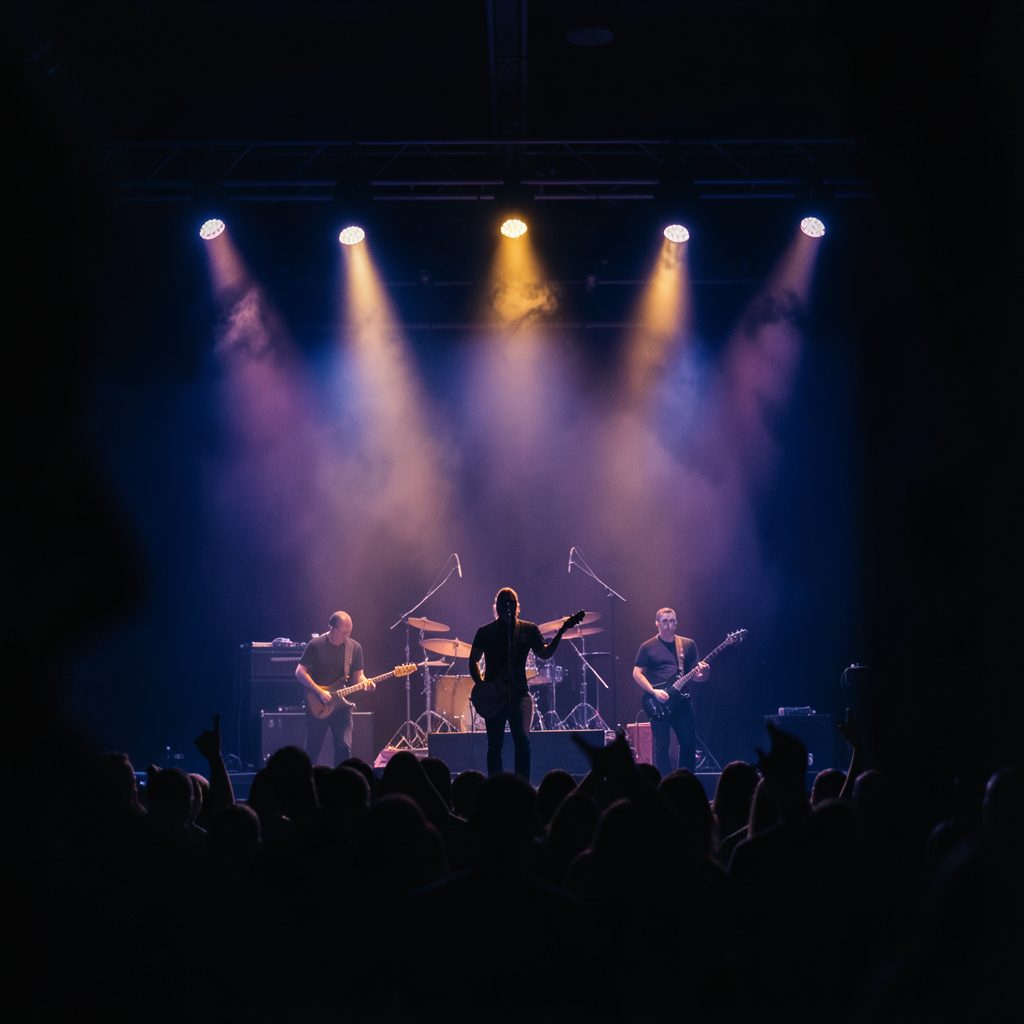
No two venues felt exactly alike. Room size, stage layout, lighting, acoustics, and crowd placement could change the personality of a song. We had to listen closely during soundcheck and adjust without losing the power that makes a Saving Abel performance feel like our own.
The backstage experience mattered as well. Some rooms offered quiet spaces to focus, while others became gathering places for musicians and crew. We even documented our favorite green room, because those unexpected details became part of the tour memory.
Fans Give Songs A New Meaning
A recording belongs to the band, but a live song belongs to everyone in the room. We saw fans sing along to familiar tracks, respond to deeper cuts, and bring their own memories to lyrics we had written years earlier. That connection gave every set a different emotional center.
Meeting people after shows made the experience even more personal. Conversations, photographs, and stories reminded us that music can become part of someone’s life in ways an artist cannot predict. Fan support was not background noise; it was a driving force behind the journey.
| Tour reality | What we expected | What we learned |
|---|---|---|
| Travel days | Time to relax between shows | Rest must be planned and protected |
| New venues | A similar setup everywhere | Flexibility improves every performance |
| Merchandise | A useful addition to the show | It creates another point of connection |
| Fan meetings | Quick conversations | Personal stories stay with us |
| Setlists | A fixed performance plan | The room can guide the night |
Preparation Creates Freedom Onstage
Rehearsal was more valuable than we understood before leaving home. Knowing the arrangements, transitions, and backup plans gave us the freedom to respond to the crowd instead of worrying about the next technical detail.
We also learned that preparation has to include the unexpected. Strings break, microphones fail, schedules shift, and weather can change a travel day. The strongest response is calm communication and enough familiarity with the music to keep moving.
A Setlist Has To Breathe
A good setlist is more than a sequence of popular songs. It needs movement, contrast, and moments that allow both the band and the audience to reset. Building that flow became an ongoing process as we observed how different crowds reacted from the opening track to the final song.
We paid closer attention to pacing, too. A powerful performance depends on knowing when to push forward and when to leave space. The best nights felt alive because the set had structure without becoming rigid.
Touring Strengthens The Team
Life on the road magnifies every habit. Organization becomes visible, communication becomes essential, and small disagreements can feel larger after a long drive. We learned to solve problems directly, share responsibilities, and keep the larger purpose in view.
That teamwork extended beyond the musicians. Crew members, venue staff, promoters, photographers, and merchandise support all helped shape the experience. A successful show is built by many people, and respecting that work made us a better touring band.
Lessons We Carry Forward
The first national run gave us practical habits that will guide upcoming performances and projects:
- Build realistic travel schedules with room for delays.
- Protect soundcheck, rest, and vocal preparation.
- Keep the setlist flexible enough to fit each crowd.
- Treat fan conversations as part of the live experience.
- Document the people and places that make each tour distinctive.
We also came home with a clearer sense of what listeners want from us: honesty, energy, strong songs, and a genuine connection from the stage. Those lessons will influence future shows, new recordings, merchandise, and the stories we share with the Saving Abel community.
The road taught us that a tour is measured in more than miles or ticket counts. It is measured in voices joining a chorus, friendships formed after a show, and the confidence that grows when a band learns to meet every new room with purpose. Follow Saving Abel’s latest tour news, photos, and recording updates through the official website, and join us for the next chapter onstage.