How We Choose Which Songs to Play at Each Show
Every Saving Abel show begins with the same challenge: build a set that feels familiar, energetic, and right for the room. A great performance is more than a collection of popular songs. It is a conversation between the band, the audience, the venue, and the moment.
Our setlists change because every night has its own personality. A festival crowd may want immediate impact, while an intimate club can make space for deeper cuts, stories, and songs that breathe differently when people are standing just a few feet away.
The goal is to create a complete live experience. We want the opening song to pull people in, the middle of the set to keep the momentum moving, and the final moments to leave everyone wanting another chorus.
Reading The Room Before The First Note
The venue tells us a great deal about how to shape a show. Room size, stage layout, event format, and the expected audience all influence our choices. A large outdoor crowd may respond best to bold hooks and big transitions, while a smaller venue allows more flexibility and emotional detail.
We also pay attention to the people arriving at the show. Are they longtime fans who know every lyric, or are they discovering us for the first time? The strongest set usually serves both groups by combining recognizable singles with songs that reveal another side of the band.
That balance is one reason we enjoy changing the running order. As we explain in our piece about playing smaller clubs, an intimate room can create a different kind of connection, and the setlist should support that closeness.
Building A Set With Momentum
Song order matters as much as song selection. We consider tempo, tuning, vocal intensity, and the emotional direction of each transition. A powerful opener needs to establish confidence quickly, but the next song should keep the energy alive rather than simply repeat the same impact.
We often place a familiar anthem near the beginning to bring the audience into the performance. From there, the set can move through heavier material, reflective moments, and songs that invite a full-room singalong. The sequence should feel natural, even when the styles and moods shift.
The final stretch receives special attention. Closing songs need to carry enough energy for the last push while giving the audience a memorable sendoff. Sometimes the obvious choice is perfect; other times, a less expected track creates the strongest ending.
Balancing Fan Favorites And Deeper Cuts
Popular songs are essential because they create shared moments. When an entire crowd recognizes the opening guitar part or sings the chorus without prompting, that connection becomes part of the performance. Those songs often form the foundation of a live set.
Deeper cuts matter too. They reward dedicated listeners and give us room to explore parts of our catalog that may not receive the same radio attention. Including them keeps the show from feeling predictable and lets longtime fans hear something they may not have expected.
We also consider how songs have changed over time. A track that felt fast and aggressive in the studio may become more spacious onstage, while another may gain extra punch from the live arrangement. The best setlist reflects those discoveries.
What Shapes A Night’s Setlist
| Factor | How It Influences The Show |
|---|---|
| Venue size | Determines how much space, volume, and audience interaction the performance can carry |
| Event type | Festivals, headline dates, and special appearances each require a different pace |
| Audience familiarity | Helps us balance major songs with deeper catalog choices |
| Set length | Decides how many musical chapters the show can include |
| Recent releases | Creates room for new material while keeping the classic songs present |
| Band energy | Affects difficult transitions, extended moments, and the overall pacing |
A setlist is also shaped by practical details. Support slots may require a compact, high-impact performance, while a headline show gives us more time to stretch out. Travel schedules, production changes, and shared bills can influence the final arrangement as well.
Even with a plan, we leave room for instinct. A song may feel especially right on a particular night, or the response to an earlier moment may encourage us to adjust the energy later in the set.
Recommendations For A Strong Live Mix
When we prepare a performance, these principles help keep the song choices focused and flexible:
- Open with a track that establishes the band’s sound immediately.
- Mix well-known songs with deeper cuts throughout the set.
- Use tempo changes to create movement instead of relying on volume alone.
- Reserve space for audience interaction and unexpected live moments.
- Choose a closing song that feels emotionally complete and physically exciting.
These choices are guidelines rather than strict rules. The best concerts leave enough structure to feel intentional and enough freedom to feel alive. That balance allows a familiar song to sound fresh and gives the audience a role in shaping the night.
Letting The Audience Become Part Of It
Crowd response can influence future setlists in meaningful ways. We notice which songs inspire the loudest singing, where people move closer to the stage, and which moments continue to resonate after the show. Those details help us understand how the catalog works in different settings.
Fan activity, messages, event photos, and conversations after performances also matter. They show us which songs people want to hear again and which unexpected choices made a lasting impression. A setlist is never created in isolation; it grows from the relationship between the band and the people who keep showing up.
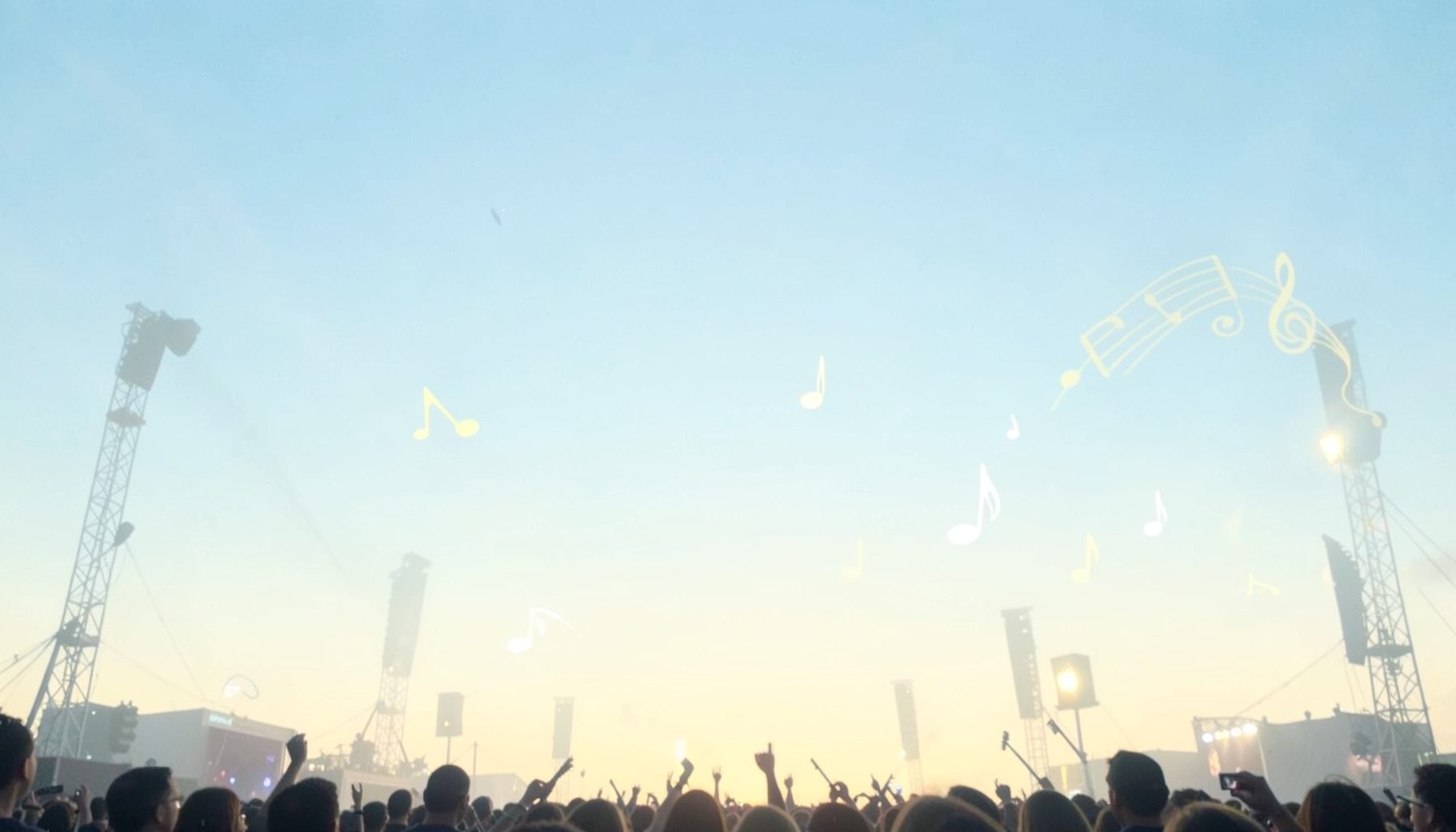
That relationship keeps live music exciting. We may know the chords and lyrics, but every audience changes the atmosphere. The same song can feel urgent in one city, reflective in another, and completely different when played under a festival sky.
Follow The Next Live Chapter
Keep up with Saving Abel through the official site for tour dates, band news, event photos, music updates, and announcements about upcoming projects. Check the latest schedule, make plans to see us live, and bring your voice to the next setlist we build together.