The making of our first music video: a throwback
Before the tour buses, packed venues, and years of new music, there was a song, a camera, and a band learning how to translate its sound into images. Making our first music video felt like stepping into unfamiliar territory while carrying the same energy we brought to the stage.
The early video era captured a moment when Saving Abel was still finding its visual identity. We had the riffs, the live intensity, and the stories behind the songs. The challenge was turning all of that into a short film fans could watch again and again.
The song came first
The track had already taken on a life of its own before the cameras arrived. In rehearsal, we focused on the rhythm, the vocal delivery, and the details that made the recording feel immediate. The music video had to preserve that sense of movement rather than make the song feel overly polished or distant.
Our goal was simple: create a visual companion that felt honest. We wanted the performance scenes to look like the band people would see at a live show, with the same rough edges, volume, and urgency. That approach helped keep the video connected to our roots.
Turning a rough idea into a real set
Music video production sounded glamorous from the outside, but the reality involved long setups, repeated takes, lighting changes, and plenty of waiting. A small creative idea could require an entire afternoon to arrange. Every camera position and background detail had to support the mood of the song.
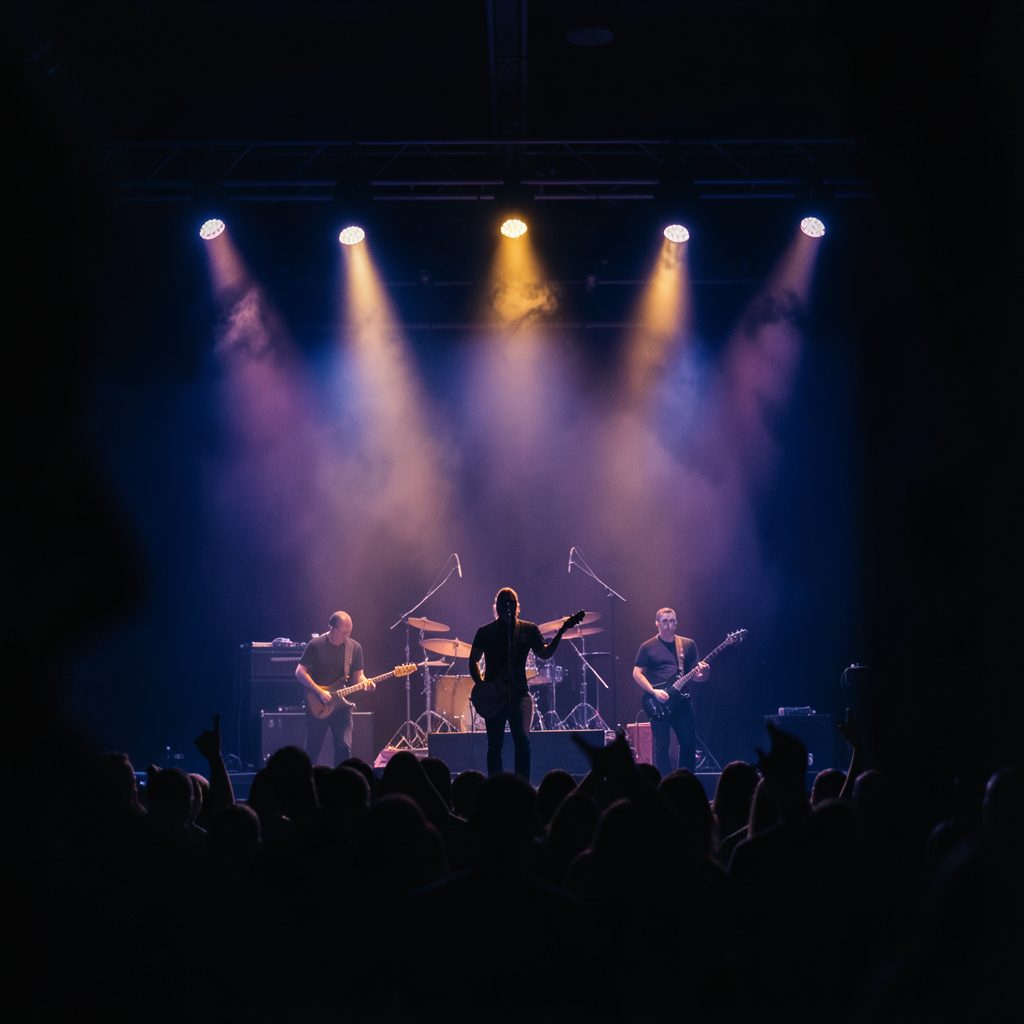
The set also became a temporary version of our world. Guitars, amplifiers, cables, shadows, and stage lights created a familiar atmosphere. We were not trying to look like someone else. We were building a visual language around the sound we already knew.
Capturing the band in motion
Performance footage was at the heart of the shoot. Playing the same section repeatedly for different camera angles tested our patience, especially when the instinct was to perform the song from beginning to end. Still, those repeated takes gave the director options and helped the final cut feel alive.
The best moments often happened between carefully planned shots. A glance across the room, a change in posture, or a spontaneous burst of energy could say as much as a choreographed scene. Those details gave the video its personality and made it feel closer to a concert than a studio exercise.
| Part of the production | What it added to the video |
|---|---|
| Live performance takes | Energy, movement, and a direct connection to the song |
| Lighting and shadows | A raw rock atmosphere and stronger visual contrast |
| Close-up shots | Emotion and focus on the musicians |
| Multiple camera angles | Variety during the edit and a faster visual pace |
| Behind-the-scenes teamwork | The practical foundation behind the finished clip |
Finding the right visual identity
A first music video can shape how audiences imagine a band. We wanted ours to reflect the balance at the center of Saving Abel: powerful rock music with personal lyrics and a grounded, approachable spirit. The visuals needed attitude, but they also needed to feel believable.
That meant resisting anything that distracted from the music. The band, the instruments, and the performance remained central. Instead of relying on elaborate effects, we leaned into atmosphere, expression, and the chemistry that comes from playing together for years.
The details fans still remember
Looking back, the charm of that first video comes from its imperfections. The styling, camera movement, and production choices belong to a specific time, but they also preserve the excitement of a band reaching a wider audience. It is a snapshot of ambition before everything became familiar.
Fans often notice details we barely thought about during the shoot. A particular guitar movement, a dramatic lighting change, or the way a chorus was edited can become part of the memory. That is the special quality of music videos: they give a song a visual history that grows with every replay.
Keep the story playing
For anyone revisiting that early chapter, a few details are worth watching closely:
- Notice how the performance scenes mirror the intensity of a live Saving Abel show.
- Listen for the moments where the editing follows the guitar and drum patterns.
- Look for the small expressions and movements between the larger shots.
- Compare the visual style with the band’s later videos and live photography.
- Share the clip with someone who remembers the first wave of the music.
That first video was more than a promotional project. It was evidence that the songs were moving beyond rehearsal rooms and local stages, reaching people who connected with the lyrics and the sound. The footage still carries the excitement of that transition.
Visit Saving Abel’s official website to explore band news, music, tour dates, event photos, merchandise, and updates on the next chapter. Then revisit the early video, turn up the volume, and keep the memories of where the music began in motion.