The gear behind Saving Abel’s recorded and live sound
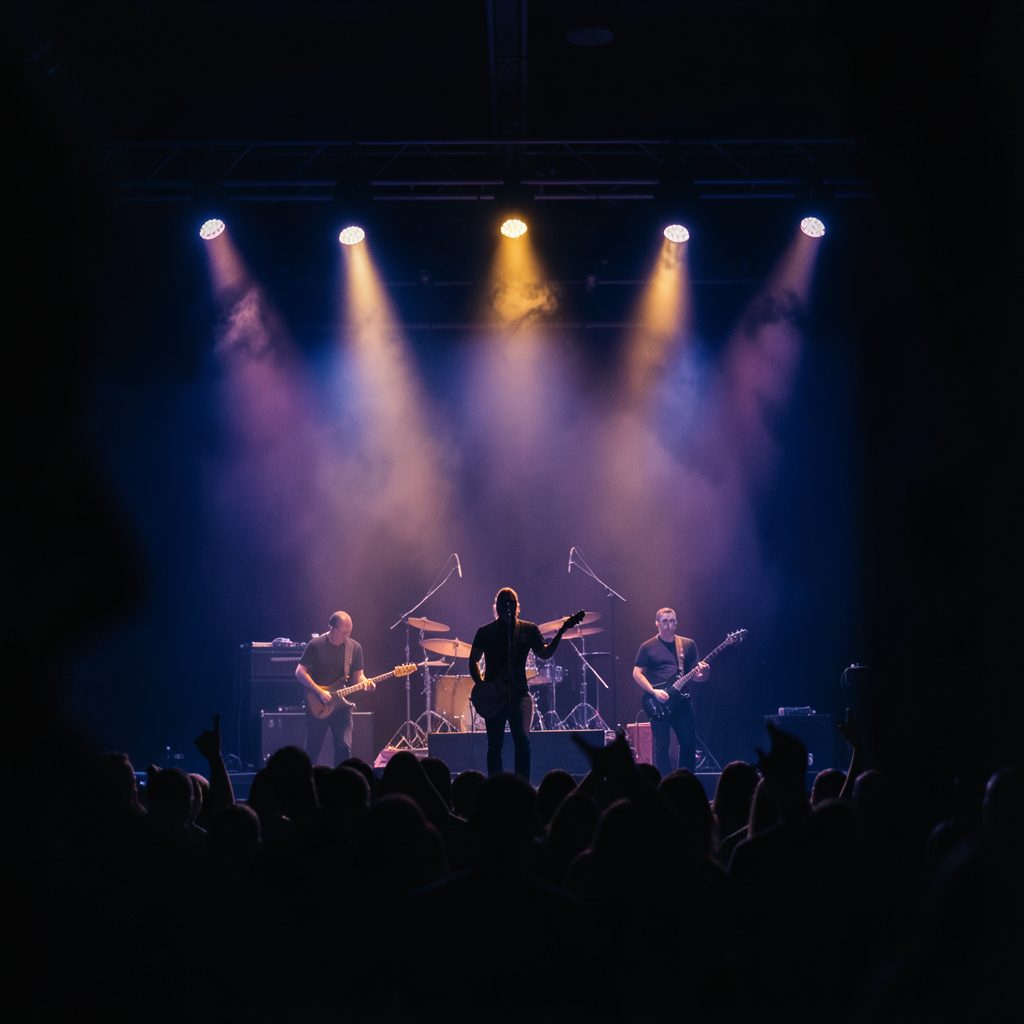
Every version of a rock song begins with the same goal: make the emotion reach the listener. The tools change depending on where that song is being played. In a recording studio, we can focus on detail, separation, and the small textures that reward repeated listening. Onstage, the setup has to be dependable, powerful, and ready to move with the energy of the room.
Our recording equipment and live rig are connected by the same musical instincts, but they serve different purposes. Studio sessions give us time to shape tones carefully, while a concert demands quick response, clear monitoring, and equipment that can handle the pace of a full set.
Recording starts with the song
Before microphones, amplifiers, or plug-ins enter the picture, we arrange the song around its strongest parts. Guitars need to support the vocal rather than crowd it, and the rhythm section has to create a foundation that feels tight without becoming mechanical. That preparation helps every later production decision feel intentional.
For recorded tracks, we often think in layers. A rhythm guitar may establish the main character, while additional parts add width, movement, or emphasis around a chorus. Bass fills the center of the mix, drums provide impact, and vocals receive enough space to carry the story.
The studio signal chain
Recording allows us to experiment with different guitar cabinets, microphone positions, preamps, and amplifier settings. A small change in mic placement can bring out more attack, warmth, or room ambience without changing the performance itself. That level of control is one of the biggest differences between studio work and a live show.
The same approach applies to vocals and drums. Clean gain staging keeps the original performance strong before processing, while compression, equalization, and reverb help the finished track sit together. We may use digital tools for precision, but the source sound still matters most.
From control room to stage
A studio mix can contain many carefully balanced elements, but a live arrangement must translate through a large PA system and changing acoustics. We simplify where necessary and prioritize the parts the audience needs to feel immediately: the groove, the vocal hook, and the guitar impact.
| Element | Recording setup | Live setup |
|---|---|---|
| Guitar tone | Layered amps, cabinets, microphones, and modeled sounds | Reliable amp and cabinet or direct rig with consistent output |
| Drums | Multiple close mics, overheads, room mics, and editing options | Focused microphone package built for volume and fast changeovers |
| Vocals | Detailed studio microphone and controlled room | Durable vocal microphone with clear stage monitoring |
| Monitoring | Studio monitors and headphones for fine detail | In-ear monitors or wedges for timing and pitch |
| Signal control | Extensive editing, mixing, and automation | Streamlined routing with dependable gain structure |
The difference is also physical. In the studio, a cable can be rerouted or a microphone changed between takes. At a venue, every connection, stand, pedal, and monitor position has to work under pressure. Our show preparation routine helps turn that complexity into a repeatable process.
A live rig built for movement
For concerts, consistency is essential. Guitar tones must remain recognizable from the first song to the encore, even when the venue changes from a theater to an outdoor stage. We favor practical equipment choices that let us move quickly between clean, driven, and high-gain sounds without interrupting the performance.
Pedalboards are arranged for visibility and access, with backup cables, power supplies, and essential tools close at hand. Drums and cymbals are selected for projection as well as feel, while microphones are positioned to capture force without creating unnecessary stage noise.
Monitoring keeps the band together
A powerful front-of-house mix means little if the musicians cannot hear the details they need. In-ear monitoring can provide a focused blend of vocals, instruments, and count-ins, while wedges offer a more open stage feel. The right choice depends on the venue, the production setup, and what helps each player perform naturally.
Wireless systems can add freedom, but reliability comes first. Batteries are checked, frequencies are coordinated, and spare solutions stay nearby. A great live rig is less about collecting equipment and more about creating confidence in every transition.
Choices that keep us ready
The best recording and performance gear shares a few qualities: it responds well, survives regular use, and supports the music instead of distracting from it. We choose tools that can deliver character when we want it and consistency when we need it.
Useful principles guide both the studio and the road:
- Choose tone at the source before relying on heavy processing.
- Keep live signal paths simple enough to troubleshoot quickly.
- Carry backups for cables, power, strings, picks, and other essentials.
- Test monitoring levels before the first song begins.
- Match equipment decisions to the room, arrangement, and performance.
Take the sound to the room
Recording lets us preserve a detailed version of a song, while live equipment helps that song breathe in front of an audience. The best results come when both setups respect the character of the band: strong guitars, a committed rhythm section, and vocals that stay connected to the people in the room.
Follow Saving Abel’s latest news, tour dates, photos, music, and upcoming projects through the official site, then join us at a live show to hear how the recorded sound transforms onstage.