The first time we heard our song on the radio
There is a particular kind of silence that happens when a familiar song comes through an unfamiliar speaker. For a band, the first radio play is more than a professional milestone. It is the moment a private recording leaves the studio, travels across town, and enters the lives of people who were never in the room when it was made.
For Saving Abel, that feeling belongs to every late-night rehearsal, long drive, packed venue, and uncertain decision that came before the broadcast. Hearing our own voices between someone else’s favorite songs made the distance between writing music and reaching an audience feel suddenly very small.
Radio airplay also gave the song a life beyond the people who already knew the band. A listener could discover a chorus without seeing a poster, visiting a show, or following a social feed. The song simply arrived, carried by a signal.
The room changed in an instant
The first reaction was disbelief. We knew the recording intimately: every guitar entrance, drum fill, vocal breath, and small production detail. Yet hearing it through a radio made it feel newly created. The sound was no longer something we were evaluating; it was something we were experiencing alongside everyone else.
There was excitement, but there was also a strange vulnerability. A finished track can feel protected inside a studio or on a hard drive. Once it reaches the airwaves, it belongs to the listener. People bring their own memories, moods, and meanings to it, and that is where a song begins its real journey.
Before the signal reached us
The broadcast was built on months of work that rarely sounds dramatic from the outside. Songwriting sessions became arrangements, arrangements became demos, and demos became repeated takes. We listened for the strongest hook, the right balance between weight and melody, and the details that would survive outside a pair of studio monitors.
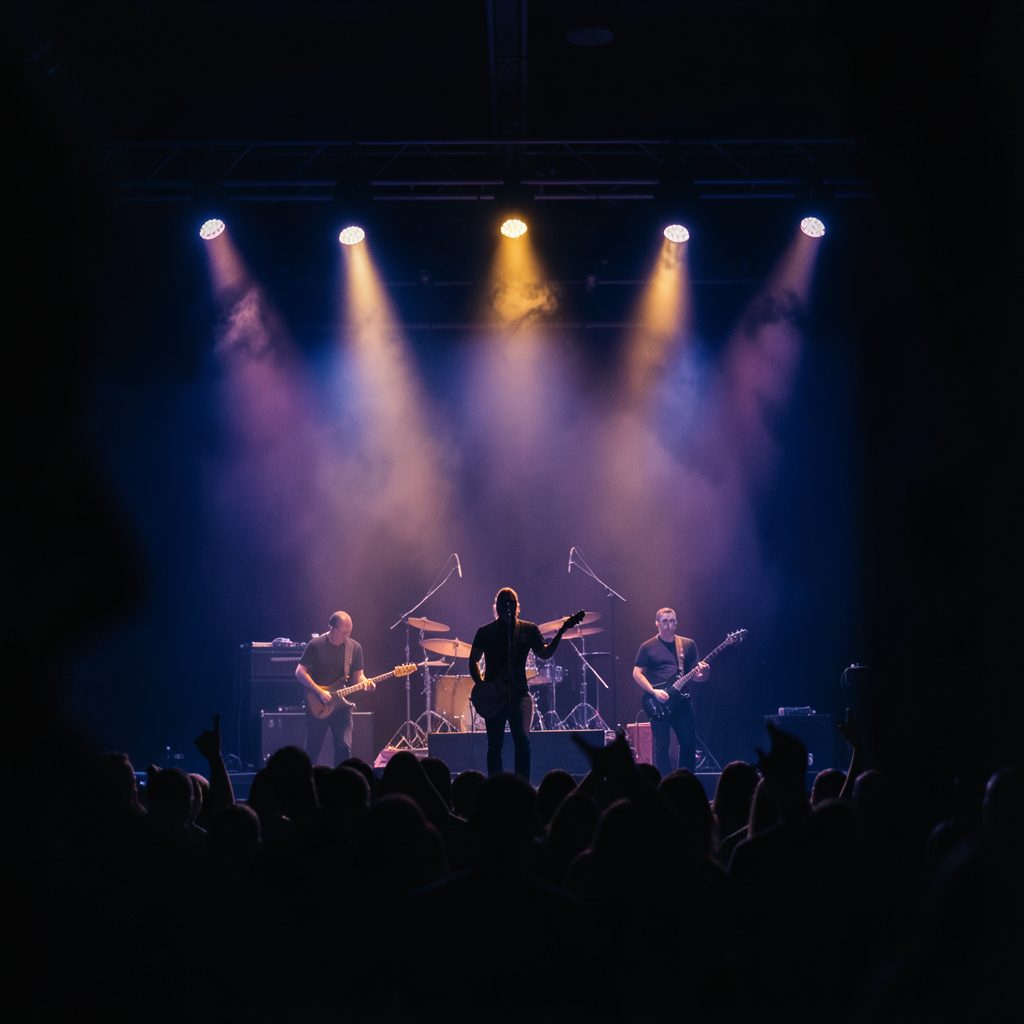
Touring added another layer to the process. Songs changed when they met a live crowd. A line that felt quiet in rehearsal might become the emotional center of a room, while a heavy section could demand more space. That feedback helped shape how we understood the track before it ever reached a radio station.
What the first broadcast meant
Radio gave the song a kind of public life that felt immediate and personal. It could appear during a morning commute, in a workplace, at a friend’s house, or on a road trip far from home. Each setting added a different frame to the same recording.
| Moment | What we felt | What it created |
|---|---|---|
| Hearing the opening notes | Recognition and surprise | A memory we could return to |
| Waiting for the chorus | Nervous anticipation | A deeper connection to the arrangement |
| Receiving listener reactions | Gratitude and curiosity | A wider sense of community |
| Playing the song live afterward | Energy and confidence | A stronger bond with the audience |
The first airplay also changed how we approached live performances. We could hear which moments people anticipated and which lyrics they already knew. That exchange between broadcast and concert made the song feel larger without losing the personal meaning it had when we first wrote it.
When a recording becomes a memory
A radio version is often polished and carefully arranged, while a live performance breathes differently. Tempo can shift, vocals can stretch, and the crowd becomes part of the rhythm. That contrast keeps a familiar song alive for the musicians as well as the audience.
For listeners who enjoy hearing the roots of a track, an acoustic set can reveal another side of the writing. Without the full electric volume, the melody, lyric, and emotional shape move closer to the surface.
The part we remember most
The broadcast itself lasted only a few minutes, but the memory has never felt brief. We remember the setting, the reaction in the room, and the strange feeling of hearing something we had carried for so long become part of the outside world.
We also remember the people who made that moment possible: listeners who called a station, requested the song, shared it with friends, bought a ticket, or showed up early at a venue. Airplay may introduce a song, but fans give it endurance.
Keep the signal alive
Music continues to travel through radio, streaming services, concert halls, playlists, and personal recommendations. Every format creates a new opportunity for a song to meet someone at exactly the right time.
- Follow band news and upcoming recording updates.
- Check tour dates for a chance to hear the songs live.
- Explore official releases and acoustic performances.
- Share a favorite track with someone discovering Saving Abel for the first time.
The first time we heard our song on the radio remains unforgettable because it connected the work behind the music with the people waiting to hear it. Find the latest songs, live dates, photos, and band updates through Saving Abel’s official channels, and keep the next song moving from our room to yours.