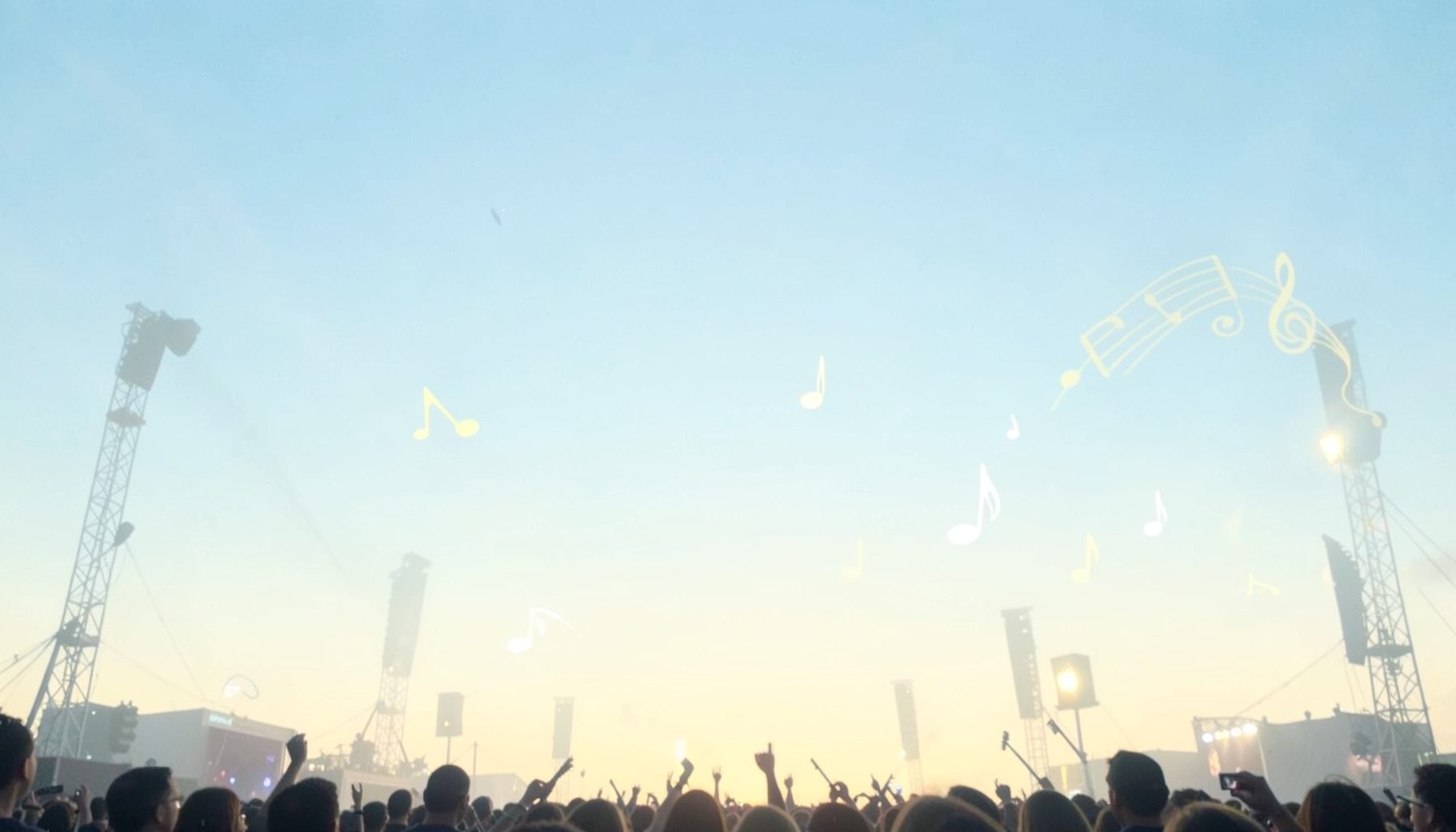
Why we love playing smaller clubs as much as big arenas
A packed arena creates an unforgettable rush. Thousands of voices rise together, the lights stretch across the room, and every song feels larger than life. For a rock band, that scale brings a powerful sense of occasion.
Smaller clubs create a different kind of electricity. The stage may be closer to the floor, the room may hold only a few hundred people, and every face is visible. That intimacy gives the performance its own intensity, making each night personal, immediate, and impossible to duplicate.
For Saving Abel, both settings matter. Big venues bring spectacle and shared momentum, while clubs keep us close to the raw connection that first made live music feel essential.
The room changes the way we play
In an arena, a song has to travel. We lean into strong melodies, wide dynamics, and a clear rhythm that can reach the back rows. The sound rolls outward, and the audience becomes part of something enormous.
A club responds differently. Small changes in a guitar line, a drum fill, or a vocal phrase can shift the mood instantly. We can hear the crowd between lines and feel the reaction move through the room. That closeness encourages spontaneity and makes the set feel conversational.
A direct line to the crowd
Smaller venues bring fans and musicians into the same shared space. There is less distance between the stage and the audience, so eye contact carries real weight. A familiar lyric can turn into a grin, a raised hand, or a full-room singalong within seconds.
That connection works both ways. Fans can see the details of a performance, while we can sense which songs are landing most strongly. The response helps shape the night, and a set can develop its own character instead of feeling exactly like the previous show.
Every venue tests a different skill
Large arenas demand precision. Timing, lighting, staging, and volume must work together so that the performance feels focused from every seat. The scale rewards preparation and a strong understanding of how to build a memorable rock show.
Clubs demand adaptability. The room may have an unusual layout, a low ceiling, or a crowd standing only a few feet away. We have to stay alert, trust the band, and let the energy develop naturally. That challenge keeps live performance exciting.
| Setting | What it brings | What it asks from the band |
|---|---|---|
| Smaller club | Intimacy, immediacy, and direct crowd interaction | Flexibility and personal connection |
| Theater | Focused sound and a shared listening experience | Detail and dynamic control |
| Big arena | Scale, spectacle, and collective energy | Precision and broad musical impact |
The songs live differently
A familiar track can feel transformed when played in a compact room. The guitars seem closer, the vocals feel more exposed, and the audience’s response becomes part of the arrangement. Quieter passages can carry surprising force because everyone is listening from nearby.
An arena gives those same songs room to expand. The opening riff can trigger a response across thousands of people, while a chorus can become a communal release. Fans who want to revisit the music between shows can explore the band’s official music collection, where the recorded versions continue that connection.
What fans can expect at either scale
The venue may change, but the commitment does not. Every performance deserves the same focus, whether we are stepping onto a wide festival stage or squeezing into a low-ceilinged club. We want the crowd to leave feeling that the show was made for that room.
That means preserving the emotion behind the songs while allowing the setting to guide the presentation. A club set might feel rougher and more immediate; an arena set might feel expansive and cinematic. Both can carry the grit, melody, and honest energy that define a Saving Abel performance.
Why the smallest rooms stay with us
There is something special about looking across a club and recognizing the people singing every word. Some fans may have followed the band for years, while others may be hearing us live for the first time. In a close room, those different experiences meet without a barrier.
Small clubs also remind us where live rock gets its heartbeat. They encourage discovery, reward loyal fans, and give musicians space to take chances. The evening feels shared rather than presented, and that feeling can stay with us long after the final note.
Bring the live experience closer
- Watch the tour calendar for upcoming club dates and larger shows.
- Arrive early to experience the room as it fills and the energy begins to build.
- Sing along, share the moment, and help make each venue part of the story.
- Follow band updates for new recordings, events, and fan activities.
Whether the next stop is an intimate club or a roaring arena, we are ready to meet the crowd where the music feels strongest. Check the latest band news and live dates, choose a show, and be part of the night when Saving Abel brings the songs to your city.