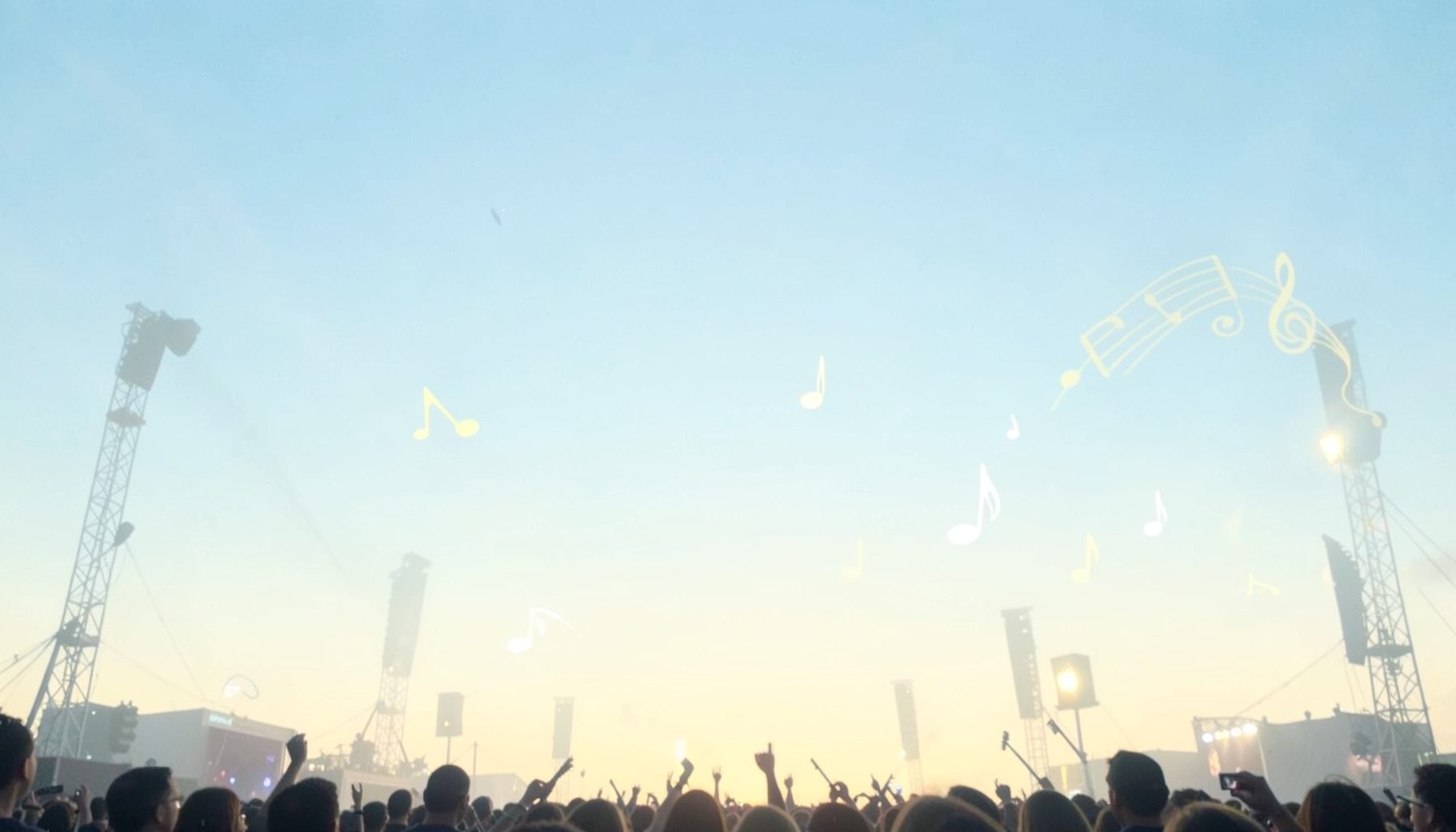
How we rehearse for a new tour: from garage to stage
A new tour begins long before the first load-in, soundcheck, or opening note. For Saving Abel, the process starts with a room, a set of instruments, and the shared goal of turning familiar songs into a powerful live experience.
Rehearsals give us space to rebuild the set from the ground up. We revisit the songs, test transitions, tighten arrangements, and make sure every member can respond instinctively when the lights come on. The goal is not to make a performance feel overly rehearsed. It is to make the band feel ready for anything.
That preparation moves through several stages, from stripped-down practice to full production work. Each step helps us carry the energy of the garage onto a much bigger stage while keeping the connection with fans at the center of every show.
Starting with the songs
The first sessions focus on the foundation: guitars, bass, drums, vocals, and the arrangements that make each song work live. We listen for the parts that drive the crowd forward and identify moments that need extra space, weight, or intensity.
A studio recording is a snapshot, while a concert set has to breathe across an entire evening. Some songs may receive longer endings, sharper transitions, or fresh dynamics. We also consider how the set flows from the opening track through the final encore.
Building the live set
Choosing the running order is one of the most important parts of tour preparation. A strong set balances recognizable favorites with deeper cuts and gives the audience different levels of energy throughout the performance.
We look closely at pacing. Heavy songs need room to land, while quieter moments can create contrast before the next surge. Vocal endurance, tuning changes, guitar swaps, and drum transitions all matter as we shape a seamless live show.
Moving from rehearsal room to stage
Once the arrangements feel solid, we expand the rehearsal environment. The band works through complete sets without stopping, practicing the same discipline required on tour. That means staying focused through technical issues, missed cues, and unexpected changes.
We also rehearse communication. Eye contact, count-ins, hand signals, and instinctive reactions help keep a performance together when the venue is loud or the stage setup changes. These details may be invisible to the audience, but they create confidence for the musicians.
| Rehearsal stage | Main focus | What it prepares us for |
|---|---|---|
| Song work | Arrangements, tempo, vocal parts | Consistent performances |
| Set building | Running order and transitions | A balanced concert |
| Full-band practice | Endurance and communication | Complete tour-length sets |
| Production rehearsal | Lights, cues, monitors, microphones | Venue and stage changes |
| Final run-through | Timing and reliability | Opening night |
Testing the sound
A great performance depends on more than playing the right notes. Monitor levels, microphone placement, guitar tones, drum balance, and wireless equipment all affect how the band communicates onstage.
During production rehearsals, we work with the crew to recreate the conditions of a real concert. We check monitor mixes, practice soundcheck routines, and make adjustments so every member can hear the details needed to perform confidently.
Keeping the garage spirit
Larger venues bring more equipment and more technical demands, but the heart of the music remains the same. The direct, loud, unfiltered feeling of a garage rehearsal is something we want to preserve in every room.
That means leaving space for honest emotion and live interaction. A concert should feel alive, not mechanical. Even when the arrangements are carefully prepared, there is room for extended guitar moments, crowd response, and the spontaneous energy that makes each night different.
The final run-through
The last rehearsals are about consistency. We play the complete show, check the timing between songs, and make sure everyone is prepared for the physical demands of a full tour schedule. We also revisit any section that feels uncertain rather than hoping it will solve itself on opening night.
By this point, preparation becomes trust. Each member knows the songs, the signals, and the shape of the set. That trust allows us to focus less on logistics and more on delivering a memorable performance to the people standing in front of the stage.
What fans can expect from a prepared show
- Familiar Saving Abel songs presented with fresh live energy
- A set designed to move naturally between heavier and more reflective moments
- Tight transitions supported by careful band and crew communication
- Room for spontaneous interaction and crowd-driven moments
- A professional performance that still feels immediate and personal
When the rehearsal room finally gives way to the stage, every hour of preparation has a purpose. The cables, count-ins, set lists, soundchecks, and late-night run-throughs all lead to the same moment: the first chord, the crowd responding, and the band fully locked into the night.
Follow the latest band news, check upcoming tour dates, view event photos, and stay connected through our official social channels. When we arrive in your city, bring your voice, find us at the show, and experience the songs with us in the room.