What It’s Like to Tour With Saving Abel: A Roadie’s Diary
A tour day with Saving Abel starts long before the first guitar chord. By the time the venue doors open, the crew has already unloaded cases, built the stage, checked cables, solved transportation problems, and prepared a working space that can survive a full night of rock and roll.
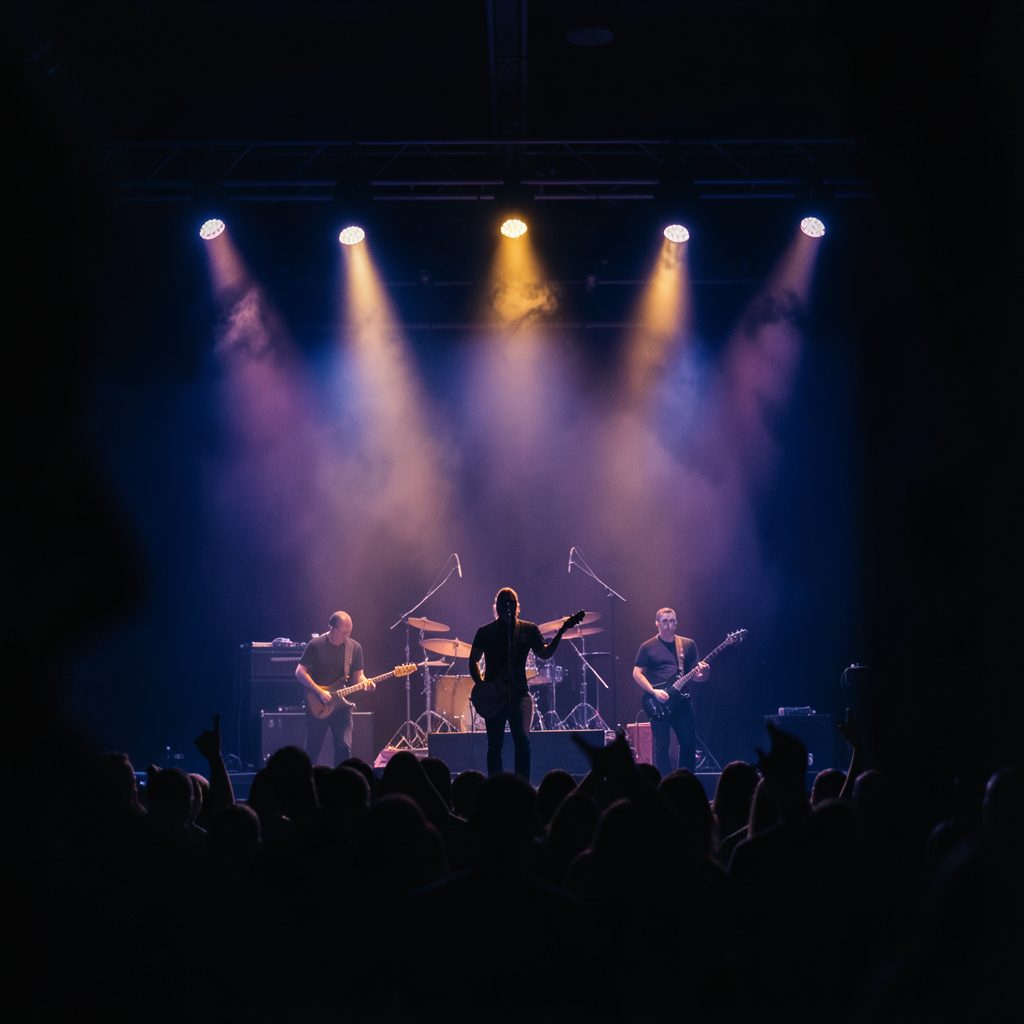
From a roadie’s perspective, touring is a moving routine built from small details. The audience sees the lights, the amplifiers, and the band’s energy. Behind the scenes, every performance depends on timing, communication, and the ability to stay calm when plans change.
The job also creates a close view of the band’s world. Between soundcheck and showtime, there are conversations about new songs, upcoming recordings, travel, merchandise, and the next city waiting beyond the highway.
Before The Venue Wakes Up
The first task is usually load-in. Cases roll across ramps, trucks are emptied in a carefully planned order, and the stage slowly changes from an empty platform into a working rock concert. Heavy lifting matters, but organization matters just as much. A missing cable or misplaced pedal can delay an entire setup.
While the crew works, the venue begins to wake up. Local staff prepare the room, promoters check schedules, and the merchandise area takes shape near the entrance. A roadie learns to recognize the rhythm of each building: narrow hallways, steep stairs, short parking windows, and stages that never seem quite the same twice.
Life Between Cities
Road travel has its own soundtrack: engine noise, playlist debates, convenience-store coffee, and long stretches of highway. The distance between shows gives everyone time to recover, but it also makes the schedule feel relentless. A late departure can affect lunch, soundcheck, doors, and the night’s final load-out.
The practical side of touring is measured in minutes. A crew member tracks arrival times, keeps equipment secure, and watches the weather. The official tour calendar helps fans plan their nights, while the people traveling with the band use it as a daily operating map.
| Tour moment | What the audience sees | What the road crew handles |
|---|---|---|
| Load-in | An empty venue | Cases, cables, risers, and equipment placement |
| Soundcheck | A quiet stage | Levels, monitors, instruments, and troubleshooting |
| Doors | Fans entering | Merchandise, backstage access, and final safety checks |
| Set time | A live rock performance | Quick fixes, communication, and stage support |
| Load-out | Staff leaving the room | Packing, inventory, transport, and departure |
Soundcheck Is The Real Test
Soundcheck is where a good night begins. The band runs through selected passages while the crew listens for balance, feedback, and technical problems. A guitar may sound perfect in one room and muddy in another, so adjustments happen constantly. The goal is to make the performance feel powerful from the first row to the back wall.
There is also an artistic side to the preparation. Hearing familiar songs develop in different venues reveals how much a live arrangement depends on space and audience response. Fans can catch glimpses of that energy through Saving Abel’s videos, where performance footage and band updates offer a window into the group beyond the stage.
When The House Lights Go Down
The minutes before the show carry a special kind of pressure. The crew checks wireless systems, confirms set details, clears the stage, and makes sure every person knows where to be. Once the house lights fade, preparation gives way to instinct.
From the wings, the performance looks both familiar and unpredictable. A crowd may sing louder than expected, a monitor may need attention, or a last-minute change may require instant communication. The roadie’s work is mostly invisible when it goes well, but that invisibility is part of the craft.
After The Last Song
When the final note ends, the night is only halfway finished for the crew. Instruments are secured, microphones are wrapped, cables are coiled, and cases are returned to the correct truck position. Everyone is tired, yet the work has to remain precise because one damaged item can affect the next show.
The quiet after a concert feels different from the quiet before it. Fans leave with memories and photos, while the touring team reduces the whole evening to labeled cases and an updated checklist. Then the venue doors close, the truck is loaded, and the next destination takes over.
Habits That Keep A Tour Moving
A reliable roadie develops routines that protect both equipment and energy. These habits are useful whether the tour is a small club run, a festival schedule, or a longer series of headline performances.
- Label every case, cable, and power supply before the first departure.
- Keep a small personal kit with tape, tools, chargers, and hearing protection.
- Build extra travel time into every venue arrival and departure.
- Communicate problems early instead of waiting for them to become emergencies.
- Treat rest, hydration, and hearing safety as part of the job.
Touring with Saving Abel is a blend of muscle, music, logistics, and trust. The memorable moments may happen under stage lights, but they are supported by hours of preparation that most people never see.
Follow the band’s official updates, watch for live dates, and explore the music and merchandise connected to the next run. For anyone who enjoys the work behind a concert, a roadie’s diary makes clear that every powerful show begins with a crew ready to roll.